
Key Highlights
- Flooding in western Rwanda has caused significant damage and displacement.
- Emergency responders are actively assisting affected communities.
- Authorities warn of potential for further flooding and landslides.
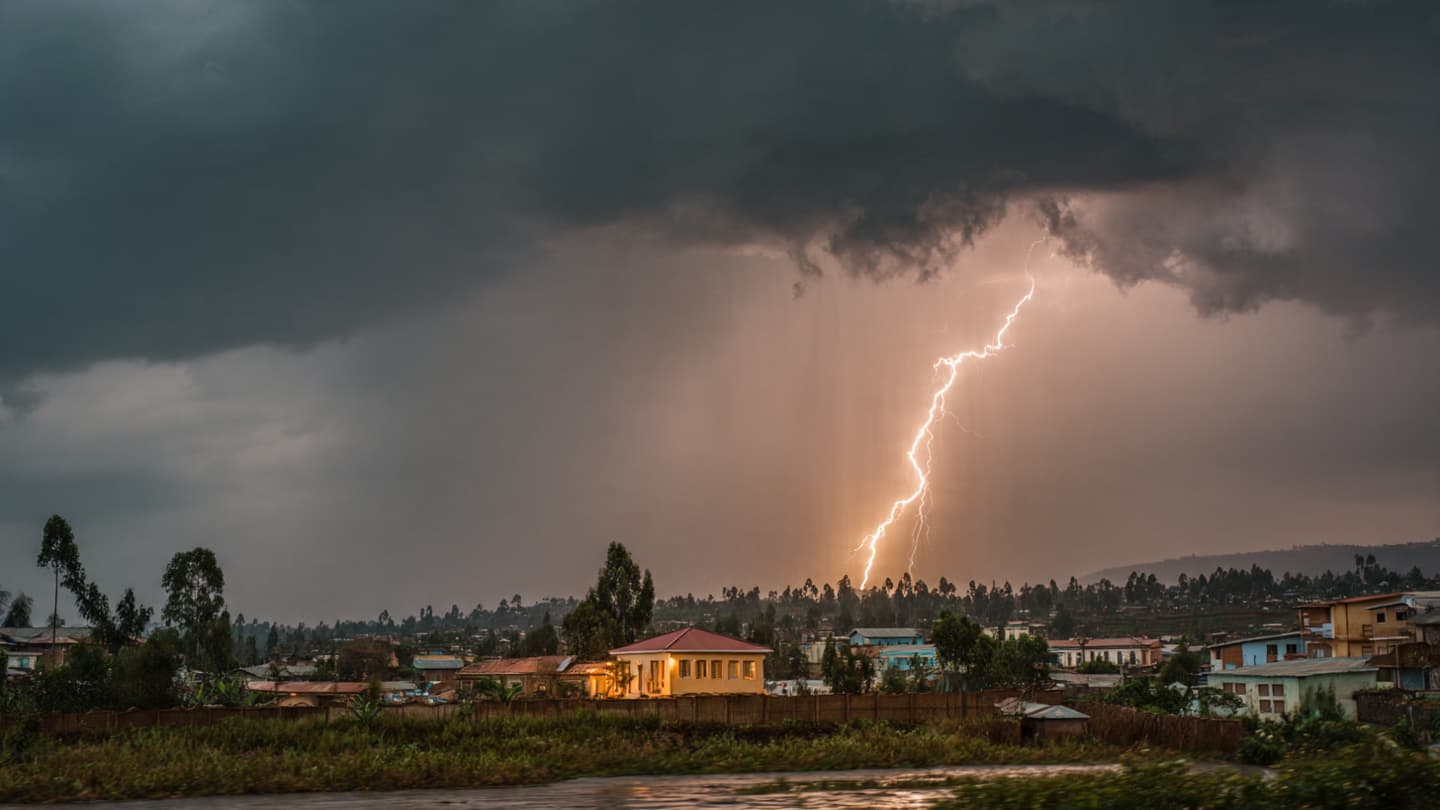
Heavy rains have settled across the hills of western Rwanda, transforming streams into dangerous currents that have devastated several villages. The persistent downpour has led to overflowing rivers and rising water levels, prompting emergency crews to respond to the urgent needs of affected communities. Reports of casualties, damaged homes, and displaced families have emerged as the situation continues to evolve.
Residents recounted harrowing experiences of waking before dawn to find fast-moving water entering their homes and sweeping through roads that connect remote villages. In many areas, bridges and smaller transportation routes became impassable as floodwaters carried away sections of infrastructure already weakened by the relentless rain. The impact of the flooding has been profound, with entire communities facing the loss of their homes and livelihoods.
Emergency responders have been working tirelessly to assist evacuations and coordinate temporary shelter operations for families displaced by the flooding. Schools, churches, and community buildings have been opened to provide refuge for those forced from their homes. Rescue teams are actively searching flood-affected areas for missing individuals, highlighting the urgency of the situation.
The landscape of western Rwanda, characterized by its beauty and fragility, has been dramatically altered by the recent weather events. Villages nestled between green slopes and narrow valleys are now at risk as the same hills that nourish farmland during ordinary seasons release water with sudden and devastating force. Authorities have warned that saturated soil conditions increase the likelihood of additional flooding and landslides in nearby regions, urging residents living near rivers and unstable slopes to remain vigilant.
As recovery efforts expand into isolated communities, medical teams and relief agencies are distributing emergency supplies, including food, blankets, and clean drinking water. Officials are also assessing damage to agricultural land and public infrastructure affected by the flooding, which could have long-term implications for the region's economy and food security.
By evening, emergency operations remained active across several western districts, with authorities confirming ongoing assessments of casualties and structural damage. Recovery and cleanup efforts are expected to continue under unstable weather conditions in the coming days, as the region grapples with the aftermath of this devastating natural disaster.
Published by Banx Network. This article is part of the Banx decentralized media programme, powered by the BXE token on the XRP Ledger.



