

Key Highlights
- Recent reports indicate multiple migrant bodies discovered along Libya's coastline.
- The ongoing migration crisis is fueled by conflict and economic hardship in migrants' home countries.
- Humanitarian organizations call for stronger international cooperation to address the crisis.
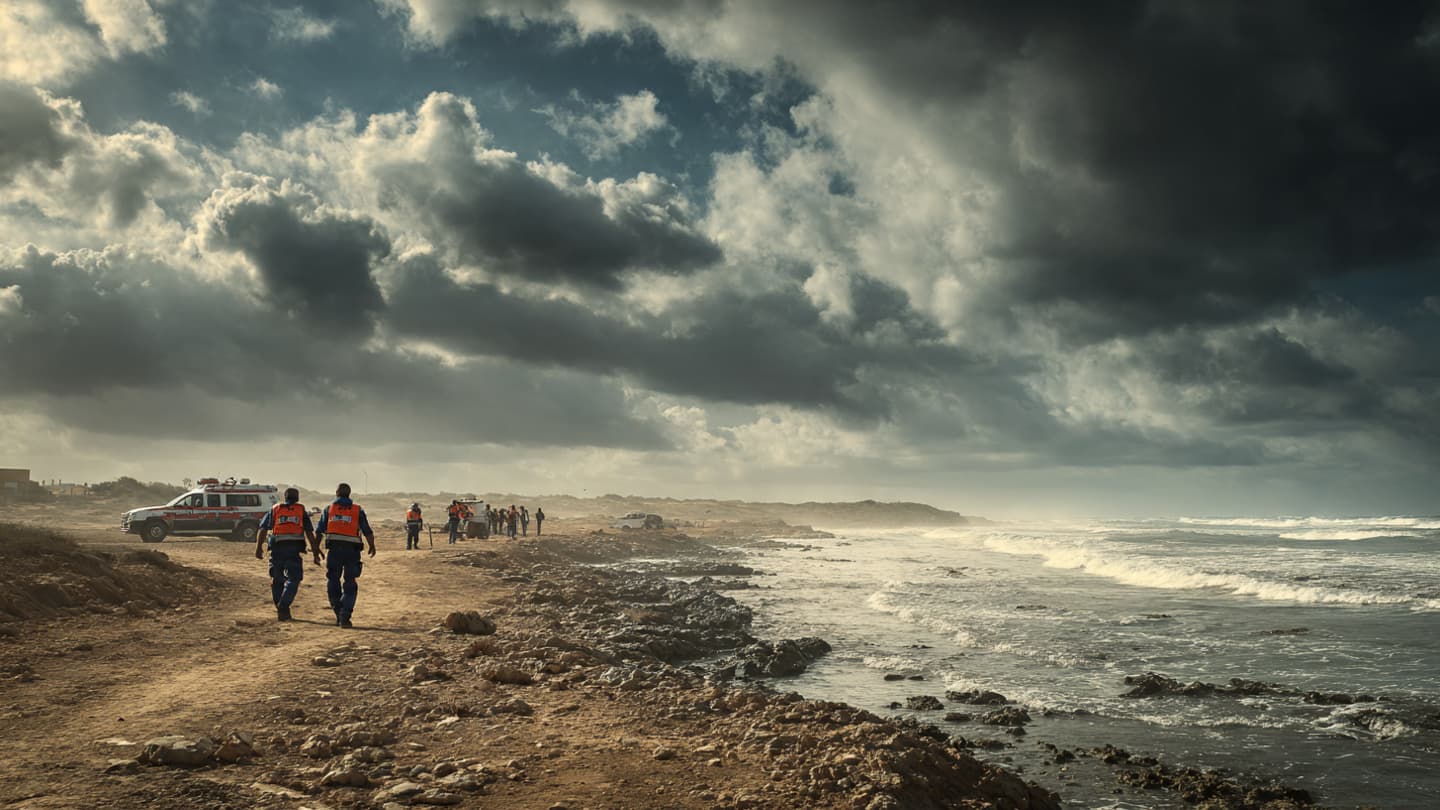
The Mediterranean Sea has long served as both a vital trade route and a tragic backdrop for countless migration stories. Recently, authorities in eastern Libya reported the grim discovery of multiple bodies washed ashore, underscoring the persistent dangers faced by migrants attempting to cross these perilous waters in search of safety and opportunity. This latest incident is a stark reminder of the ongoing migration crisis that continues to unfold along the Libyan coast.
Migration through North Africa is driven by a complex interplay of factors, including armed conflict, economic instability, and political turmoil in the migrants' countries of origin. Many individuals seeking a better life are forced to rely on smuggling networks, which often lead them to overcrowded and poorly equipped vessels. These boats are ill-prepared for the treacherous conditions of the Mediterranean, significantly increasing the risk of fatalities during the journey.
International organizations, including the International Organization for Migration (IOM), have repeatedly warned about the dangers associated with these crossings. Overcrowding, coupled with adverse weather conditions and limited rescue capabilities, exacerbates the already hazardous situation. The Mediterranean has become a graveyard for many, with reports indicating that thousands have lost their lives attempting to reach European shores.
Libya's strategic location makes it a focal point for migration routes across the Mediterranean. However, ongoing political fragmentation and security challenges have complicated efforts to manage migration effectively and combat human trafficking networks. The lack of a unified government and the presence of various armed groups have created an environment where migrants are often exploited and subjected to abuse.
Humanitarian agencies emphasize that the plight of migrants begins long before they reach the sea. Many face severe hardships, including exploitation, detention, and abuse, during their journey through North Africa. These conditions have drawn widespread international concern, prompting calls for urgent action to address the root causes of migration and improve the safety of those seeking refuge.
European governments remain divided over how to handle migration policy, border management, and responsibility-sharing mechanisms. These ongoing debates significantly influence regional responses to the increasing flow of migrants across the Mediterranean. The lack of consensus among European nations complicates efforts to provide adequate support and protection for those in need.
The recent discovery of migrant bodies along Libya's coastline serves as yet another somber reminder that the migration crisis remains unresolved. Humanitarian organizations continue to advocate for stronger international cooperation to address both the immediate risks faced by migrants and the underlying causes of displacement. Without concerted efforts to tackle these issues, the tragic loss of life in the Mediterranean is likely to persist.
Published by Banx Network. This article is part of the Banx decentralized media programme, powered by the BXE token on the XRP Ledger.




