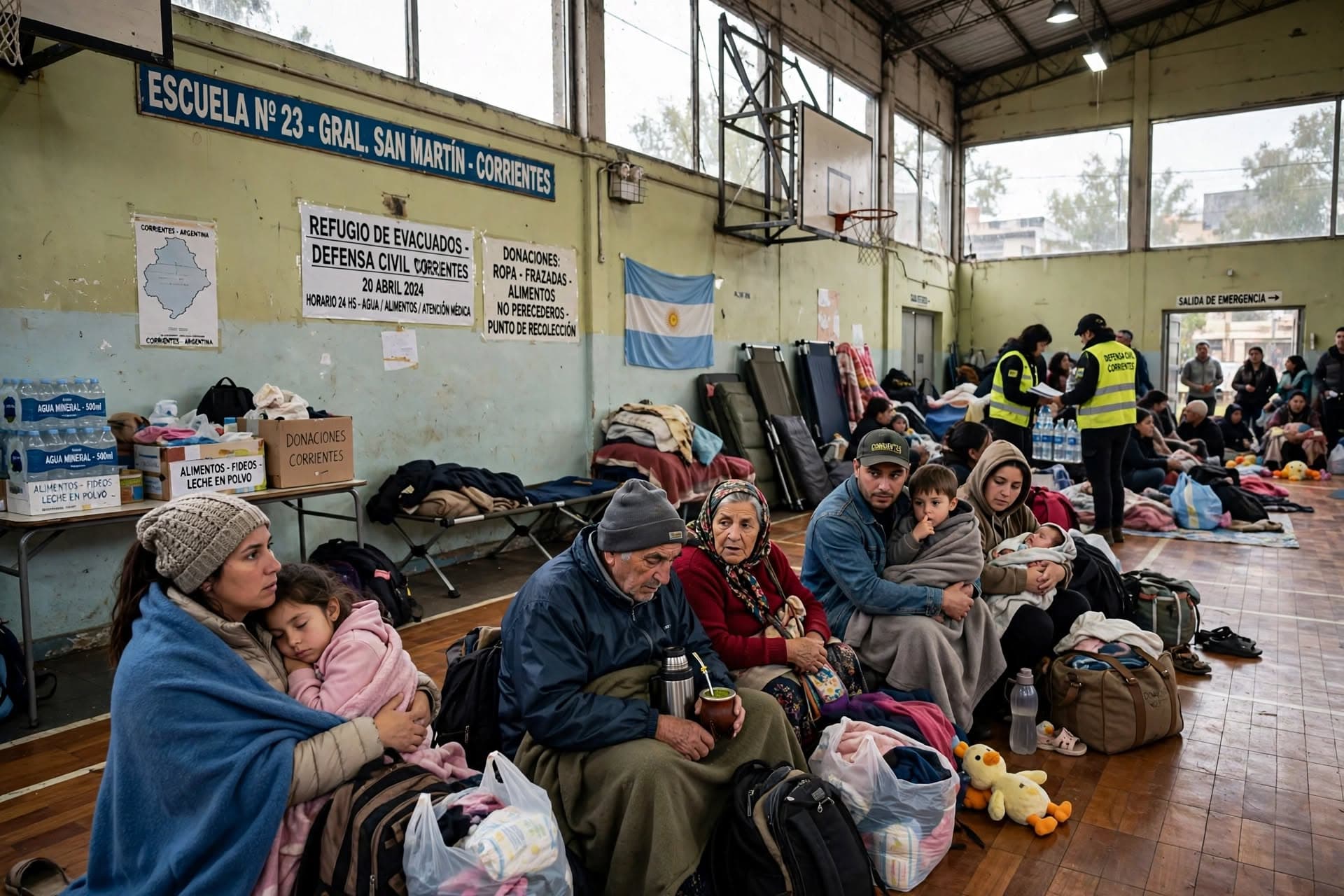
There are moments when conflict does not arrive first through explosions, but through instructions — a message on a phone, a broadcast warning, the hurried gathering of belongings into bags carried by tired hands. In southern Lebanon, where generations have lived beneath the long shadow of regional tensions, another wave of uncertainty has now begun moving across villages and towns close to the Israeli border.
Israel has issued evacuation orders for large areas of southern Lebanon, urging civilians to leave designated zones amid escalating military tensions and continued cross-border exchanges involving Hezbollah. The warnings come as fears of a broader regional confrontation continue to deepen following months of rising instability along the frontier.
According to Israeli military statements and regional reports, the evacuation notices were directed toward communities believed to be near areas of potential military activity. Officials indicated the orders were issued as part of operational preparations tied to ongoing security concerns and the intensifying confrontation with Hezbollah forces positioned near the border.
For residents of southern Lebanon, however, such announcements carry emotional weight shaped by memory as much as present danger. Many communities in the region still carry scars from previous conflicts, particularly the 2006 war between Israel and Hezbollah, which displaced large numbers of civilians and caused widespread destruction across towns and infrastructure.
This latest development arrives during an already fragile moment for Lebanon. The country continues grappling with economic crisis, political deadlock, weakened public services, and growing social strain. In many southern areas, families already facing financial hardship must now weigh the difficult decision of whether to leave homes, businesses, and farmland behind amid fears of possible escalation.
Roads leading northward have reportedly seen increasing movement as some residents respond to evacuation calls, while others remain uncertain about where to go or how long displacement might last. In conflicts shaped by repeated instability, evacuation itself often becomes another layer of exhaustion added to lives already burdened by uncertainty.
The Israeli-Lebanese border has witnessed months of rising military exchanges, including rocket fire, artillery strikes, and aerial operations. Hezbollah and Israeli forces have continued trading attacks in what analysts describe as one of the most dangerous periods of tension along the frontier in years. International diplomats have repeatedly warned that a larger war could destabilize the wider Middle East even further.
Humanitarian organizations monitoring the region continue expressing concern over the growing civilian impact of the escalating situation. Evacuations place additional pressure on already strained infrastructure and social support systems, especially in countries facing economic hardship. Schools, medical facilities, and temporary shelters may all face increasing demand should displacement expand further.
Beyond the military calculations, the emotional reality unfolding inside villages and homes remains deeply personal. Families sort through what to carry and what to leave behind. Farmers worry about abandoned fields. Children ask questions adults struggle to answer clearly. Even temporary displacement can reshape the emotional geography of ordinary life.
International leaders continue urging restraint and renewed diplomatic engagement to prevent broader regional conflict. Yet military activity on both sides of the border has continued intensifying, creating growing concern that the fragile boundary between contained confrontation and wider war may become increasingly difficult to maintain.
History often remembers wars through major battles and political declarations, but for civilians, conflicts are frequently experienced through quieter moments — locking a front door uncertain of return, driving away under warning sirens, or watching familiar roads disappear in the rearview mirror.
As the situation develops, Israeli officials are expected to continue military operations tied to border security concerns, while Lebanese authorities and humanitarian agencies monitor civilian displacement closely. Diplomatic efforts aimed at reducing tensions remain active, though uncertainty continues hanging heavily over communities along the border. For now, southern Lebanon stands once again at the intersection of warning, movement, and uneasy anticipation.
AI Image Disclaimer Illustrations were produced with AI and serve as conceptual depictions.
Reuters Associated Press (AP) BBC News Al Jazeera The Guardian
Published by Banx Network. This article is part of the Banx decentralized media programme, powered by the BXE token on the XRP Ledger.