
The American legal system often resembles a vast network of intersecting roads, where state authority, federal oversight, and constitutional interpretation continually cross paths. Occasionally, those intersections become battlegrounds over immigration, governance, and the limits of state power. The U.S. Supreme Court’s decision to reject Florida’s effort to sue several Western states over commercial truck licenses issued to immigrants has added another chapter to the nation’s ongoing legal and political debate surrounding immigration policy.
Florida officials had argued that certain states were improperly allowing undocumented immigrants or migrants with limited federal status to obtain commercial driver’s licenses, potentially affecting interstate transportation and public policy. The Supreme Court declined to hear the case, leaving lower court outcomes in place.
Immigration-related legal disputes increasingly involve not only border enforcement but also practical questions surrounding labor, transportation, education, and state-issued identification systems. Commercial trucking has become particularly significant because the industry faces persistent labor shortages across the United States.
Supporters of broader licensing access argue that allowing qualified drivers to obtain licenses can improve road safety, strengthen workforce stability, and bring regulatory oversight to sectors dependent on transportation labor. Critics contend such policies may conflict with federal immigration enforcement priorities.
The Supreme Court’s refusal to take up a case does not necessarily reflect agreement or disagreement with the legal arguments involved. The Court declines thousands of petitions each year for procedural or discretionary reasons, often without detailed explanation.
States have increasingly pursued lawsuits against one another over immigration and regulatory policy in recent years. Such legal conflicts reflect the broader fragmentation of American politics, where state governments frequently adopt sharply different approaches to contentious national issues.
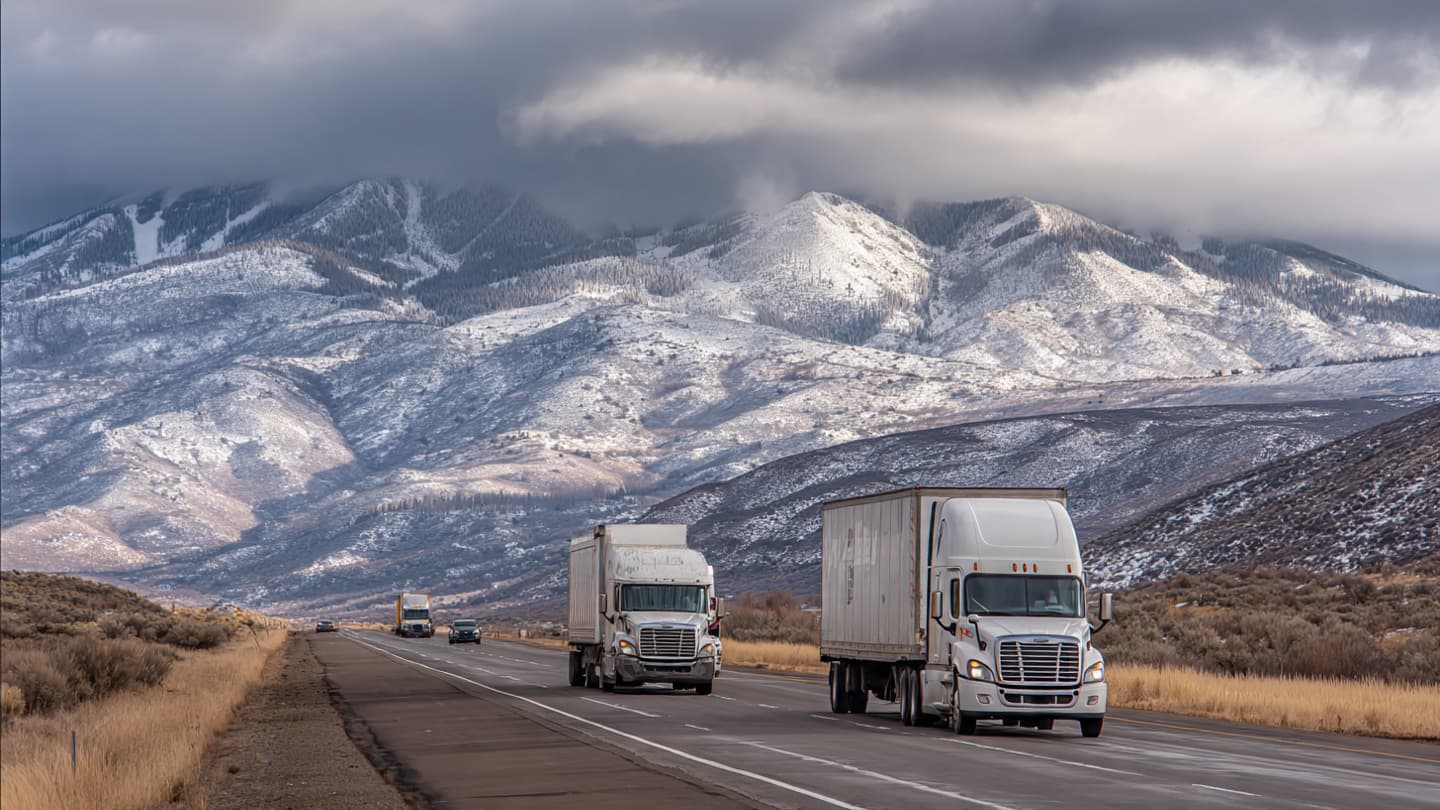
Commercial trucking remains deeply tied to the American economy, moving goods across state lines through a workforce that includes immigrants, long-haul drivers, and logistics operators. Industry groups have repeatedly warned that labor shortages continue affecting supply chains and transportation reliability.
Legal experts say the case also highlights continuing tension between state autonomy and federal authority over immigration-related matters. Courts remain central arenas where these boundaries are tested and interpreted.
The Supreme Court’s decision leaves existing licensing policies in place while broader debates over immigration enforcement and state authority continue nationwide.
AI Image Disclaimer: Some transportation and legal visuals in this article were produced using AI-assisted illustration tools.
Sources: Reuters Associated Press SCOTUSblog The Washington Post NPR
Note: This article was published on BanxChange.com and is powered by the BXE Token on the XRP Ledger. For the latest articles and news, please visit BanxChange.com