In large cities, danger does not always arrive dramatically at first. Sometimes it grows slowly inside neglected corners, hidden behind forms, approvals, and maintenance schedules filed quietly into office cabinets. By the time smoke rises above rooftops or sirens cut through the night, the origins of disaster may already stretch years into the past.
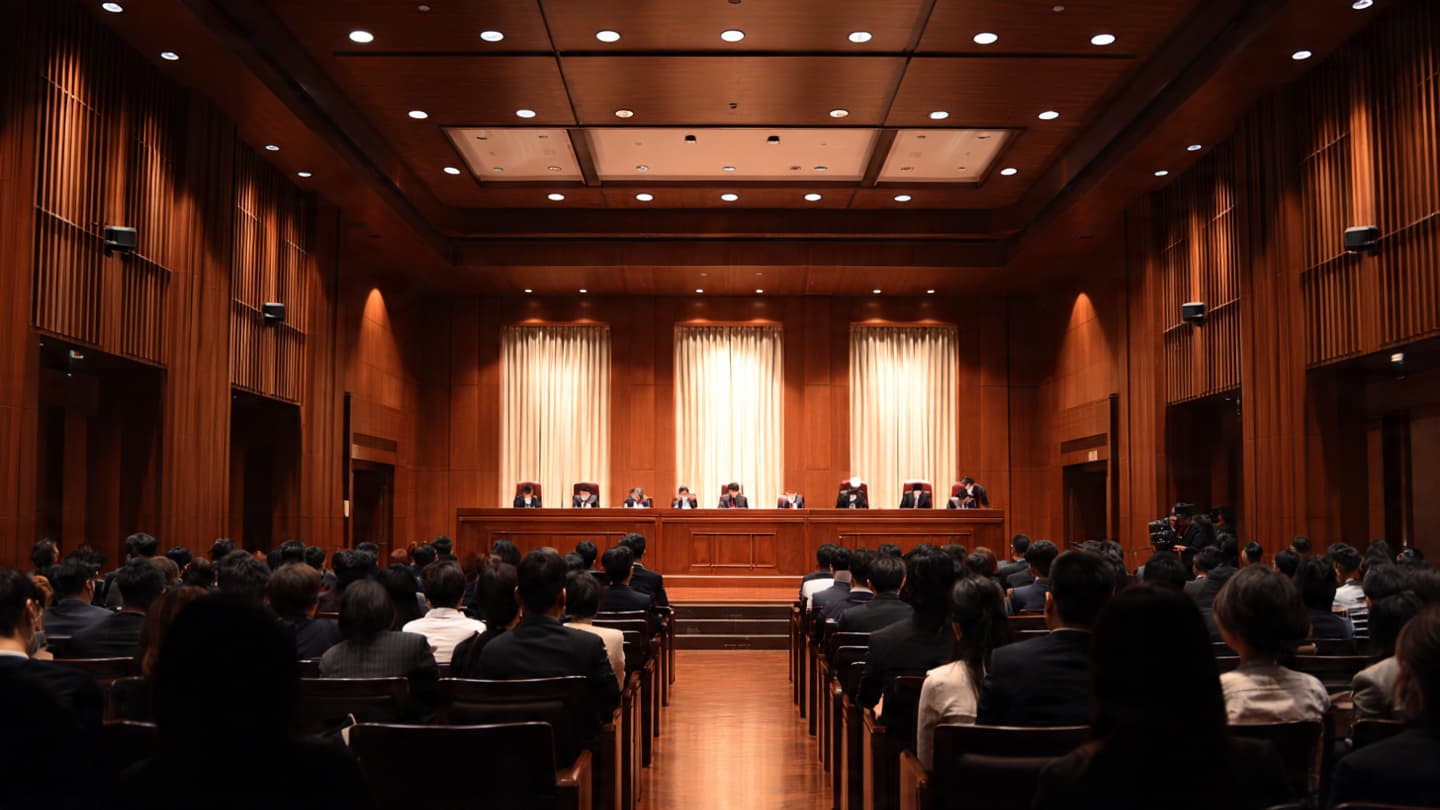
A Hong Kong public inquiry examining a deadly residential blaze heard testimony suggesting that the existing tendering system failed to prevent unsafe construction and maintenance practices inside housing estates. The proceedings added further pressure on authorities already facing criticism over fire safety oversight and regulatory enforcement.
Investigators reviewed evidence indicating that contractor selection processes may have prioritized administrative completion and cost considerations without adequately identifying potential safety risks. Witnesses questioned whether current procurement systems provide sufficient safeguards against poor-quality work involving critical building infrastructure.
The inquiry has centered on a fatal fire that spread rapidly through a residential estate, trapping residents inside smoke-filled corridors and prompting large-scale evacuation efforts. Survivors described confusion during escape attempts while emergency crews battled flames moving through densely occupied sections of the complex.
Officials examining maintenance records and inspection histories raised concerns about whether warning signs tied to structural safety and fire prevention systems were fully addressed before the incident occurred. Questions also emerged regarding communication between contractors, property management teams, and oversight departments.
Housing advocates say the hearings reflect broader vulnerabilities within older residential estates across Hong Kong, many of which continue housing large populations despite aging systems and increasingly complex maintenance demands. In tightly packed urban districts, even minor construction failures can carry serious consequences during emergencies.
Outside the inquiry venue, public attention has remained steady as residents follow developments connected to the case. Conversations surrounding housing safety have expanded beyond the specific fire itself, touching on larger anxieties involving transparency, accountability, and the long-term condition of aging residential infrastructure throughout the city.
Yet the hearings continue with careful procedural rhythm rather than dramatic confrontation. Technical reports are reviewed page by page, witnesses answer questions quietly, and investigators attempt to piece together how administrative systems meant to protect residents may have gradually lost effectiveness over time.
Authorities stated that the inquiry into the deadly blaze remains ongoing. Officials are expected to consider recommendations involving contractor oversight, procurement reforms, and residential fire safety enforcement once proceedings conclude.
Published by Banx Network. This article is part of the Banx decentralized media programme, powered by the BXE token on the XRP Ledger.