

Key Highlights
- Hezbollah's Influence: The group remains a dominant force in Lebanon's political and military landscape.
- Economic Crisis:Ongoing conflicts have exacerbated Lebanon's financial struggles, with damages estimated in billions.
- Homeland Shield Plan:The Lebanese government aims to centralize arms under state control, impacting Hezbollah's autonomy.
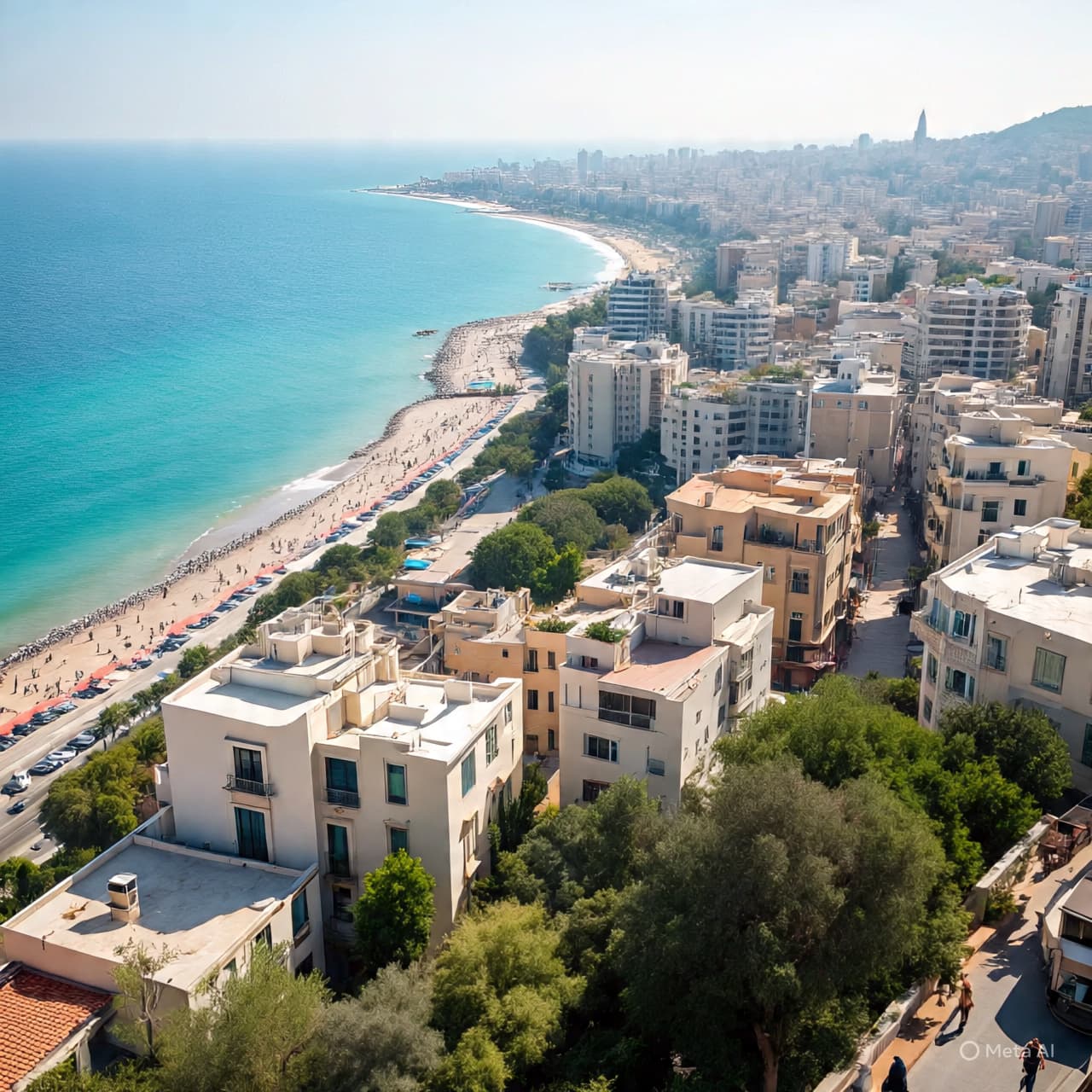
Lebanon's mornings often begin with a soft light illuminating the Mediterranean, casting a serene glow over the bustling city of Beirut. Yet, beneath this tranquil facade lies a nation grappling with profound challenges. The delicate balance of power in Lebanon is increasingly precarious, particularly as Hezbollah, a powerful political and military entity, continues to assert its influence.
Hezbollah emerged during the Lebanese civil war, initially as a militant group but has since evolved into a significant political player, holding seats in parliament and wielding considerable power across the state. Its military wing operates independently of the Lebanese government, creating a persistent tension between state authority and the group's autonomy. This tension has become more pronounced in recent years, particularly following the escalation of conflict between Israel and Hezbollah in 2023 and 2024, which resulted in thousands of casualties and extensive destruction in southern Lebanon.
The economic fallout from these conflicts has been staggering, with damages estimated in the billions, further deepening a financial crisis that has already pushed Lebanon's economy to the brink of collapse. In response, the Lebanese government has initiated discussions about restoring state authority over weapons within its borders. In 2025, the government approved the “Homeland Shield” plan, a phased strategy aimed at centralizing all arms under the Lebanese Armed Forces and dismantling militia arsenals nationwide.
This plan begins in southern Lebanon, an area historically marked by conflict along the Israeli border, and is designed to extend its reach across the country. While the initiative is framed as a national policy, its implications directly challenge Hezbollah, which maintains the most formidable non-state military force in Lebanon. However, the path to implementing this plan is fraught with complexities.
Hezbollah's deep-rooted presence in Lebanon's political and social fabric complicates matters. The group enjoys significant support, particularly among the Shiite community, where its narrative of resistance against Israel resonates strongly. Many Lebanese citizens express simultaneous support for the national army while viewing Hezbollah as a critical guarantor of security in a volatile region. This duality reflects Lebanon's intricate political landscape, shaped by sectarian power-sharing agreements and a history of external influences.
Recent regional developments have intensified the urgency of the situation. The ongoing confrontation involving Iran, Israel, and the United States has drawn renewed attention to Lebanon's southern border, where Hezbollah's influence remains strong. Israeli airstrikes and cross-border skirmishes have displaced tens of thousands of civilians, raising concerns that Lebanon could become further embroiled in regional conflicts.
Lebanese leaders, including Prime Minister Nawaf Salam, have consistently urged restraint, warning against being drawn into broader regional conflicts. Salam emphasizes the importance of maintaining stability and protecting Lebanon's fragile recovery. Meanwhile, international actors, particularly the United States and European governments, have encouraged Lebanese authorities to bolster the national army's role and diminish the influence of armed groups operating outside state control.
For many Lebanese citizens, the pressing question is not merely one of security but of national renewal. Years of economic hardship, political stagnation, and emigration have left the country yearning for a path to recovery. Advocates argue that reasserting state authority may be crucial for rebuilding confidence among investors, international partners, and the public.
However, Lebanon's history suggests that such transitions are rarely swift. Power dynamics in the country often shift gradually, negotiated among political blocs and communities that must coexist within a fragile balance. As Lebanon navigates this critical juncture, the interplay between state authority and Hezbollah's influence will be pivotal in shaping the nation's future.
Published by Banx Network. This article is part of the Banx decentralized media programme, powered by the BXE token on the XRP Ledger.




