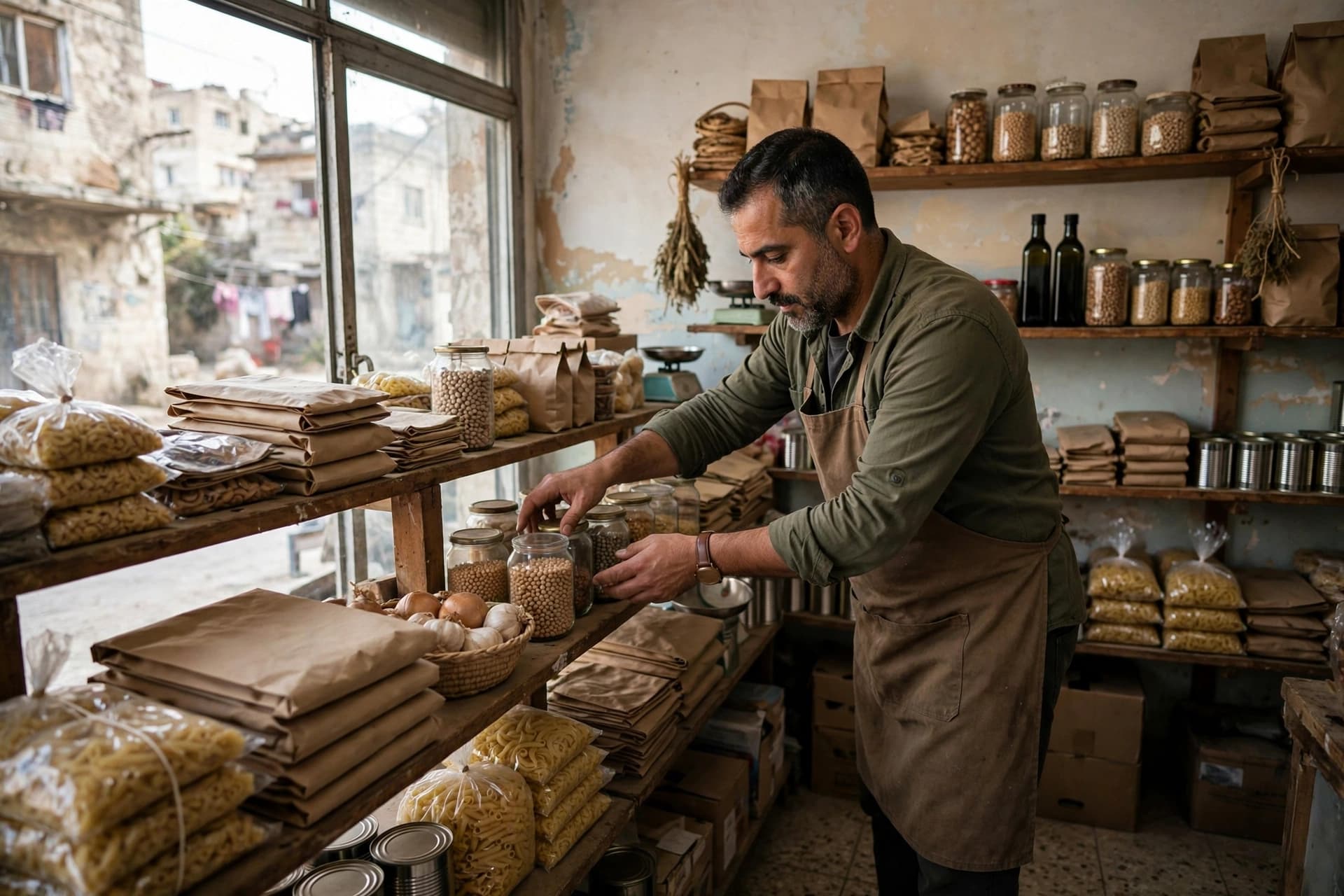
In Beirut, the rhythm of business can be heard in the opening of shop shutters, the movement of delivery vehicles, and the conversations that gather around café tables. These ordinary details offer one view of economic life: not a complete measure of recovery, but a reminder that commerce continues through periods of uncertainty.
A recent survey offered a cautiously positive signal. According to L’Orient Today, Lebanon’s business activity remained above the 50-point threshold in September, marking a fourth consecutive month of expansion. The reading suggested that private-sector conditions continued to improve, although it did not mean that every business or household was experiencing the same progress.
Purchases by local consumers helped support the result. Domestic demand matters especially for smaller businesses, which often depend on regular neighborhood spending rather than large export contracts. When customers return to shops and services, even modestly, the additional activity can help businesses plan inventories, maintain staffing, and cover operating expenses.
Yet a positive survey reading exists alongside a difficult economic backdrop. Lebanon has endured a prolonged financial crisis that weakened the banking system, reduced purchasing power, and made it harder for many people to access savings. More recent regional conflict has added pressure through damaged infrastructure, displacement, and disruptions to supply chains.
Energy costs remain a particular concern. Businesses that rely on generators, refrigeration, transport, or continuous electricity must account for these expenses as they set prices and decide how much activity they can sustain. When fuel costs rise, the effect may spread from wholesalers to retailers and eventually to customers, leaving less room for discretionary spending.
The business survey also reflected a wider environment in which economic confidence can shift quickly. Changes in political and regional conditions, cross-border commerce, and access to supplies can influence business expectations even when current sales are improving. A month of stronger activity therefore provides useful information, but it cannot guarantee that the trend will continue.
For small enterprises, the practical meaning of expansion is often measured in manageable steps. A shop might be able to restock more consistently, a café may see more customers during the week, or a service provider might feel more comfortable retaining employees. Such improvements can matter greatly, even if they do not immediately resolve the structural problems affecting the economy.
Lebanon’s recovery also depends on the relationship between private initiative and the broader financial system. Businesses need predictable payment channels, access to credit, reliable infrastructure, and confidence that their earnings can be preserved. Without those conditions, stronger demand may be difficult to translate into lasting investment and employment.
The latest business survey is best understood as a sign of momentum rather than a declaration that the crisis has passed. Consecutive months of expansion can provide encouragement, but the durability of that progress will depend on costs, consumer confidence, infrastructure, and the ability of companies to operate without repeated disruption.
For now, Lebanon’s commercial life continues to move forward in uneven increments. The open shops and returning customers suggest that economic activity has not disappeared beneath the weight of uncertainty. Whether this momentum becomes a stronger recovery will depend on conditions that extend well beyond any single month’s survey.
SEO Slug: `lebanon-business-activity-expands-fourth-month-september-2026`
Hashtags: #Lebanon #Beirut #BusinessActivity #LebaneseEconomy #SmallBusiness #EconomicRecovery #BusinessNews
Image Disclaimer
These AI-generated illustrations represent general commercial activity in Lebanon and do not document specific businesses or locations mentioned in the article.
Published by Banx Network. This article is part of the Banx decentralized media programme, powered by the BXE token on the XRP Ledger.