

Key Highlights
- Renewed Violence:Recent strikes in southern Lebanon have resulted in casualties and damage.
- Humanitarian Impact:Aid delivery challenges are increasing as families seek safety.
- International Response:The UN and other organizations call for restraint and adherence to humanitarian law.
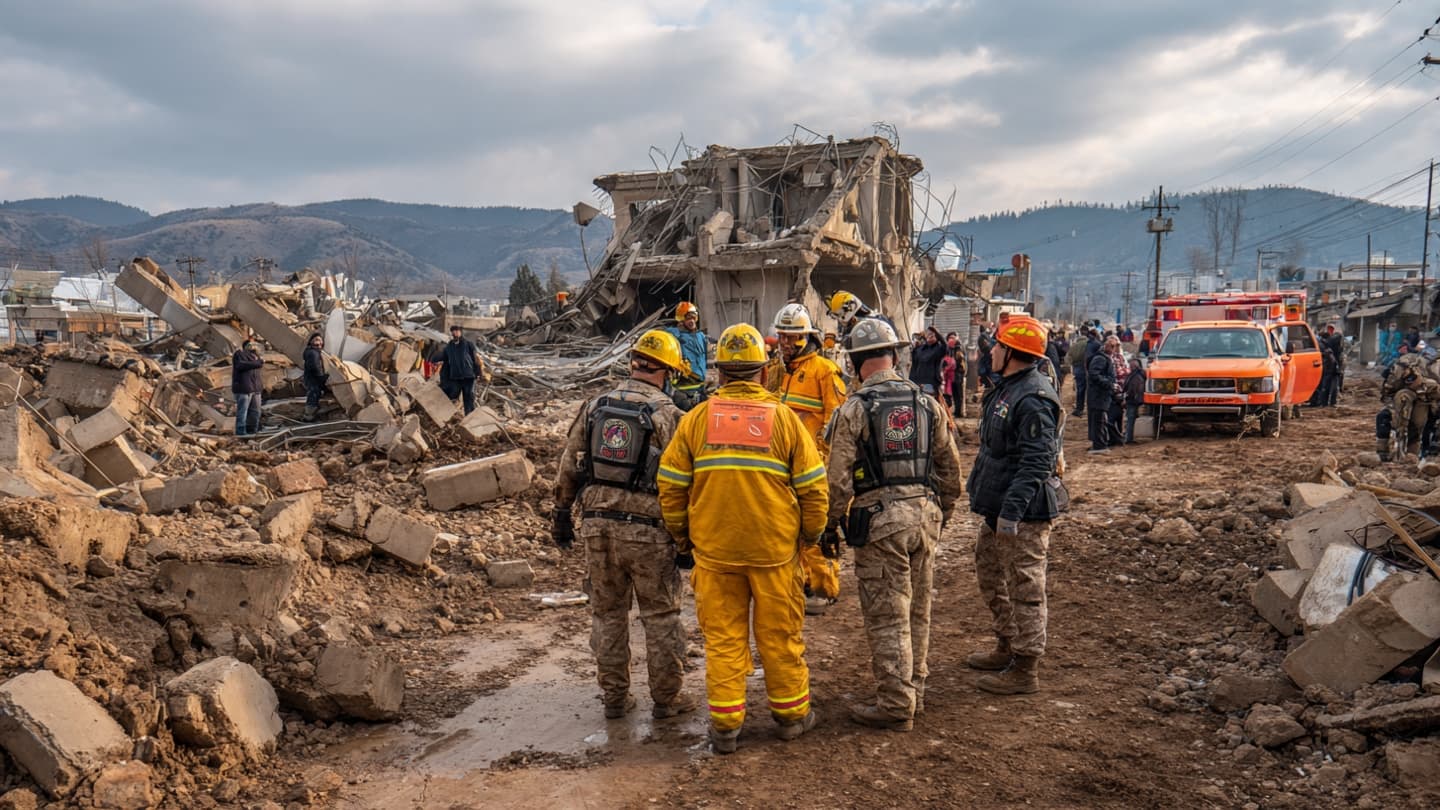
Recent events along the Israel-Lebanon border have reignited long-standing tensions, reminiscent of embers smoldering beneath the surface. The latest violence, marked by strikes in southern Lebanon, has led to casualties and significant damage in various communities. Local authorities and humanitarian organizations have reported that civilians are among the victims of this renewed conflict.
Israeli officials have stated that their military operations were a response to perceived security threats emanating from the border area. In contrast, Lebanese officials have condemned these strikes, asserting that they jeopardize civilian lives and exacerbate regional instability. This exchange of hostilities has raised alarms among international observers, who fear a potential escalation into broader conflict.
Humanitarian agencies operating in southern Lebanon are facing increasing difficulties in delivering essential aid and services. Many displaced families are seeking refuge in safer areas as the uncertainty of their situation looms large. The ongoing violence has disrupted daily life, further complicating the humanitarian landscape in the region.
The United Nations has consistently urged all parties involved to exercise restraint and comply with international humanitarian law. In response to the escalating situation, peacekeeping forces stationed in the area have intensified their monitoring efforts along sensitive border zones, aiming to prevent further violence.
Analysts emphasize that the Israel-Lebanon frontier has a history of periodic flare-ups, often influenced by broader regional dynamics. Each incident serves as a reminder of the challenges in maintaining lasting peace in a region fraught with complex political and security issues. Diplomatic efforts continue as governments and international organizations explore ways to de-escalate tensions and avert a wider regional confrontation.
As the situation develops, the international community remains watchful, hoping for a return to stability in a region that has seen too much conflict over the years. The need for dialogue and cooperation among all parties is more critical than ever to ensure the safety and well-being of civilians caught in the crossfire.
Published by Banx Network. This article is part of the Banx decentralized media programme, powered by the BXE token on the XRP Ledger.




