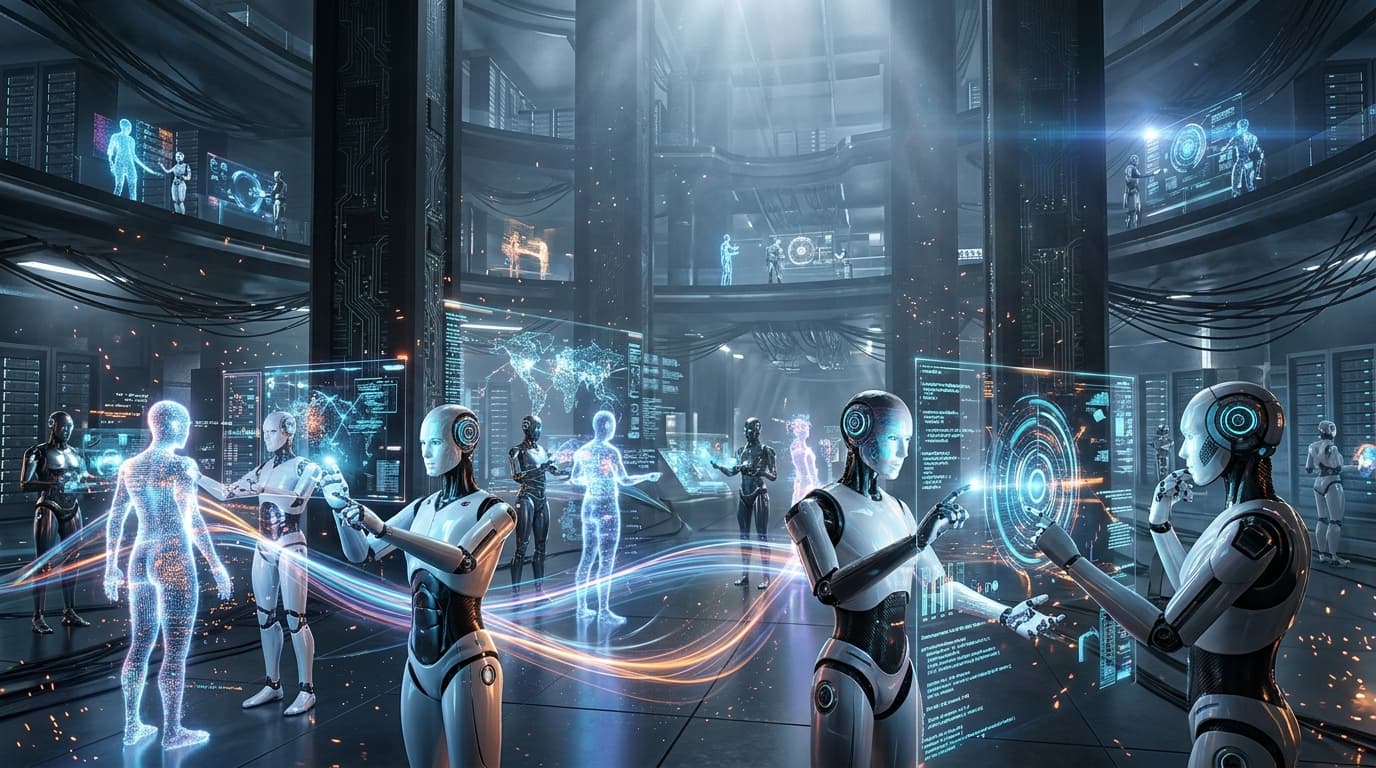
In the corridors of software engineering, where logic and precision have long been the twin pillars of craftsmanship, a new companion has appeared: the promise of AI-assisted coding. It arrived as a helping hand—a way to accelerate workflows and lift repetitive burdens. Yet, as with many innovations, the reality has proven more nuanced than the dream. Where once developers wrote every line by hand, now intelligent systems can generate vast swathes of code with a few simple prompts. But beneath this veneer of progress lies a growing unease: that code is not just being written—it’s being messed up.
Recent analyses have thrown a stark spotlight on this problem. One comprehensive study of hundreds of code contributions found that AI-generated code contained roughly 1.7 times more issues than similar work written by human developers. These issues span logic errors, critical defects, and structural weaknesses—all of which demand careful review and correction. What at first seems like speed can quickly become a chore: developers spending more hours debugging than they would have saving time in the first place.
Beyond mere bugs in syntax or misplaced semicolons, the deeper concern lies in the nature of these errors. AI systems, for all their pattern recognition prowess, lack the contextual understanding that human engineers bring to nuanced problems. They may inadvertently introduce insecure practices like improper password handling or weak logic flows that pass cursory tests but fail under real-world conditions. Security researchers have noted that without rigorous safeguards, such shortcomings can expose systems to vulnerabilities that traditional development workflows would have caught earlier.
Another side of this dilemma stems from the human response to AI-assisted code. In some cases, developers fall into the “almost right” trap—where autogenerated solutions appear plausible but conceal subtle flaws beneath their surface. These quasi-correct outputs are often more dangerous than obvious failures because they can slip through reviews and later surface as costly production bugs. Teams are now learning that AI isn’t a replacement for careful engineering judgment, but a tool that requires even more vigilance.
Even seasoned engineers find themselves recalibrating how they interact with these tools. What was once pitched as a way to save time now often demands a new layer of quality control: automated testing, deeper code reviews, and integration with security scanning tools. Rather than autonomous code creation, the most effective approach today is collaboration—where AI suggestions are tempered by human insight and expertise.
At its best, AI in code generation still offers value: rapid prototyping, boilerplate creation, and assistance in mundane tasks. At its worst, it generates noise that developers must sift through carefully, lest errors cascade into larger architectural problems. The story of AI code in 2025 and beyond is not one of unalloyed triumph, but of deliberate adaptation—finding where automation truly aids, and where human oversight remains indispensable.
In this evolving landscape, the question for organizations is not whether to use AI tools, but how to integrate them responsibly. The promise of speed must be balanced with the need for quality, security, and long-term maintainability. As the industry continues to iterate, the lessons learned today will shape how software is built tomorrow—mindful that even the most advanced machines still need human hands to guide them.
AI Image Disclaimer Visuals are created with AI tools and are not real photographs.
Source Check Futurism: Reports on AI code producing significantly more errors and quality weaknesses than human code, based on fresh CodeRabbit analysis. WebProNews (syndicated): Highlights that AI-generated code introduces about 1.7× more issues and vulnerabilities that slow down developer workflows. SecurityWeek: Notes wider concerns around AI coding tools producing flawed code that demands stronger security practices. InfoWorld / Infoworld-like reporting: Industry discussion on how AI code is hard to make production-ready without rigorous human oversight.
Published by Banx Network. This article is part of the Banx decentralized media programme, powered by the BXE token on the XRP Ledger.