Like travelers adjusting their route as the landscape changes ahead, nations often revisit long-standing assumptions when the global environment begins to shift. For decades, the United States has occupied a central role in security alliances, economic coordination, and international diplomacy. Yet discussions at the latest Group of Seven summit suggested that some allies are increasingly considering how to strengthen their own capabilities in a world where American leadership may not always be as predictable as it once seemed.
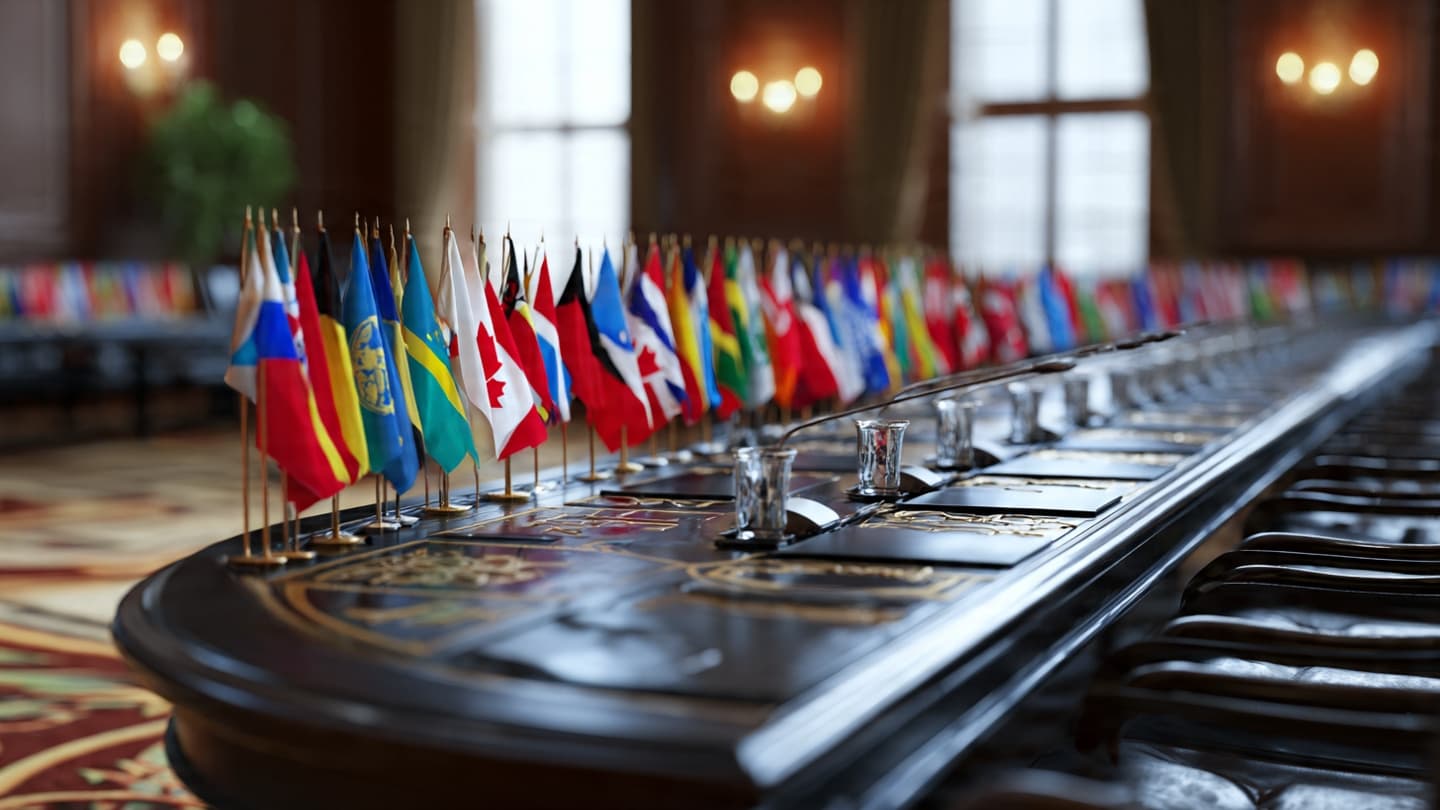
Leaders attending the G-7 gathering addressed a range of challenges, including economic resilience, defense cooperation, trade security, and technological competitiveness. While the United States remained a key participant, conversations reflected growing interest in reducing strategic dependence on any single partner.
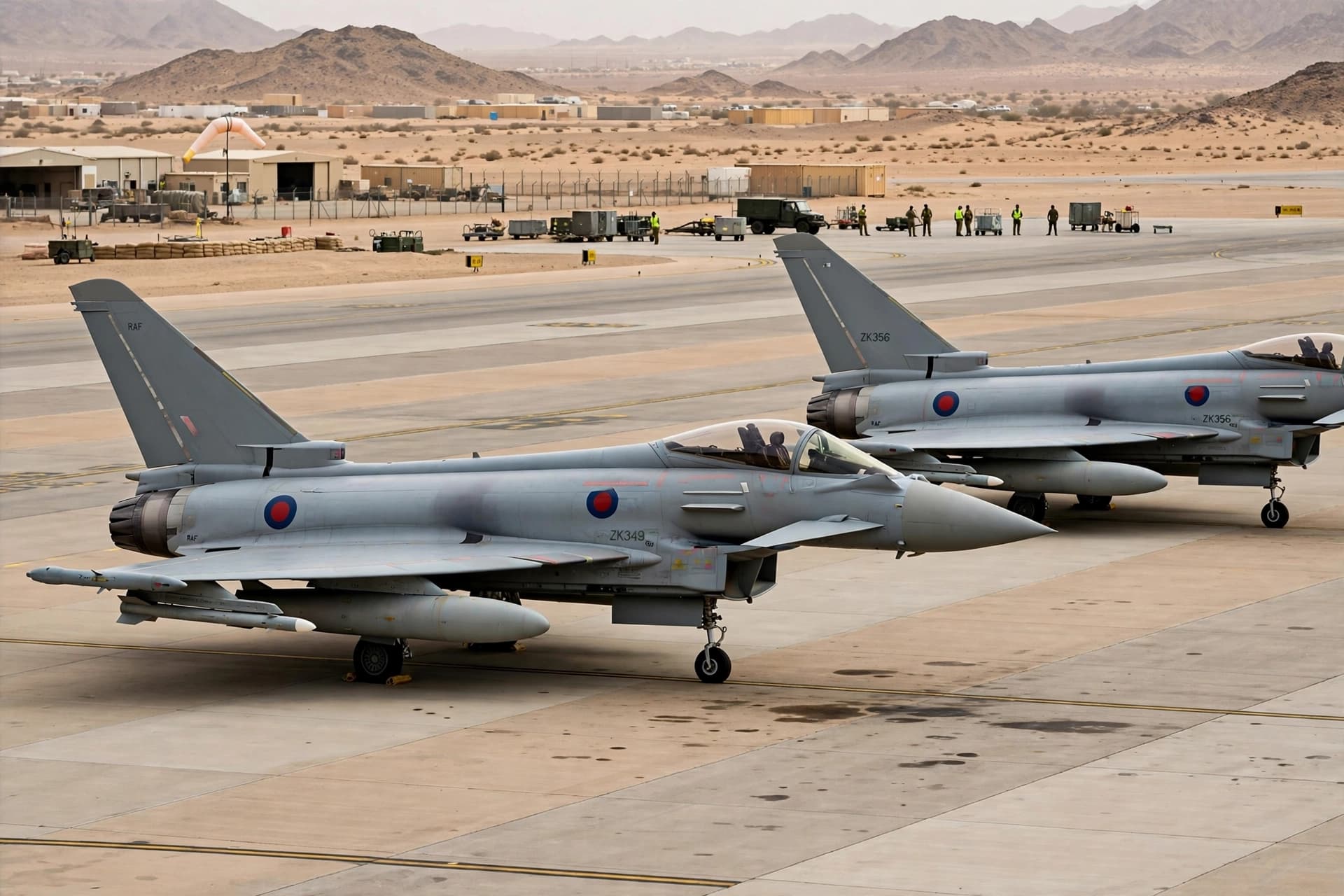
European governments have increasingly emphasized the importance of strengthening domestic industries, enhancing defense production, and diversifying supply chains. These efforts accelerated following disruptions linked to geopolitical tensions, the COVID-19 pandemic, and ongoing conflicts in Europe and the Middle East.
Supporters of greater strategic autonomy argue that stronger regional capabilities can complement rather than replace existing alliances. They contend that nations are better positioned to respond to crises when they possess broader economic and security resources of their own.
The discussion has been shaped in part by uncertainty surrounding future political developments in Washington. Changes in administrations can alter priorities related to trade, defense commitments, and international agreements, prompting allies to prepare for a wider range of possibilities.
At the same time, officials from several countries stressed that cooperation with the United States remains fundamental to the international system. The focus, they suggested, is not separation but resilience—creating structures that can withstand political and economic shifts.
Analysts note that the trend extends beyond military matters. Investments in energy independence, semiconductor manufacturing, and critical technologies have become central elements of long-term planning among many advanced economies.
The G-7 discussions illustrated how alliances evolve over time. Rather than signaling a rupture, the conversations reflected an effort to balance enduring partnerships with greater self-reliance in an increasingly complex global environment.
As the summit concluded, leaders reaffirmed cooperation on major international challenges while continuing efforts to strengthen domestic and regional capabilities for the years ahead.
AI Image Disclaimer: The accompanying images are AI-generated visual interpretations created for illustrative purposes and do not depict actual summit photography.
Sources: Reuters, Associated Press, Financial Times, Bloomberg
Published by Banx Network. This article is part of the Banx decentralized media programme, powered by the BXE token on the XRP Ledger.