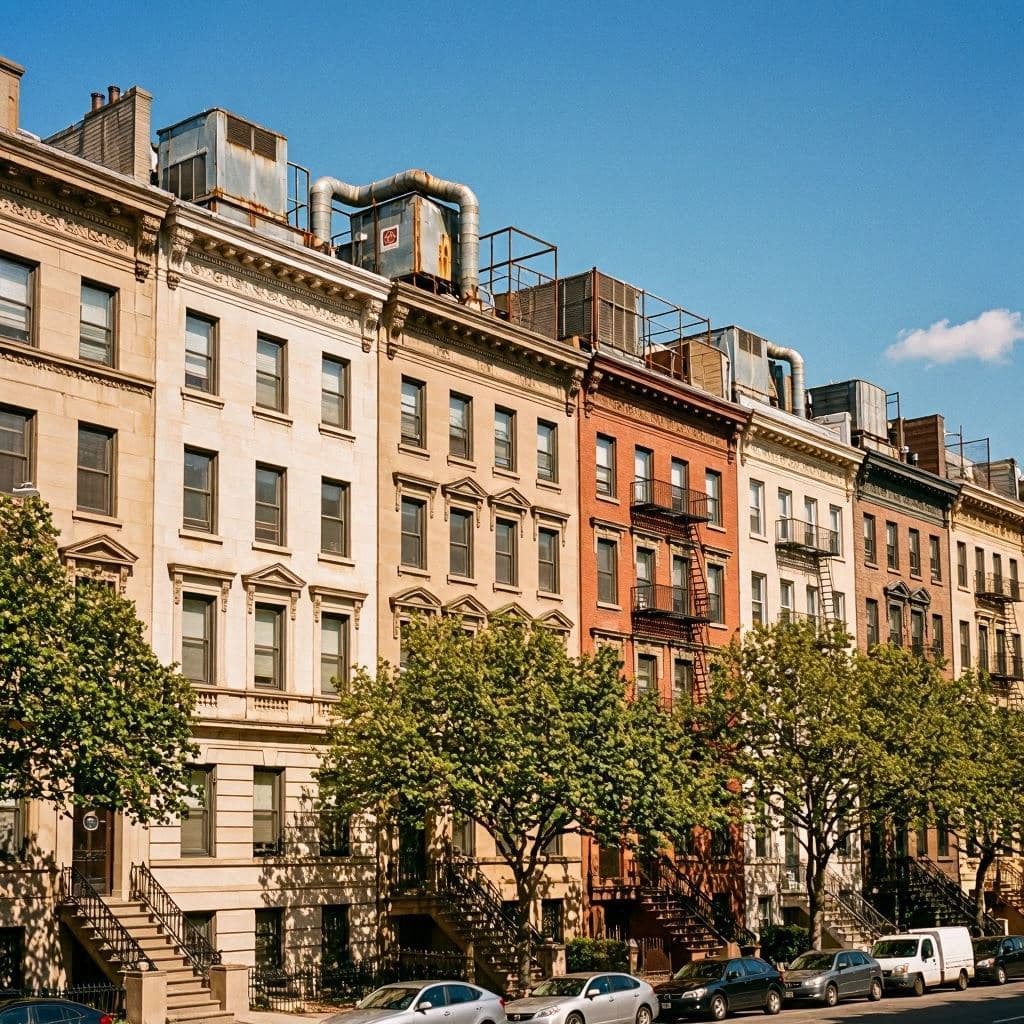
In the dense urban fabric of New York City, invisible threats can sometimes lurk in the most mundane places, such as the cooling towers of apartment buildings. Recently, the Upper East Side faced such a challenge with an outbreak of Legionnaires’ disease, a severe form of pneumonia caused by bacteria thriving in warm water systems. Now, city officials have declared the outbreak over, bringing relief to residents who had lived under a cloud of uncertainty and fear. The resolution marks a victory for public health vigilance and community cooperation.
The outbreak, which affected several individuals in the neighborhood, was traced back to specific cooling towers in the area. Legionella bacteria, which cause Legionnaires’ disease, are commonly found in freshwater environments but can become hazardous when they multiply in human-made structures like cooling towers, hot tubs, and plumbing systems. The New York City Department of Health and Mental Hygiene acted swiftly, identifying the source and mandating immediate disinfection and maintenance.
Health officials emphasized that the risk to the general public was low, as the disease is not transmitted from person to person but through inhalation of contaminated mist. Nevertheless, the cluster of cases prompted a thorough investigation and heightened awareness among residents. Building managers were required to inspect their water systems, ensuring that proper cleaning and testing protocols were followed to prevent future occurrences.
The response involved a coordinated effort between city agencies, building owners, and healthcare providers. Rapid testing and contact tracing helped identify those at risk, allowing for early treatment and containment. Antibiotics are effective against Legionnaires’ disease if administered promptly, and all identified cases received appropriate medical care. The swift action prevented further spread and demonstrated the effectiveness of the city’s public health infrastructure.
For the affected residents, the news brings a sense of closure. Many had experienced anxiety about their living environment, wondering if their homes were safe. The declaration that the outbreak is over allows them to breathe easier, both literally and figuratively. Community boards and local leaders have praised the transparency and efficiency of the health department’s response.
This incident serves as a reminder of the importance of regular maintenance in urban infrastructure. Cooling towers, while essential for air conditioning in large buildings, require diligent upkeep to ensure they do not become breeding grounds for harmful bacteria. The city has reinforced regulations and inspection schedules to minimize such risks in the future, prioritizing the health and safety of its millions of residents.
Public education also plays a crucial role. Residents are encouraged to report any signs of malfunctioning water systems or unusual health symptoms to authorities. Awareness campaigns highlight the symptoms of Legionnaires’ disease, such as fever, cough, and shortness of breath, urging people to seek medical attention if they suspect exposure. Knowledge empowers communities to protect themselves.
As the summer heat continues, the focus remains on prevention. Building owners are reminded of their responsibilities, and health inspectors continue their routine checks. The successful management of this outbreak reinforces trust in public health systems and highlights the collective effort required to maintain a healthy urban environment.
The end of the Legionnaires’ outbreak on the Upper East Side is a testament to proactive public health measures. While the threat has passed, the lessons learned will contribute to a safer and more resilient city, ensuring that hidden dangers are kept in check.
AI Image Disclaimer: Please note that the images in this piece are AI-generated illustrations created to depict the themes of public health and urban infrastructure.
Sources: NBC New York, NY1, CBS New York, NYC Health Department
Published by Banx Network. This article is part of the Banx decentralized media programme, powered by the BXE token on the XRP Ledger.