
Key Highlights
- Alberta's Premier Danielle Smith proposes new legislation to ease referendum thresholds.
- The sovereignty debate has intensified amid frustrations over federal policies.
- Support for independence remains divided among Albertans, with many favoring increased provincial powers.
In federations as vast as Canada, political identity often moves like a long river — shaped by geography, economics, and generations of regional experience. Recently, the currents of political discourse in Alberta have surged, bringing the sovereignty debate back into the national spotlight. This resurgence follows Premier Danielle Smith's announcement of plans to introduce legislation aimed at lowering the threshold for citizen-initiated referendums, a move that could pave the way for discussions about Alberta's potential separation from Canada.
The proposed changes are designed to simplify the process for residents to trigger provincial referendums through petition campaigns. While no official referendum on separation has been scheduled, sovereignty advocacy groups in Alberta view this legislative initiative as a significant opportunity to amplify public discourse surrounding independence. This renewed focus on sovereignty reflects a broader sentiment among some Albertans who feel marginalized by federal policies and decisions.
Supporters of Alberta sovereignty frequently cite long-standing grievances related to federal energy policies, equalization payments, and a perceived lack of influence in national political institutions. The economic implications tied to the oil and gas industry are central to many arguments advocating for greater provincial autonomy. Proponents argue that Alberta's resources should be managed more independently, allowing the province to better address its unique economic challenges and aspirations.
Conversely, opponents of the sovereignty movement warn that separation could lead to substantial economic, legal, and political uncertainty. Business groups, constitutional experts, and federal politicians have raised alarms about the potential complications that could arise from leaving Canada, including adverse effects on trade relationships, investment conditions, and access to national programs and infrastructure. The fear is that the economic risks associated with separation could outweigh any perceived benefits of autonomy.
Public opinion on the issue remains complex and divided. Recent surveys indicate that while there is a notable desire for increased provincial powers, support for outright independence is less robust. Political analysts caution against assuming that the push for sovereignty reflects a majority sentiment across Alberta. The nuances of public opinion suggest that many residents prioritize enhanced provincial rights without necessarily advocating for full separation from Canada.
The current sovereignty debate also resonates with historical tensions that have periodically surfaced within Canadian politics. Comparisons to Quebec's sovereignty referendums have been made, although Alberta's political and cultural dynamics differ significantly from those earlier movements. The discussions surrounding Alberta's sovereignty are not merely about independence; they are intertwined with broader questions of representation, identity, and the balance of power within Canada's federal structure.
As discussions continue, the referendum question has become part of a larger conversation about the future of Canada's federation and the role of regional identities within it. Public discourse has intensified both online and in local communities, with supporters framing the issue around provincial rights while critics emphasize the importance of national unity and economic stability. For now, Alberta remains firmly within Canada's constitutional framework, but the renewed sovereignty discussion illustrates how regional identity and political dissatisfaction can resurface even within long-established democratic systems.
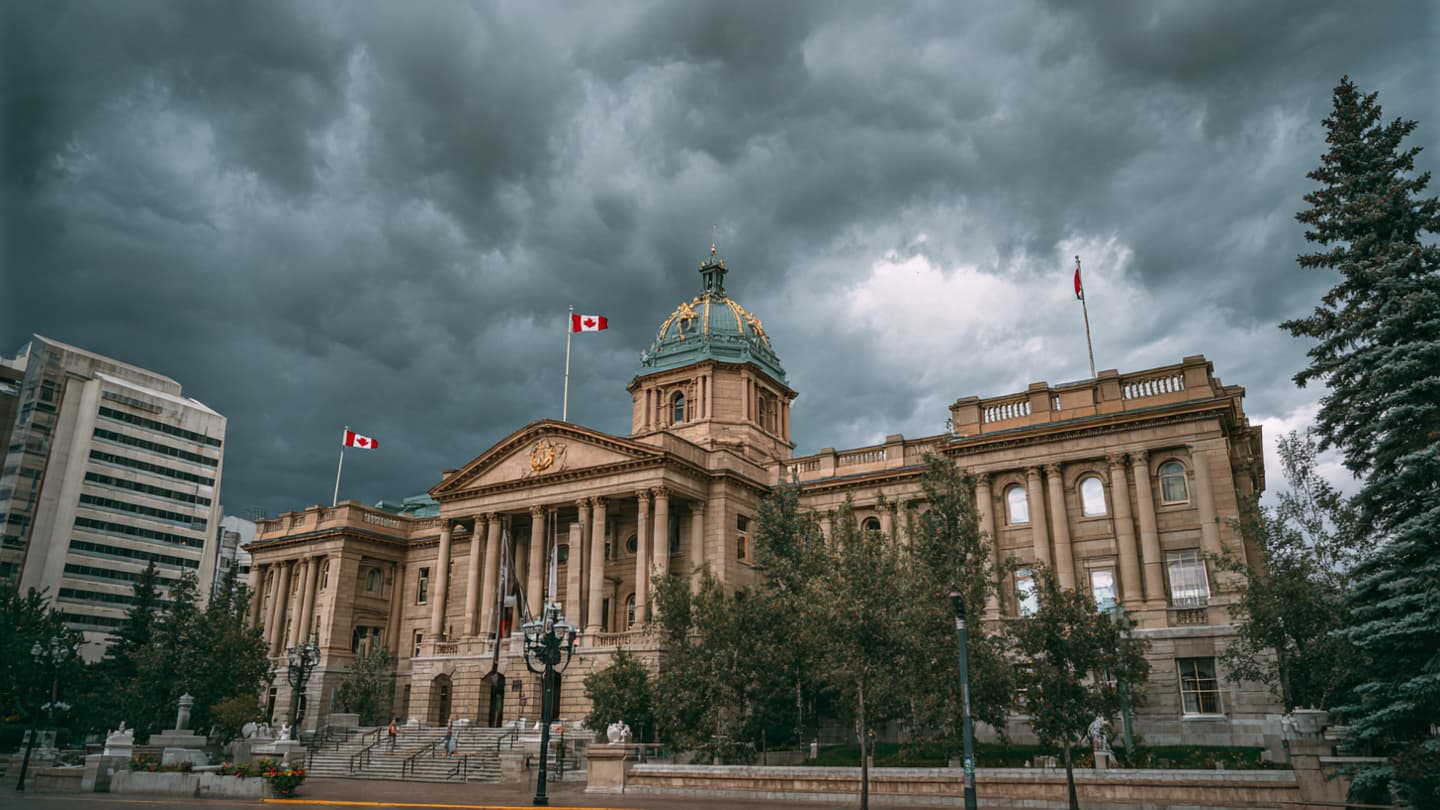
AI-generated visuals are included for illustrative newsroom presentation.
Published by Banx Network. This article is part of the Banx decentralized media programme, powered by the BXE token on the XRP Ledger.



