
Key Highlights
- Albania's Parliament designates Iran's IRGC as a terrorist organization.
- The decision follows cyberattacks linked to Iranian hackers targeting Albanian institutions.
- Albania aligns with Western nations in condemning Iran's actions.
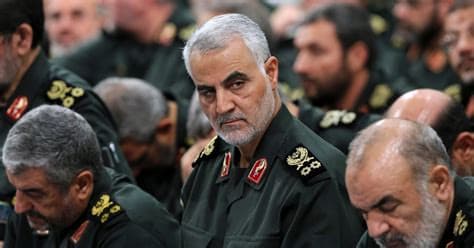
On March 17, 2026, Albania's Parliament took a significant step by designating Iran’s Islamic Revolutionary Guard Corps (IRGC) as a terrorist organization. This resolution, passed overwhelmingly by the ruling Socialist Party, also categorizes Iran as a state sponsor of terrorism. The decision reflects Albania's growing concerns over national security and its response to Iran's destabilizing activities in the region.
Taulant Balla, the leader of the parliamentary group, articulated that the resolution aims to condemn Iran’s support for terrorism and its use of proxy groups to undermine stability in various regions. He emphasized that the implications of this designation are not merely geopolitical but directly impact Albania's national security. This move follows a series of cyberattacks attributed to Iranian-linked hackers that targeted Albanian institutions, which played a crucial role in the decision to sever diplomatic ties with Iran after a severe cyber incident in 2022.
The IRGC has previously been designated as a terrorist organization by the United States and more recently by the European Union. This designation follows Iran's violent crackdown on domestic protests and its military activities in the region, which have raised alarms about its role in exacerbating conflicts that threaten regional stability. Albania's decision to label the IRGC as a terrorist organization aligns it with these broader international efforts to hold Iran accountable for its actions.
The timing of Albania's resolution is particularly notable, as it coincides with escalating hostilities in the Middle East. Recent joint military actions by Israel and the United States against Iranian targets have intensified scrutiny of Iran's influence in global conflicts. Albania's designation of the IRGC signals a clear alignment with Western positions against Iranian aggression, reflecting a broader trend among nations in the Balkans and beyond to reassess their diplomatic stances in light of security concerns.
As tensions continue to rise, Albania's decision underscores the growing apprehension regarding foreign influence in the region and the potential ramifications for national security. The Albanian government’s stance is indicative of a larger movement among countries that are increasingly wary of Iran's actions and their implications for regional and global stability.
Published by Banx Network. This article is part of the Banx decentralized media programme, powered by the BXE token on the XRP Ledger.



