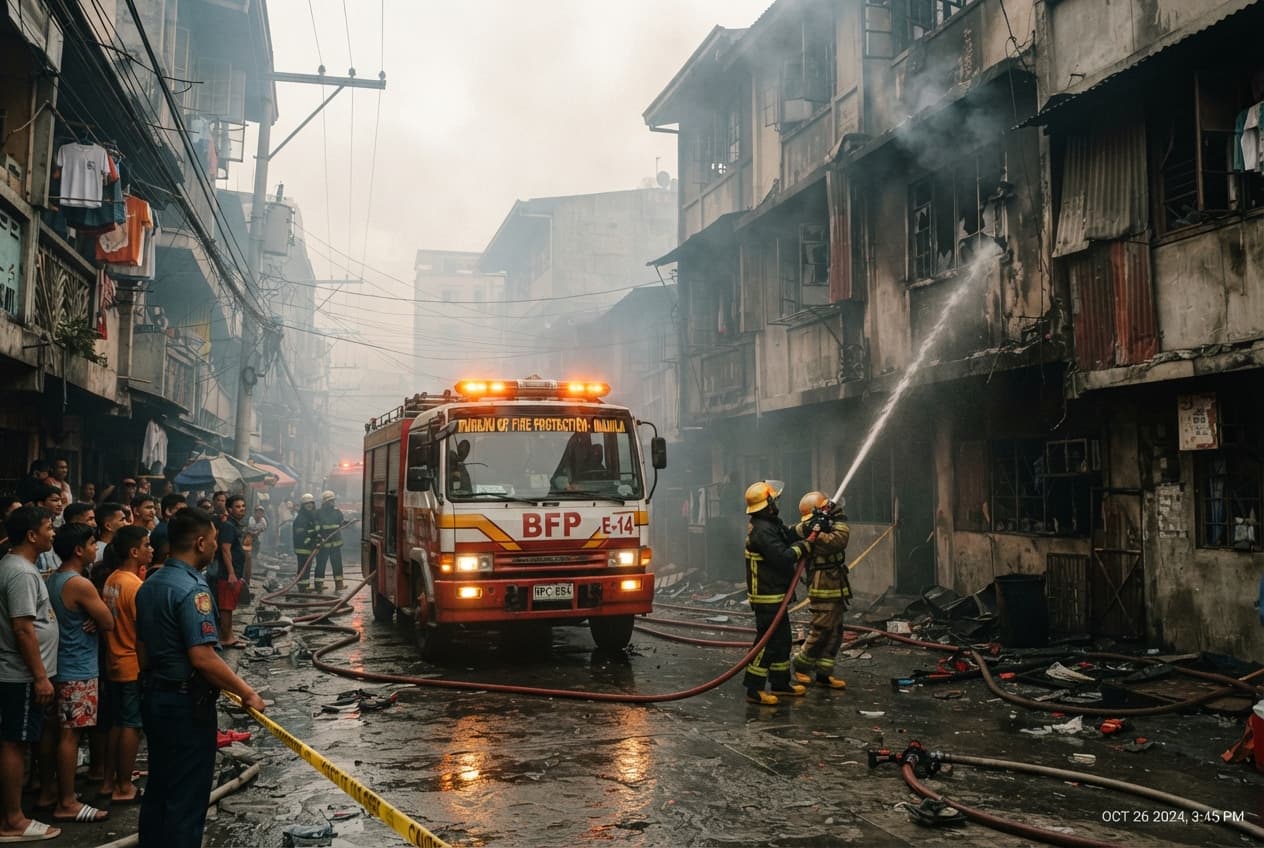
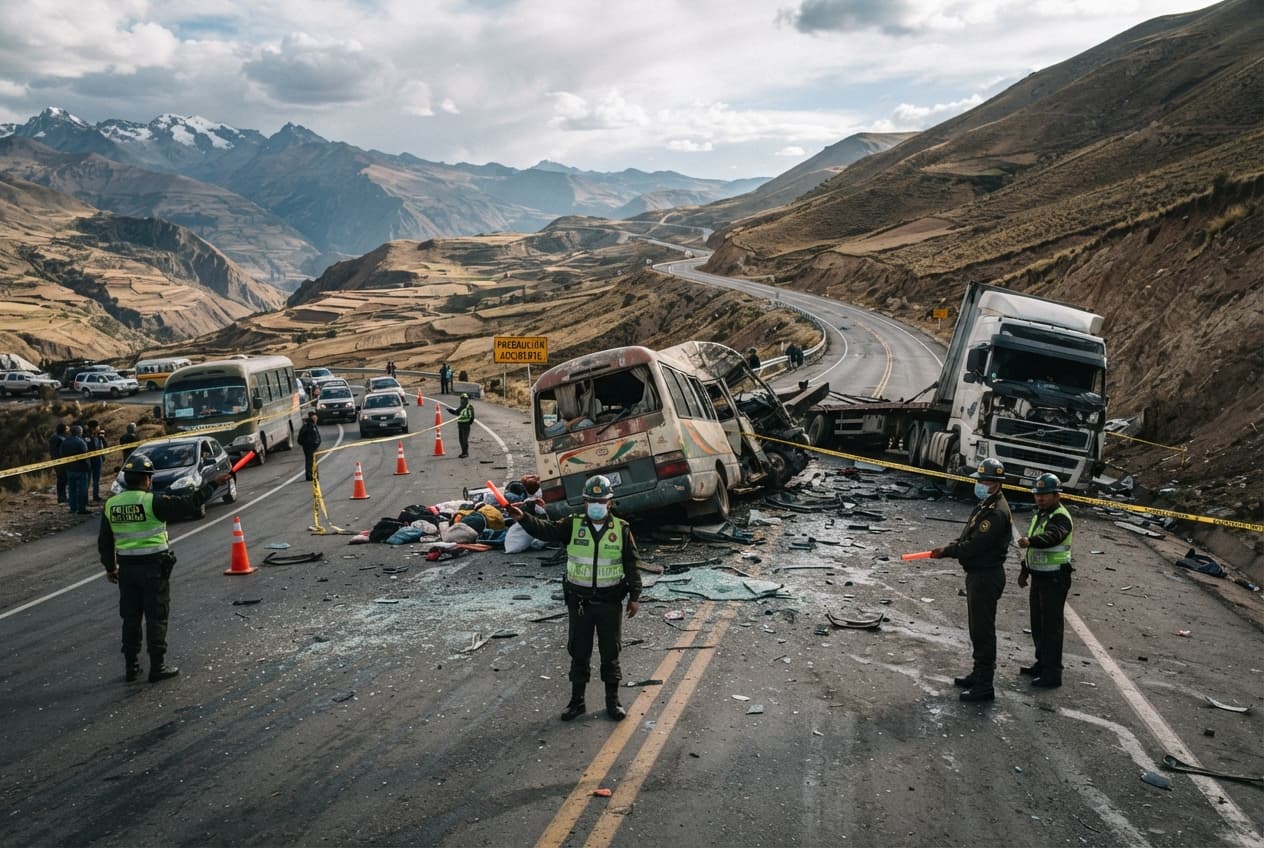
On March 3, 2026, tensions in Tehran escalated dramatically when an airstrike targeted the city, resulting in significant damage to the famed Golestan Palace. Recognized as a UNESCO World Heritage Site, the palace is an iconic example of Qajar-era architecture and a symbol of Iran's rich cultural heritage. This incident highlights the perilous state of cultural landmarks during periods of conflict.
Eyewitness reports indicate that the airstrike landed in the vicinity of the palace, causing structural damage and prompting fears about the safety of the historic site. Local authorities mobilized immediately, assessing the extent of the damage and beginning efforts to secure the area.
Golestan Palace is renowned for its stunning gardens, ornate tile work, and intricate mirror Hall of Mirrors. It serves not only as a tourist attraction but also as a vital piece of Iran's national identity. The damage to such a crucial cultural asset has ignited protests from preservationists and the international community, underscoring the importance of protecting heritage sites during armed conflicts.
UNESCO officials have expressed deep concern regarding the situation, emphasizing the need for immediate protective measures to ensure the integrity of the palace and other cultural sites throughout the region. Experts warn that the continued impact of military actions can lead to irreversible losses of heritage, making diplomatic resolutions increasingly urgent.
As investigations into the airstrike continue, officials are appealing for calm and promoting dialogues aimed at ending the conflict. The protection of cultural heritage, particularly in times of war, remains a critical concern for nations around the world, ensuring that future generations can appreciate and learn from the past.
The incident serves as a stark reminder of the fragility of cultural sites and the need for collaborative international efforts to safeguard them against the ravages of war.
Published by Banx Network. This article is part of the Banx decentralized media programme, powered by the BXE token on the XRP Ledger.