In diplomacy’s quiet dance, even unplanned steps can trip into tension—but they can also lead to renewed understanding. Such was the case this week between Nigeria and Burkina Faso, after an emergency military flight and its crew briefly became the centre of a diplomatic storm that tested both regional goodwill and international aviation norms.
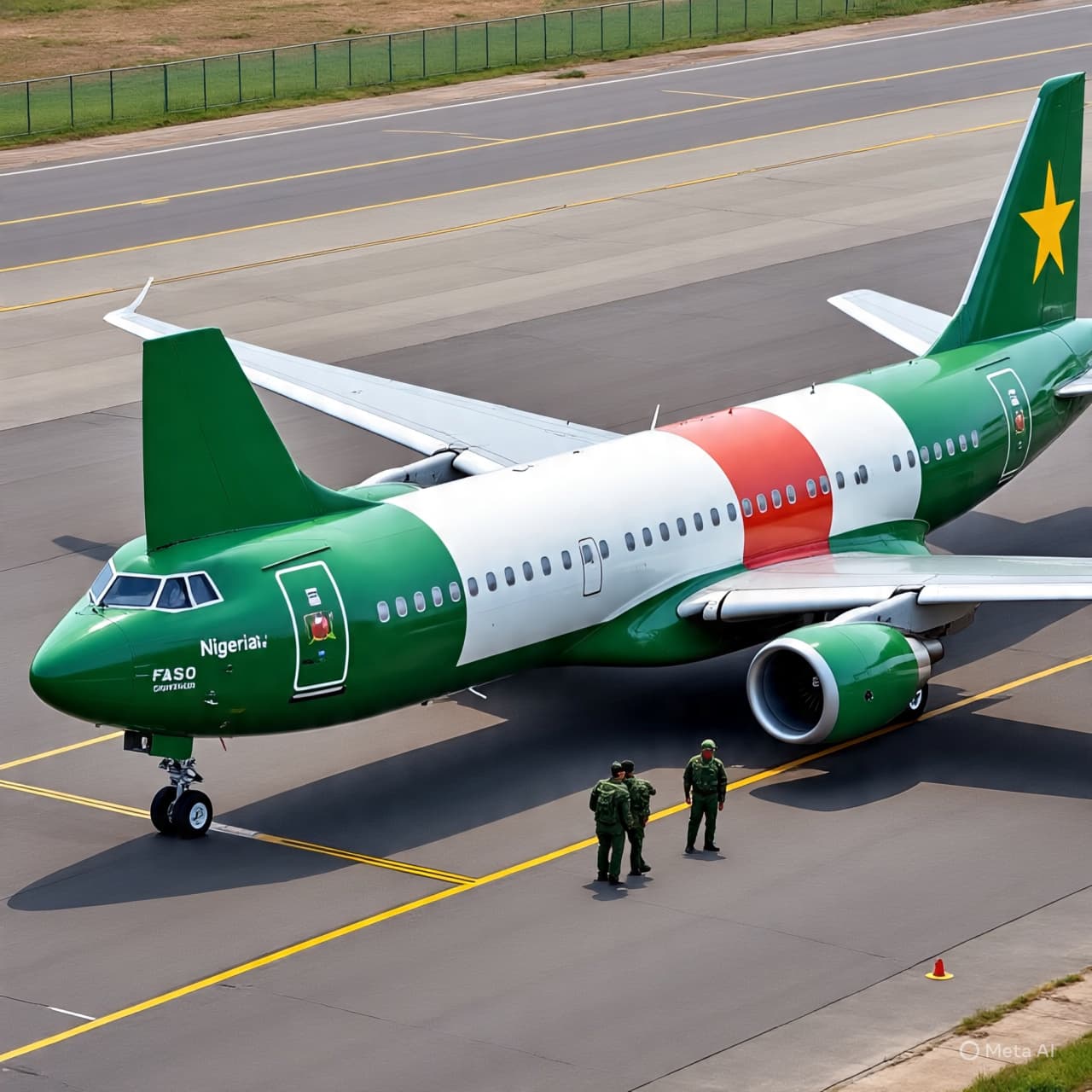
The episode began on December 8, 2025, when a Nigerian Air Force C‑130 aircraft carrying 11 military personnel made a precautionary landing in Bobo‑Dioulasso, Burkina Faso, due to a technical issue while en route to Portugal for maintenance work. Although Nigeria’s military insisted the landing complied with international safety protocols, Burkina Faso’s military government viewed the unscheduled arrival as an unauthorised breach of its airspace—an action it labelled unfriendly and warranting detention of the crew. Reasoning was further complicated by heightened tensions in the region, including a recent coup attempt in neighbouring Benin that saw Nigerian forces intervene, and the broader unsettled relations with the Alliance of Sahel States.
For days, the fate of the 11 Nigerian servicemen remained uncertain, a situation watched closely in Abuja and across West Africa. Nigeria’s government responded with diplomatic engagement, sending Foreign Affairs Minister Yusuf Tuggar to Ouagadougou to meet with Burkina Faso’s junta leader, Captain Ibrahim Traoré, and other officials. Behind closed doors, the discussions balanced respect for sovereignty with appeals to long‑standing regional ties and shared security interests.
On December 18, 2025, the standoff eased. Burkina Faso agreed to release the detained crew and the C‑130 aircraft, and the servicemen returned home safely. In a public statement, Minister Tuggar conveyed Nigeria’s regret for the irregularities in the aircraft’s entry into Burkinabe airspace, offering an apology for the incident and emphasising that it was not an intentional provocation. In return, Burkina Faso reaffirmed a commitment to strengthened diplomatic consultations and regional cooperation.
Both sides underscored that the matter was resolved through sustained dialogue rather than confrontation, highlighting the role of diplomacy in defusing sensitive situations. Nigeria’s apology, while acknowledging procedural shortcomings, also served as a gesture toward preserving and enhancing bilateral relations in a part of Africa where mutual respect and clear communication remain essential to stability.
The incident, and its peaceful resolution, speaks to broader tensions and alliances in West Africa—between established regional blocs like ECOWAS and newer entities such as the Alliance of Sahel States. Yet more importantly, it offers a reminder that even amid disagreement, channels of diplomacy can steer potential conflict toward collaborative understanding, reinforcing the value of dialogue in international relations.
AI Image Disclaimer “Visuals are created with AI tools and are not real photographs.” Sources (news reports) Africanews – Burkina Faso crew release and diplomatic resolution The Standard / AFP – apology and release details AP / The Week – diplomatic efforts and crew release Nigerian Eye – high‑level talks and bilateral engagement Channels Television – resolution announcement and return plans
Published by Banx Network. This article is part of the Banx decentralized media programme, powered by the BXE token on the XRP Ledger.