
Key Highlights
- Incident Date:A Nigerian Air Force C-130 made an emergency landing on December 8, 2025.
- Diplomatic Engagement:Nigeria's Foreign Affairs Minister met with Burkina Faso's junta leader.
- Resolution:The crew was released on December 18, 2025, following diplomatic talks.
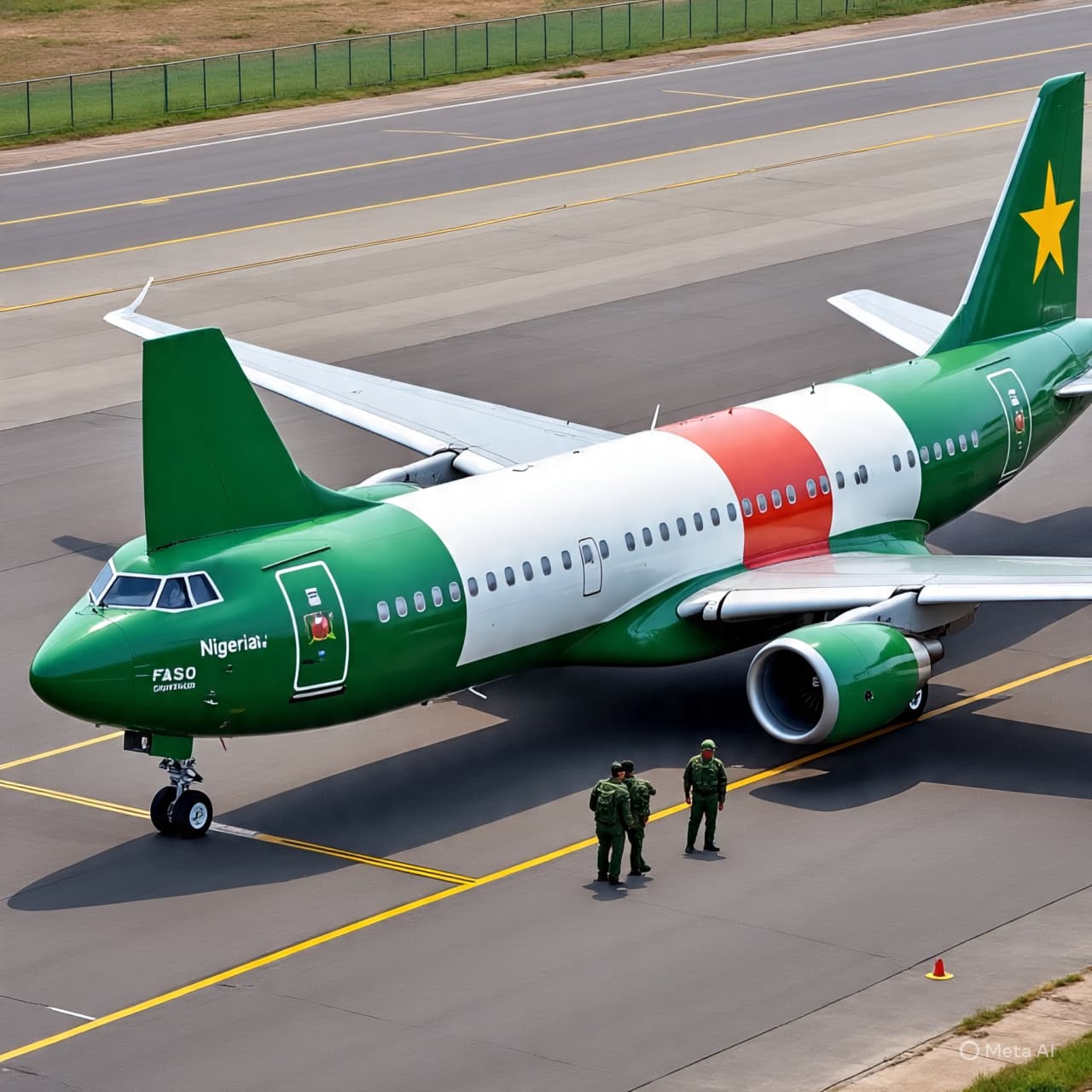
[Incident Overview] In a recent diplomatic incident, a Nigerian Air Force C-130 aircraft carrying 11 military personnel made an emergency landing in Bobo-Dioulasso, Burkina Faso, on December 8, 2025. The landing was necessitated by a technical issue while the aircraft was en route to Portugal for maintenance. Although Nigeria's military asserted that the landing adhered to international safety protocols, Burkina Faso's military government perceived it as an unauthorized breach of airspace, leading to the detention of the crew. This incident unfolded against a backdrop of heightened regional tensions, particularly following a coup attempt in neighboring Benin, which had seen Nigerian forces intervene.
[Diplomatic Efforts] The situation escalated as the fate of the 11 servicemen remained uncertain for several days, drawing attention from both Abuja and the broader West African community. In response, Nigeria's government initiated diplomatic engagement, dispatching Foreign Affairs Minister Yusuf Tuggar to Ouagadougou. During his visit, Tuggar met with Burkina Faso's junta leader, Captain Ibrahim Traoré, and other officials. The discussions aimed to balance respect for Burkina Faso's sovereignty with appeals to the long-standing ties and shared security interests between the two nations.
[Resolution of the Standoff] On December 18, 2025, the diplomatic standoff reached a resolution when Burkina Faso agreed to release the detained crew and the C-130 aircraft. The servicemen returned home safely, marking a significant diplomatic victory for Nigeria. In a public statement, Minister Tuggar expressed Nigeria's regret over the irregularities surrounding the aircraft's entry into Burkinabe airspace, emphasizing that the landing was not intended as a provocation. In turn, Burkina Faso reaffirmed its commitment to enhanced diplomatic consultations and regional cooperation.
[Significance of the Incident] This incident underscores the importance of sustained dialogue in resolving sensitive diplomatic issues. Both Nigeria and Burkina Faso highlighted that the matter was resolved through communication rather than confrontation, showcasing the role of diplomacy in defusing potential conflicts. Nigeria's apology, while acknowledging procedural shortcomings, served as a gesture aimed at preserving and enhancing bilateral relations in a region where mutual respect and clear communication are vital for stability.
[Broader Implications] The peaceful resolution of this incident reflects broader tensions and alliances within West Africa, particularly between established regional blocs like ECOWAS and newer entities such as the Alliance of Sahel States. It serves as a reminder that even amidst disagreements, diplomatic channels can guide potential conflicts toward collaborative understanding, reinforcing the value of dialogue in international relations.
Published by Banx Network. This article is part of the Banx decentralized media programme, powered by the BXE token on the XRP Ledger.



