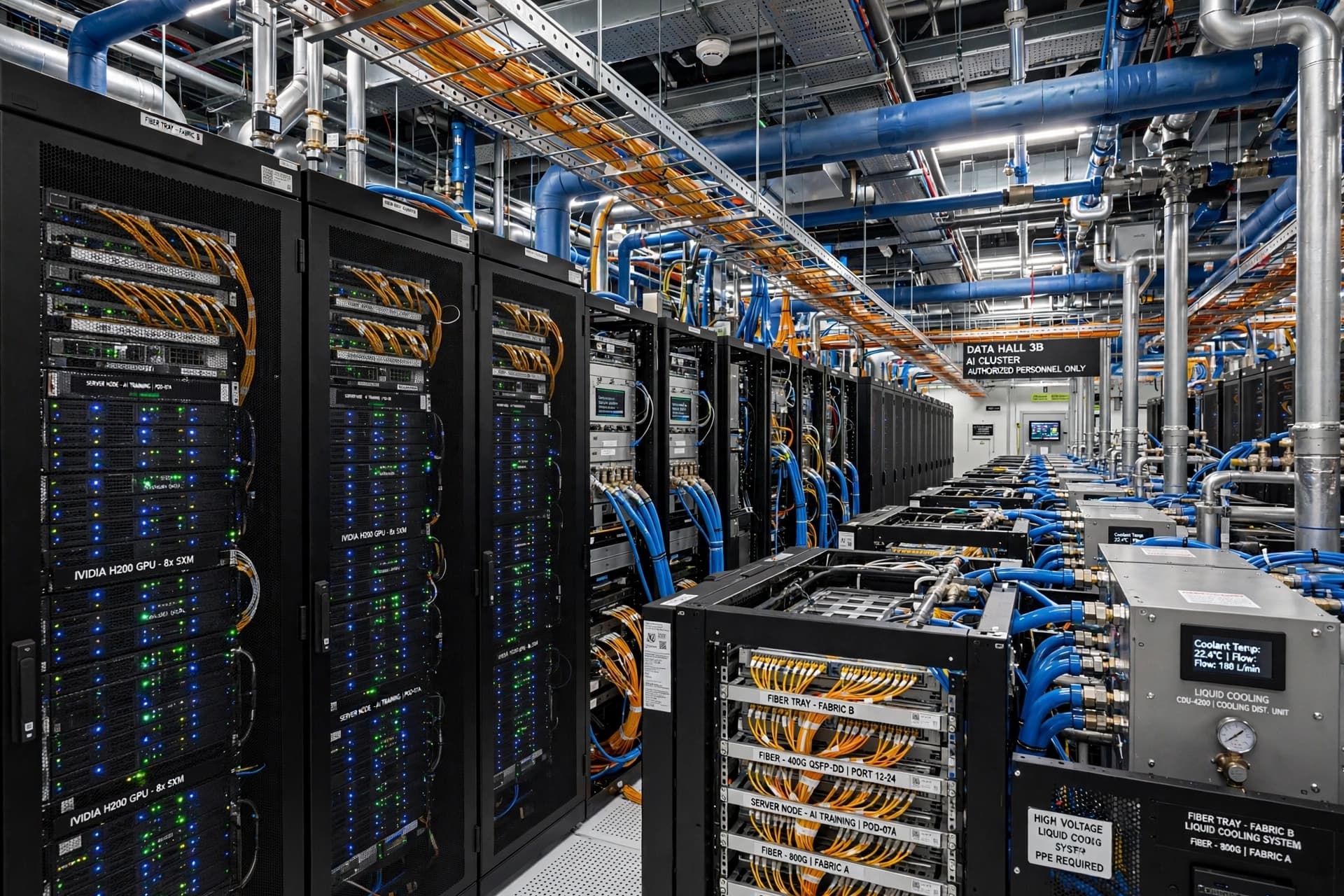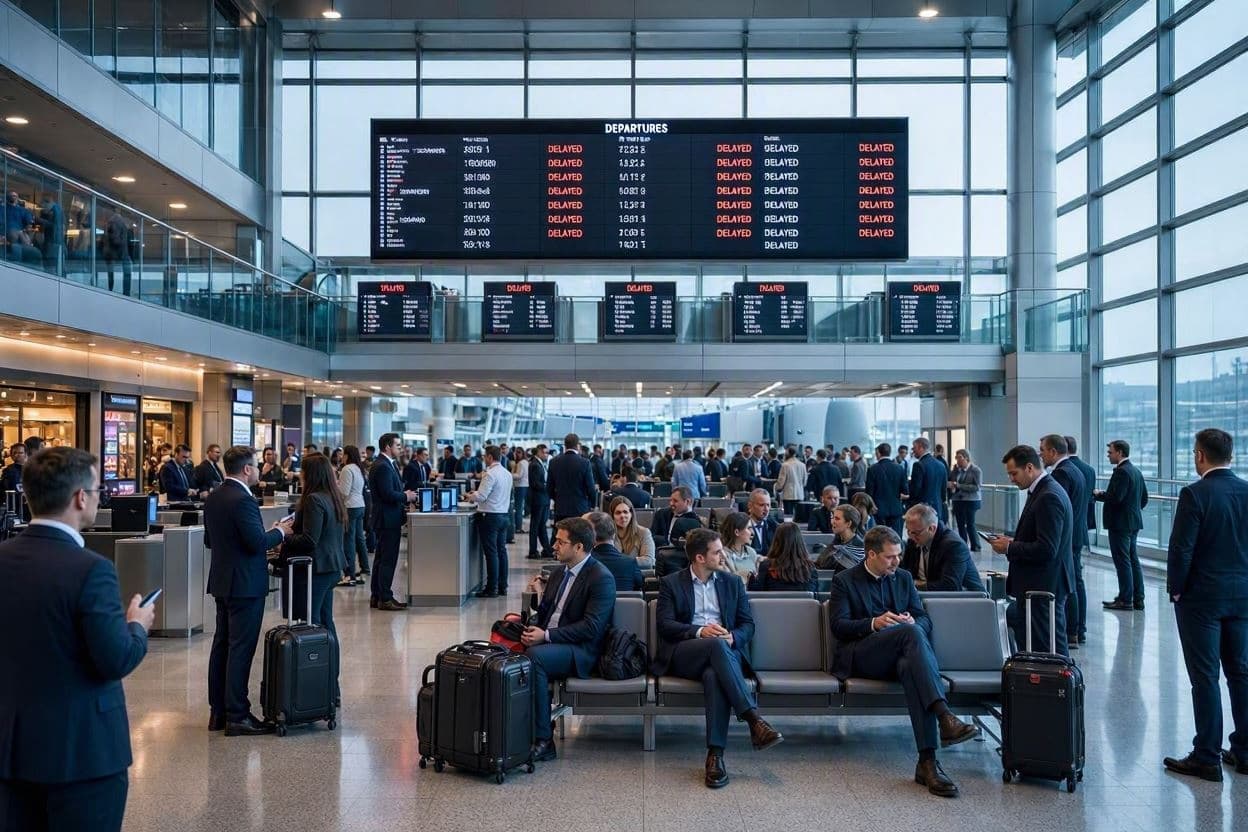
The skies above the United Kingdom, usually a bustling network of connections linking cities and continents, were thrown into chaos once again by a technical failure in air traffic control systems. For the second time in recent weeks, a software glitch caused widespread flight cancellations and delays, stranding thousands of passengers and frustrating airlines. The incident has sparked sharp criticism from industry leaders, who argue that the infrastructure supporting modern aviation is failing to keep pace with demand. It is a disruption that ripples through economies and personal plans alike.
National Air Traffic Services (NATS), the provider responsible for managing UK airspace, acknowledged the issue and worked to restore normal operations. However, the recurrence of such failures within a short period has raised questions about reliability and investment. Airlines, including major carriers like Ryanair and British Airways, expressed their frustration, labeling the situation as "unacceptable." For an industry operating on tight margins and schedules, even minor disruptions can have significant financial impacts.
Passengers bore the brunt of the inconvenience, facing long waits, missed connections, and uncertainty. Airports became scenes of congestion, with staff struggling to manage rebooking and customer service demands. The emotional toll of travel disruption is often underestimated, adding stress to already busy lives. For many, the promise of seamless travel feels increasingly fragile. Trust is hard to build and easy to lose.
The root cause of the glitches appears to be related to legacy software systems that require modernization. While technology advances rapidly in other sectors, critical infrastructure often lags behind due to cost and complexity. Upgrading these systems is a massive undertaking, requiring careful planning to avoid further disruptions. The current situation highlights the urgency of this task. Investment in infrastructure is investment in stability.
Government officials have called for inquiries into the incidents, seeking answers and assurances that measures are being taken to prevent future occurrences. The economic cost of flight disruptions extends beyond airlines to tourism, business, and supply chains. A reliable aviation sector is vital for national prosperity. Ensuring its resilience is a public priority.
Industry experts suggest that diversification of systems and better redundancy protocols could mitigate risks. Relying on a single provider or technology creates vulnerabilities that can be exploited by unforeseen errors. Learning from other countries’ models may offer solutions. Collaboration between public and private sectors is key to innovation.
For travelers, the experience serves as a reminder of the complexities behind every flight. The seamless journey is the result of intricate coordination, which can falter under pressure. Patience and understanding are necessary, but so is accountability. Consumers expect reliability, and providers must deliver.
In the end, the air traffic control glitches are a wake-up call for the aviation industry. They highlight the need for robust, modern infrastructure to support growing demand. As investigations continue, the hope is for tangible improvements that restore confidence. The sky should be a place of freedom, not frustration.
AI Image Disclaimer: The visual aids included here are AI-generated illustrations depicting airport scenes and technical systems, not actual photographs of specific control rooms or stranded passengers.
Sources: BBC News Sky News The Guardian
Published by Banx Network. This article is part of the Banx decentralized media programme, powered by the BXE token on the XRP Ledger.