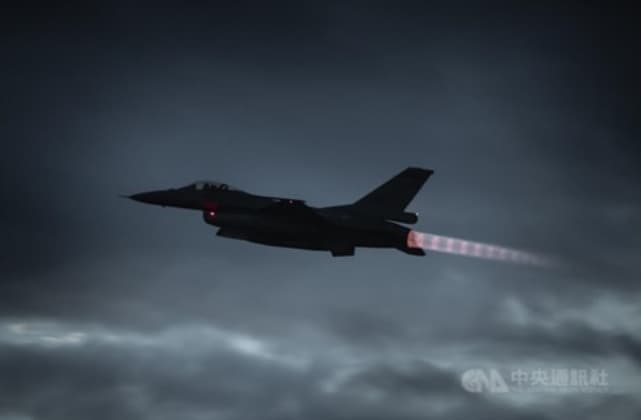
The U.S. Air Force is pushing for a faster timeline in the development of advanced collision-avoidance systems following a recent incident involving an F-16V fighter jet. This event has raised critical concerns regarding aerial safety and the need for more effective technological solutions in military aviation.
The Air Force highlighted that the collision-avoidance system could significantly reduce the risk of mid-air incidents, thereby protecting both military personnel and civilians. These systems are designed to provide real-time alerts to pilots about potential collisions, allowing for timely evasive actions.
Officials are calling for prioritization of these systems in the defense budget, advocating that improved technology is essential for enhancing operational safety and efficiency in increasingly congested airspaces. The F-16V incident serves as a wake-up call, illustrating the potential dangers inherent in military flight operations without adequate collision-avoidance measures.
Moreover, the Air Force is collaborating with defense contractors and tech firms to explore innovative solutions that could be integrated into current and future aircraft. This collaborative approach aims to leverage cutting-edge technologies such as artificial intelligence and advanced sensors to create more robust safety systems.
As discussions continue, stakeholders in military and defense sectors are expected to monitor the outcomes of these recommendations closely. There is a consensus that swift action on this front is crucial, especially in light of increasing operational demands and complexities in aerial warfare. Further updates are anticipated as the Air Force moves forward with its initiatives to enhance flight safety and mitigate risks in military aviation.
Published by Banx Network. This article is part of the Banx decentralized media programme, powered by the BXE token on the XRP Ledger.