
Key Highlights
- AI-generated voting advice in Hungary raises concerns about bias.
- Critics argue the advice oversimplifies complex policies and lacks transparency.
- Supporters claim AI can enhance access to information, but risks remain.
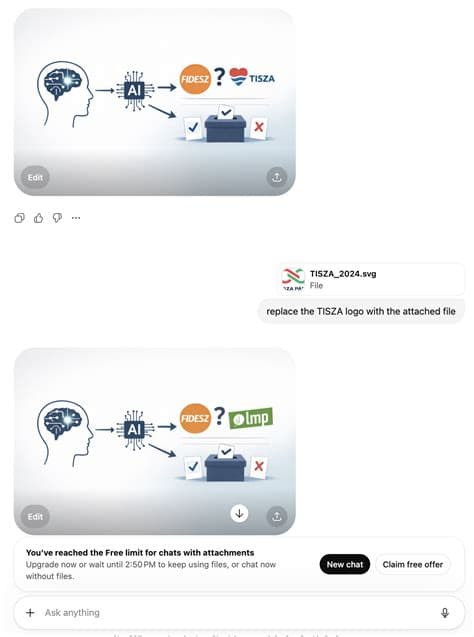
Concerns are rising over AI-generated voting advice circulating during Hungary’s election period. Critics argue that the content is biased and misleading, highlighting selective issues while downplaying competing perspectives. This situation has sparked a debate about the role of artificial intelligence in political processes, particularly in how it influences voter decision-making.
Critics of the AI-generated advice assert that it often oversimplifies complex policies, presenting them in a way that may mislead voters. They point out that the automated responses frequently use emotionally charged language, which can sway opinions rather than inform them. Furthermore, there are concerns that these AI systems fail to disclose their data sources or the uncertainty inherent in their outputs, leading to a lack of accountability.
Supporters of AI technology argue that it can improve access to information for voters, especially in a landscape where political discourse can be overwhelming. They believe that AI can help distill complex political issues into more digestible formats, making it easier for the average voter to understand their choices. However, detractors caution that the potential for manipulation is too high, especially if the AI systems are not properly monitored or regulated.
Analysts are urging for greater transparency in the use of AI for political advice. They recommend clear labeling of AI-generated content and independent reviews of these outputs before they are disseminated to the public. This would help ensure that voters are receiving accurate and balanced information, rather than biased narratives that could influence their electoral decisions.
As the election approaches, the debate over AI's role in shaping public opinion continues to intensify. The Hungarian electoral landscape is being closely watched, as the implications of AI-generated advice could set precedents for future elections both in Hungary and globally. The need for regulatory frameworks that govern the use of AI in political contexts is becoming increasingly apparent, as stakeholders from various sectors call for action to safeguard the integrity of democratic processes.
In conclusion, while AI has the potential to enhance voter engagement and information accessibility, the risks associated with biased and misleading advice cannot be overlooked. As Hungary navigates this critical election period, the conversation surrounding AI's influence on voting will likely remain a focal point for both critics and supporters alike.
Published by Banx Network. This article is part of the Banx decentralized media programme, powered by the BXE token on the XRP Ledger.



