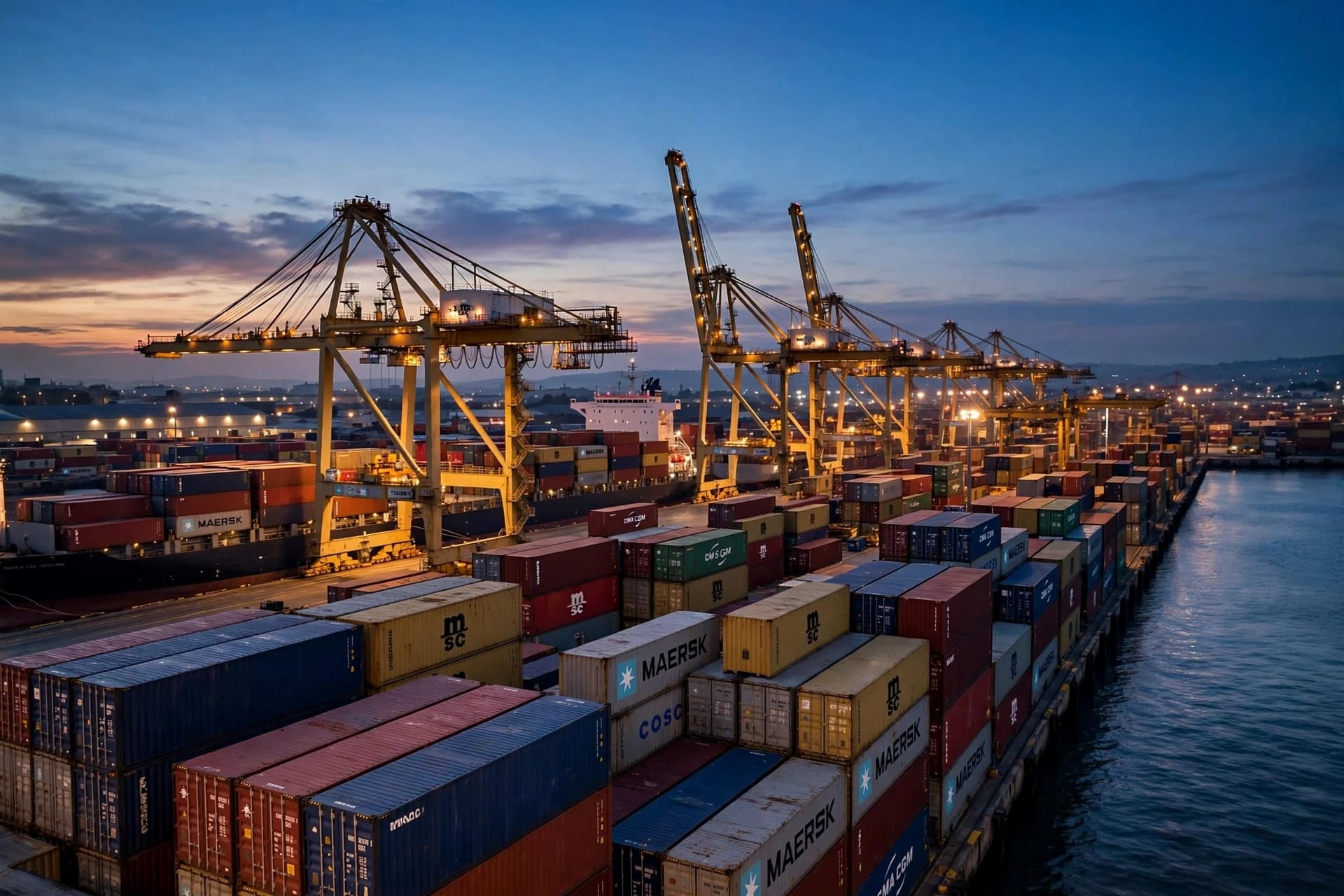
Artificial intelligence is rapidly becoming one of the most important technologies shaping the global economy, but the World Bank is asking a crucial question: will AI reduce the gap between richer and poorer countries, or make that gap even larger? The debate matters because access to AI is not evenly distributed. Wealthier economies generally have stronger digital infrastructure, larger pools of highly trained workers, greater access to computing power and more companies capable of investing heavily in new technologies. Developing economies often face limitations in internet access, electricity, digital skills, financing and data infrastructure. The World Bank's 2026 World Development Report highlights this tension, questioning whether AI will narrow global inequalities or widen them. � 24e532a6-3e36-4bf9-be8b-811b20da5e36.jpeg AI could provide developing countries with an opportunity to move faster than previous technological transitions. A small business can potentially use AI-powered tools for translation, accounting, marketing, customer service, research and software development without building those capabilities entirely from scratch. Governments could also use AI to improve public administration, education and healthcare. In countries where professional resources are limited, digital tools could potentially extend expertise to more people. But the opposite outcome is also possible. If advanced AI systems remain concentrated among a small number of wealthy countries and corporations, the economic advantages could accumulate where computing infrastructure and skilled workers already exist. Electricity is another important factor. Modern AI systems require significant computing resources, and those resources depend on reliable power and data-centre infrastructure. Countries struggling with basic electricity access could find it difficult to compete in an AI-driven economy. Education may ultimately determine how much of the opportunity developing countries capture. Young populations can become a major advantage if students gain the technical and analytical skills required to work alongside increasingly capable AI systems. The issue is therefore not simply whether AI exists. It is whether people and businesses around the world can actually access and use it productively. The World Bank's question captures one of the biggest economic debates of the coming decade: whether AI becomes a tool that distributes opportunity more widely, or another technology that concentrates wealth among those already best positioned to benefit.
Published by Banx Network. This article is part of the Banx decentralized media programme, powered by the BXE token on the XRP Ledger.