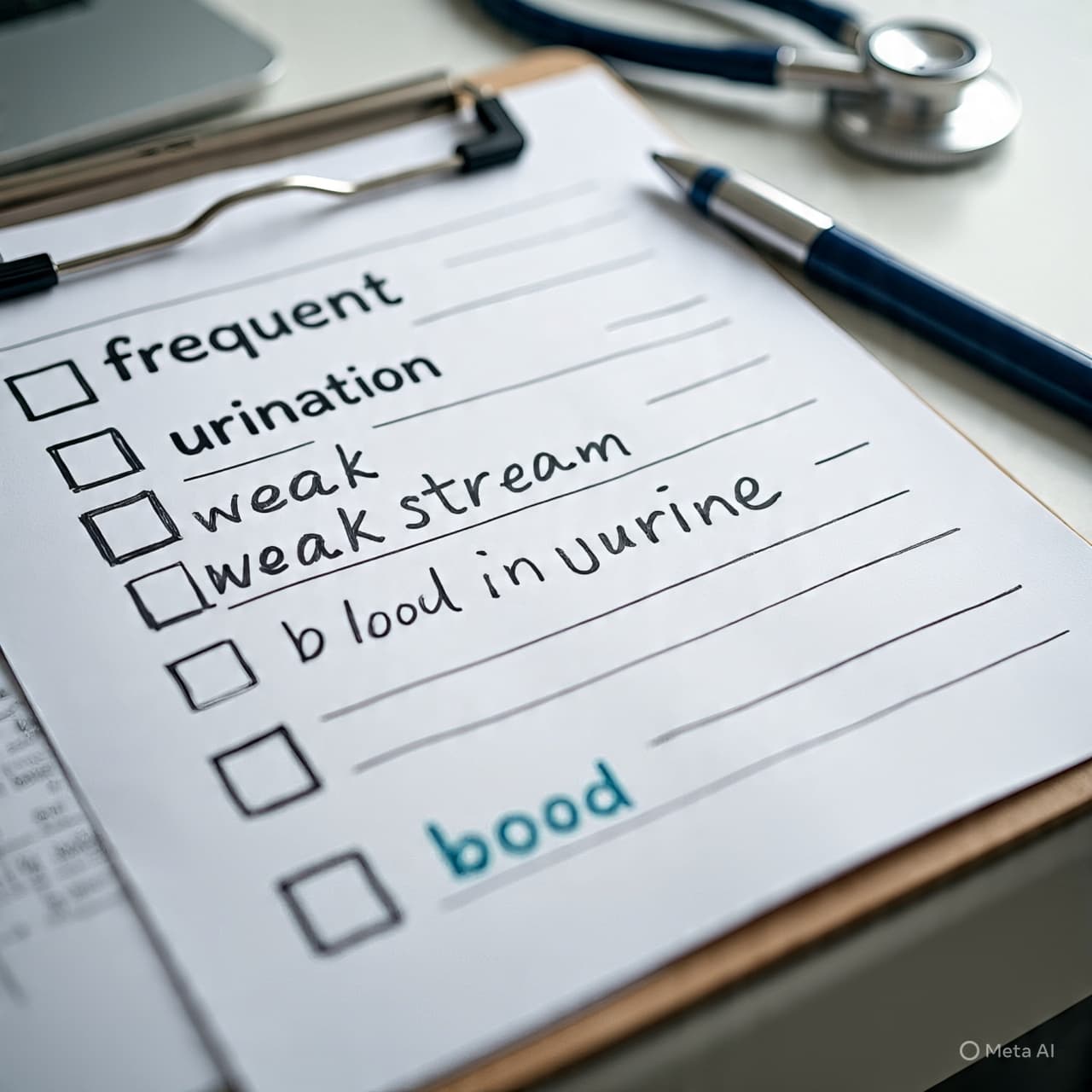
In the quiet transitions of life, when years accumulate like leaves along a garden path, the body begins to speak in softer tones — subtle nudges that can be easy to overlook. For many aging men, an extra trip to the bathroom at night or a shift in urinary rhythm feels almost poetic, part of that unwritten chapter “getting older.” Yet within those gentle changes may lie whispers of something more, signs that deserve attention beyond mere acceptance. Prostate cancer, one of the most common cancers among men, often begins without dramatic flourish, its early symptoms sighing rather than shouting, easily mistaken for the benign patterns of aging or other non‑cancerous conditions.
Doctors remind us that nerves and tissues near the prostate are intimately tied to functions that many people associate with aging: urination, sexual response, and even the simple comfort of sitting. Slow or weak urine flow, frequent urges — especially at night — or the feeling that the bladder never quite fully empties can feel like companions of age, escaping notice until they persist or gently worsen. These sensations also rank among prostate cancer’s most common early signs, a reminder that what feels ordinary may sometimes mask something less so.
In a conversation with medical professionals, the line between normal prostate enlargement and potential malignancy can seem like a soft horizon. Enlarged prostate due to benign prostatic hyperplasia (BPH) — a very common, non‑cancerous condition — shares many of the same signs: slowed urine stream, frequent bathroom visits, and hesitation at the start of urination. Yet persistent symptoms should prompt thoughtful reflection and, importantly, a discussion with a healthcare provider.
There are other cues that may emerge from the shadows of everyday experience. Unexplained blood in the urine or semen, pelvic discomfort, or even emerging issues with sexual function are less common but worthy of careful attention. These signs may start softly, almost blending into what many assume is the background noise of aging, but they can carry meaning worth exploring with a professional.
Ultimately, knowing the difference often begins with curiosity — a willingness to notice shifts in one’s own body and consider whether they deserve a closer look. Early detection remains one of the strongest tools against prostate cancer, and while many subtle changes are benign, a thoughtful conversation with a doctor and appropriate screening tools, such as prostate‑specific antigen (PSA) testing, can illuminate the path forward.
AI Image Disclaimer “Images in this article are AI‑generated illustrations, meant for concept only.”
Sources Times of India Business Standard MD Anderson Cancer Center Cleveland Clinic MSD Manuals
Published by Banx Network. This article is part of the Banx decentralized media programme, powered by the BXE token on the XRP Ledger.