In the dry heat of the Australian summer, the wind carries more than just dust; it carries the scent of danger. For residents of Victoria, the threat of bushfire is a recurring shadow, one that demands constant vigilance and preparation. As flames once again edge closer to towns, the community braces for the test of resilience that defines life in fire-prone regions.
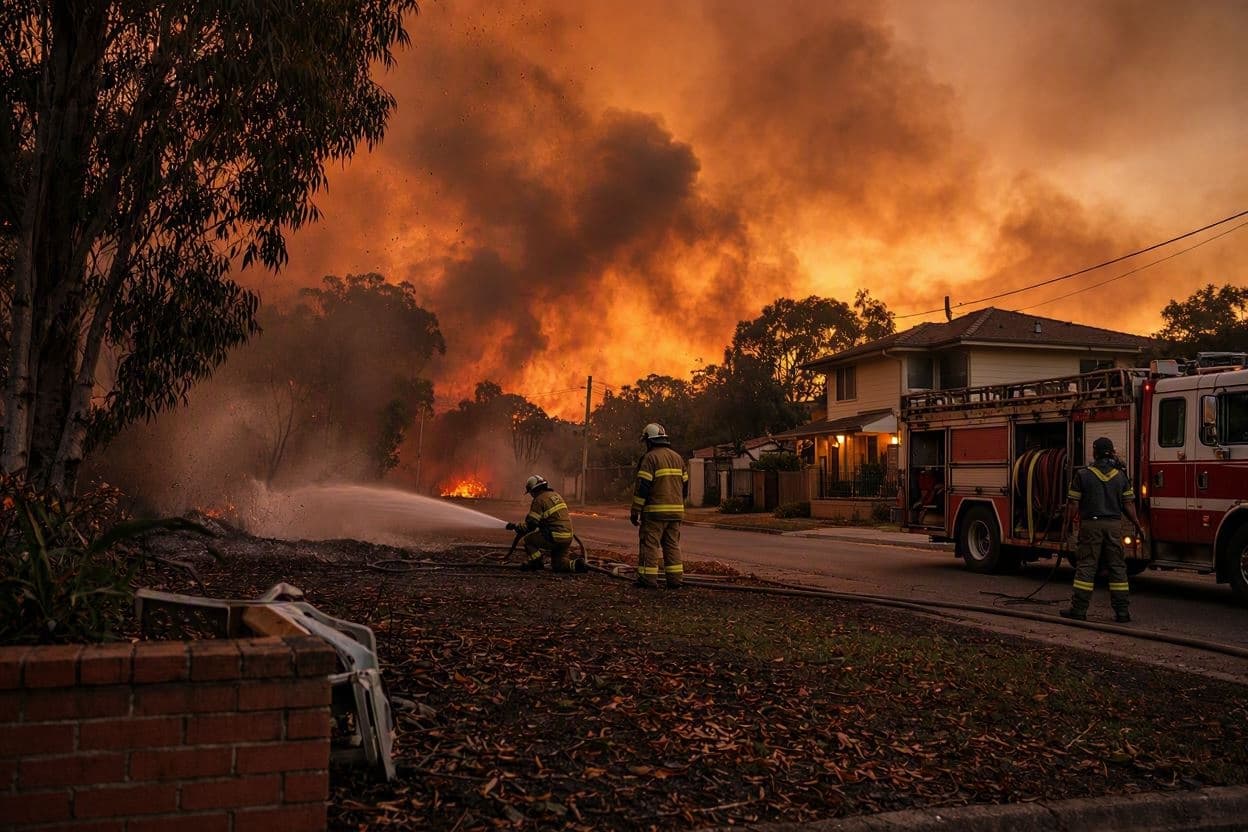
Recent reports indicate that bushfires are threatening several towns in Victoria, driven by extreme heat and strong winds. Firefighters have been working tirelessly to contain the blazes, which have already consumed thousands of hectares of land. The situation remains dynamic, with emergency warnings issued for specific areas to ensure public safety.
The 2025–26 bushfire season has been particularly intense, following a pattern of hotter and drier conditions linked to climate change. Authorities have declared states of disaster in some regions, mobilizing additional resources and personnel to combat the fires. The scale of the response reflects the seriousness of the threat and the potential for rapid escalation.
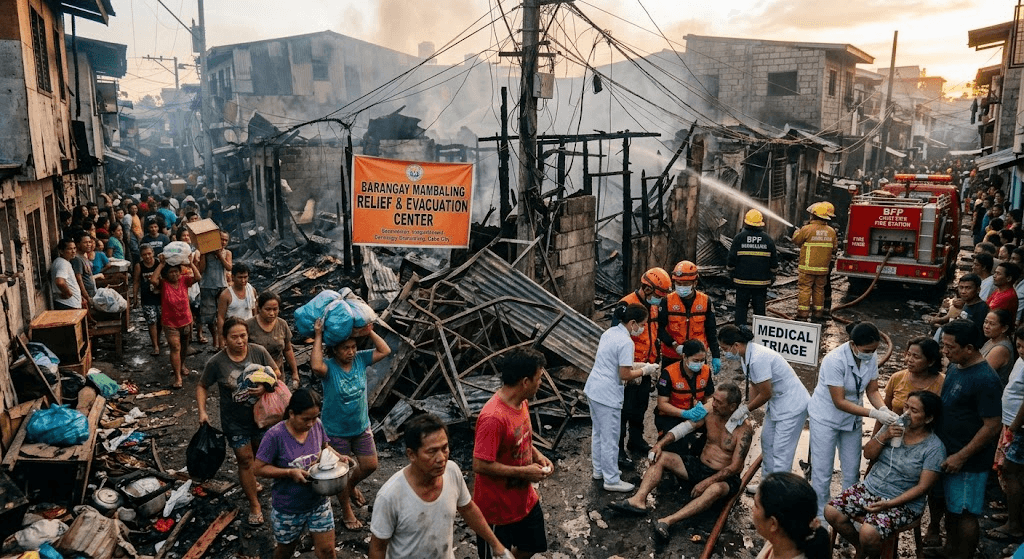
Residents in affected areas have been urged to follow their bushfire survival plans, staying informed through official channels and preparing to evacuate if necessary. Community halls and evacuation centers have been opened to provide shelter and support for those displaced by the fires. The coordination between emergency services and local governments is crucial in managing the crisis.
The impact on property and infrastructure has been significant, with hundreds of structures destroyed in recent weeks. Power outages and road closures have further complicated relief efforts, isolating some communities and delaying access to essential services. Despite these challenges, the spirit of mutual aid remains strong, with neighbors helping neighbors in times of need.
Environmental experts warn that such severe fire seasons may become more common as global temperatures rise. This reality underscores the importance of long-term strategies for fire management, including controlled burns, forest maintenance, and urban planning that accounts for fire risk. Adaptation is no longer optional but essential for survival.
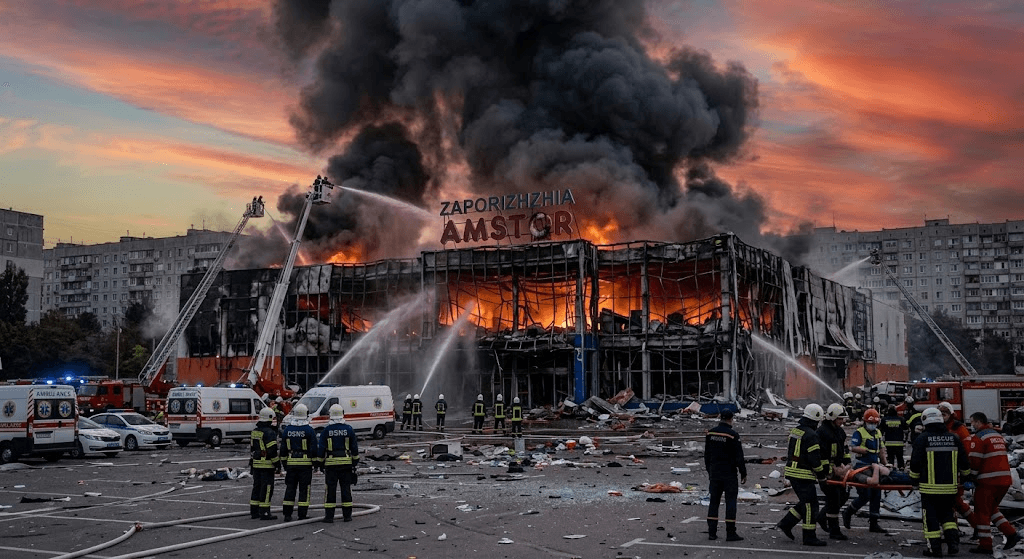
As the fires continue to burn, the focus remains on protecting lives and minimizing damage. Firefighters face dangerous conditions, often working in extreme heat and smoke-filled environments. Their bravery and dedication are a testament to the human capacity to confront natural disasters with courage and skill.
Victorian authorities continue to monitor the situation closely, updating warnings as conditions change. The community remains united in its effort to withstand the flames, hoping for rain and relief in the days ahead.
AI Image Disclaimer: Visuals for this report are AI-generated interpretations designed to convey the intensity of the bushfire threat and the resilience of emergency responders.
Sources: The Guardian Australia, Reuters, VicEmergency, NEMA
Published by Banx Network. This article is part of the Banx decentralized media programme, powered by the BXE token on the XRP Ledger.