

Key Highlights
- Renewed Ebola outbreak:Central Africa faces a resurgence of Ebola, prompting urgent health responses.
- Global mobilization:The World Health Organization and partners deploy resources to combat the outbreak.
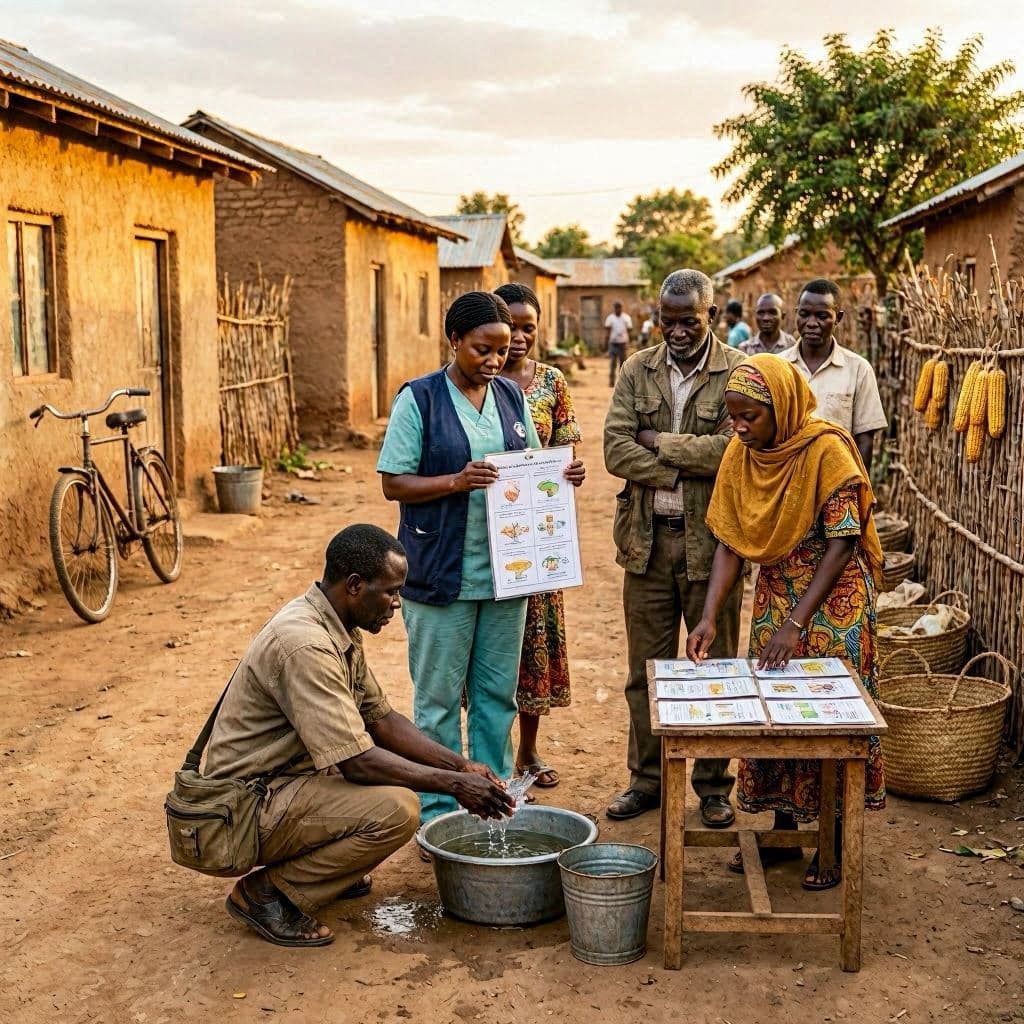
- Community engagement:Local leaders and health workers collaborate to enhance prevention efforts.
Public health emergencies often begin quietly, emerging in distant communities before attracting global attention. In Central Africa, health authorities are once again confronting the difficult challenge posed by a renewed Ebola outbreak. This resurgence has raised alarms within the global health community, prompting immediate action to prevent further spread.
The World Health Organization (WHO) and its international partners have expanded response efforts, deploying medical teams, laboratory support, and emergency resources to the affected regions. These actions are critical as health officials prioritize rapid detection of cases, patient isolation, contact tracing, and community outreach. Historically, these measures have played a crucial role in limiting Ebola transmission during previous outbreaks, and their implementation is vital in the current situation.
Medical experts emphasize that significant advances have been made in recent years regarding Ebola response capabilities. Improvements in diagnostics, surveillance systems, and vaccine availability have strengthened the ability of health agencies to respond more effectively to outbreaks. For instance, the availability of an effective vaccine has changed the landscape of Ebola management, allowing for preemptive vaccination of at-risk populations.
International organizations are working alongside national governments to provide treatment facilities, medical supplies, and logistical support. However, remote geography and limited infrastructure continue to present operational challenges. Many affected areas are difficult to access, complicating the delivery of essential health services and resources. This underscores the need for innovative solutions to overcome logistical hurdles in remote regions.
Community engagement remains a key element of the response strategy. Health workers have been collaborating with local leaders to improve awareness and encourage public participation in prevention efforts. Previous outbreaks demonstrated that misinformation can complicate containment efforts. As a result, public communication campaigns have become an essential component of emergency health responses, aiming to educate communities about the disease and dispel myths that could hinder response efforts.
Neighboring countries have also increased surveillance at border crossings and healthcare facilities in an effort to minimize the risk of cross-border transmission. This proactive approach is crucial in a region where diseases can easily spread across borders, highlighting the importance of regional cooperation in public health.
Health authorities stress that continued international cooperation will be necessary until transmission chains are interrupted and the outbreak is successfully contained. The collaborative efforts of global health networks, national governments, and local communities will be vital in addressing this renewed threat and ensuring that lessons learned from past outbreaks inform current strategies.
Published by Banx Network. This article is part of the Banx decentralized media programme, powered by the BXE token on the XRP Ledger.




