Key Highlights
- Global real estate is showing signs of recovery after years of uncertainty.
- Demand for residential properties remains strong despite affordability concerns.
- Commercial real estate is evolving with new workplace patterns and consumer behavior.
The global real estate market has long been a barometer of economic health, reflecting shifts in confidence, population dynamics, and societal trends. In recent years, however, the sector has faced significant challenges, including rising interest rates, escalating construction costs, and pervasive economic uncertainty. As a result, many investors and industry leaders have approached the market with caution. Yet, recent indicators suggest a potential recovery is on the horizon, sparking cautious optimism among stakeholders.
Rather than a swift return to pre-pandemic conditions, the global real estate sector appears to be entering a phase of gradual adjustment. Developers, investors, and buyers are learning to navigate a new landscape where factors such as affordability, sustainability, and long-term value are paramount. This shift is reshaping how properties are developed, marketed, and sold.
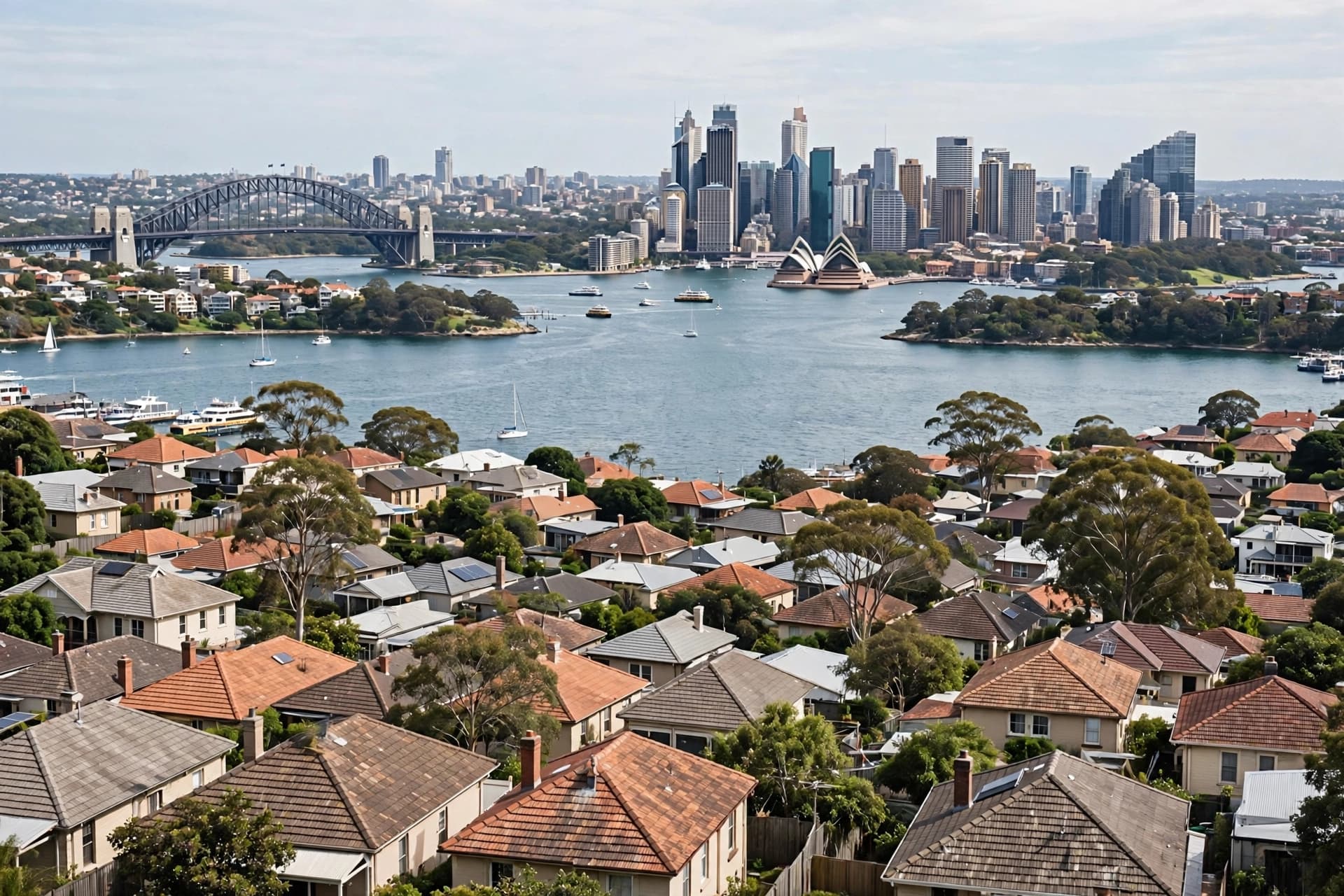
Residential real estate continues to be a focal point for many markets. Demand for housing remains robust, driven by factors such as population growth, urbanization, and evolving buyer preferences. However, affordability issues persist in major urban centers, where rising prices have outpaced wage growth. This has led to increased scrutiny of housing policies and a push for more affordable housing solutions.
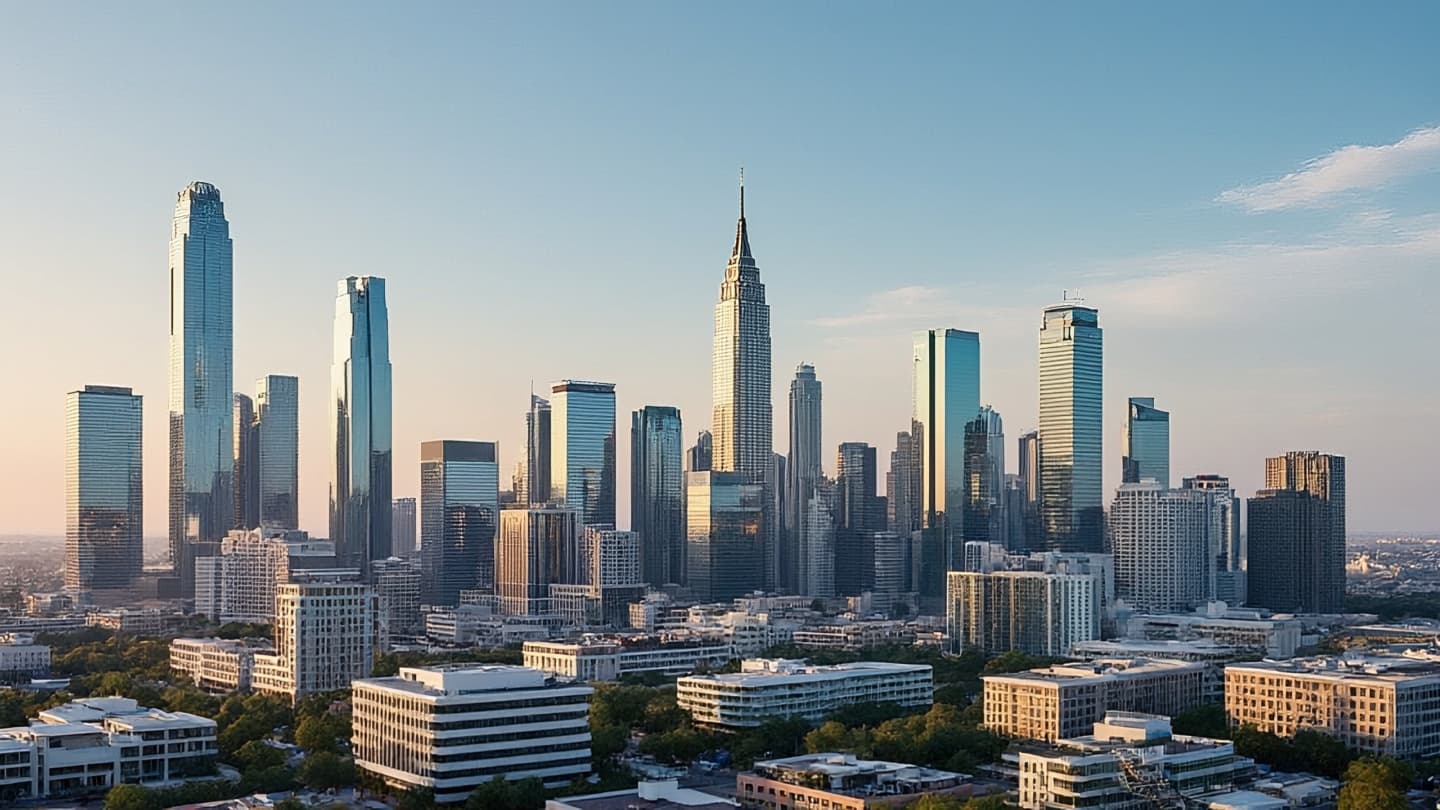
On the commercial side, the landscape is undergoing a transformation. Office spaces, retail properties, and mixed-use developments are being reimagined as businesses adapt to new workplace norms and changing consumer behaviors. The rise of remote work has prompted many companies to rethink their real estate needs, leading to a reevaluation of office space requirements and a greater emphasis on flexible work environments.
Investors are increasingly prioritizing properties that demonstrate long-term resilience. Buildings that incorporate energy-efficient designs, modern amenities, and prime locations are becoming more attractive as the market evolves. This trend reflects a broader shift towards sustainability, with many investors recognizing the importance of environmentally responsible development practices.
Experts in the real estate sector suggest that the recovery trajectory will differ across regions. Some markets may rebound more quickly due to favorable economic conditions, while others may take longer to stabilize. This uneven recovery underscores the need for investors to remain vigilant and adaptable in their strategies.
Technology is playing a pivotal role in the evolution of the property industry. Digital platforms, smart building technologies, and data analytics are increasingly being utilized by developers and investors to enhance decision-making processes. These innovations are helping stakeholders to better understand market dynamics and consumer preferences, ultimately driving more informed investment choices.
As the global real estate market continues to adjust, adaptability will be key. The industry is moving towards a new era where sustainability, innovation, and responsible development are not just trends but essential components of successful real estate strategies. Stakeholders who embrace these changes are likely to thrive in the evolving landscape of global real estate.
Published by Banx Network. This article is part of the Banx decentralized media programme, powered by the BXE token on the XRP Ledger.