
Journeys are usually measured in miles traveled and horizons crossed. Yet for a group of American cruise passengers, the final stretch of their voyage was marked not by distant landscapes, but by weeks spent in careful isolation, where patience became as important as medicine.
Health officials announced that the final American passengers quarantined in Nebraska following exposure to a rare hantavirus outbreak aboard the expedition cruise ship MV Hondius have completed their monitoring period and returned home. The development marks the conclusion of the United States' quarantine response to the unusual outbreak.
A total of 18 U.S. passengers were monitored at the National Quarantine Unit at the University of Nebraska Medical Center in Omaha after traveling aboard the vessel, which experienced an outbreak linked to the Andes strain of hantavirus. The outbreak resulted in 13 confirmed cases and three deaths among passengers.
The Andes virus is considered unusual because, unlike many other hantaviruses, it has demonstrated limited person-to-person transmission. Public health officials therefore required exposed passengers to undergo a 42-day observation period, reflecting the virus's known incubation timeline.
Sixteen Americans initially arrived in Omaha in May, while additional passengers entered quarantine later. Some individuals completed portions of their monitoring at home under state supervision, while others remained in Nebraska for the entire observation period.
The quarantine effort drew national attention after reports emerged that at least one passenger challenged the requirement to remain isolated despite showing no symptoms. Nevertheless, federal health authorities maintained that extensive monitoring was necessary to minimize any potential public health risk.
Officials reported that no cases of hantavirus disease were identified among the quarantined Americans, and no secondary infections linked to the group occurred in the United States. Health authorities described the response as a successful example of cooperation among federal, state, and local agencies.
Medical experts noted that the experience may inform future responses to rare infectious disease events involving international travel, particularly in settings where transmission patterns remain uncertain.
With the final passengers now released, the quarantine chapter has quietly closed, leaving behind lessons about vigilance, scientific caution, and the resilience required during prolonged public health responses.
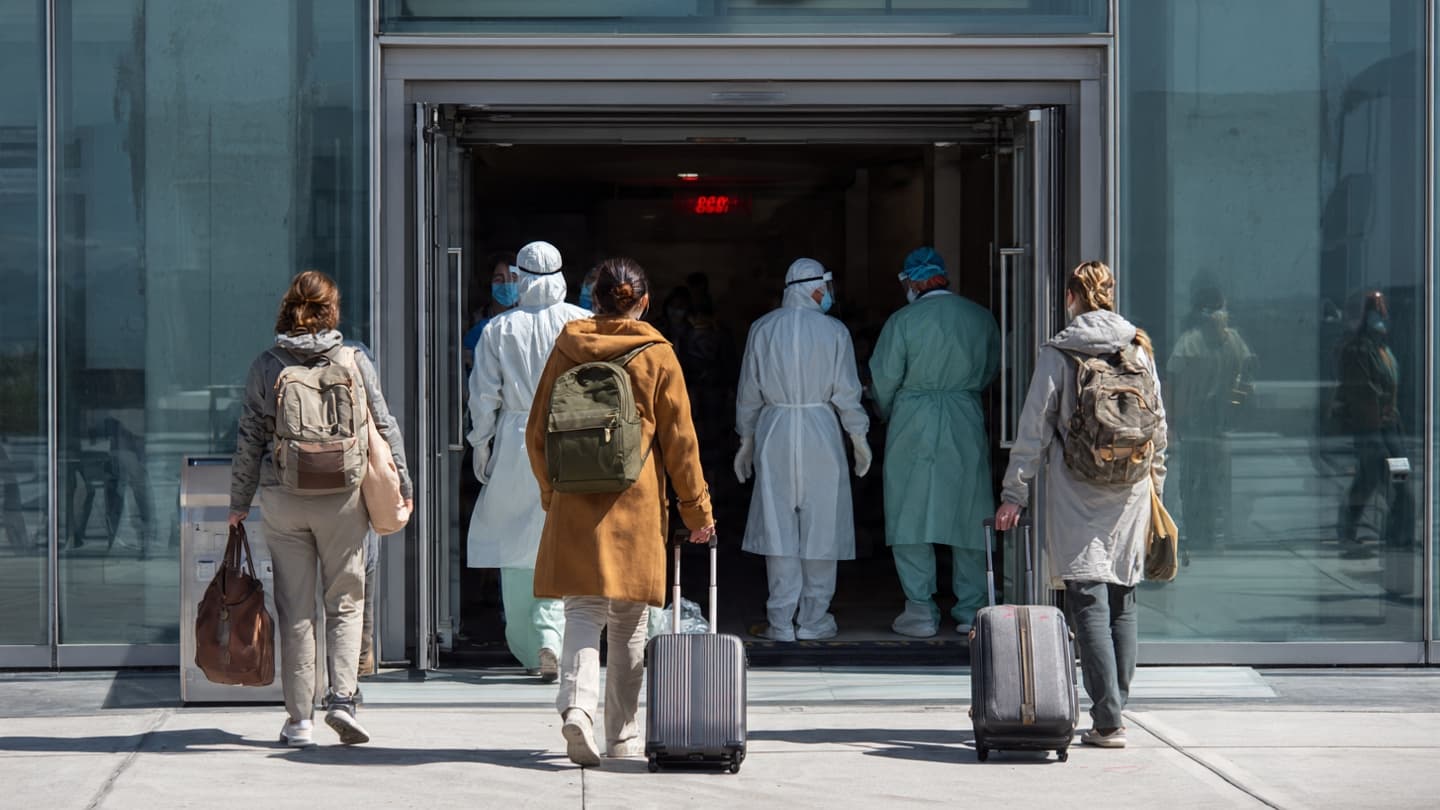
AI Image Disclaimer: The accompanying visuals are AI-generated illustrations created to represent the events described and are not actual photographs.
Sources (verification check): Associated Press, Reuters, University of Nebraska Medical Center, Centers for Disease Control and Prevention
Note: This article was published on BanxChange.com and is powered by the BXE Token on the XRP Ledger. For the latest articles and news, please visit BanxChange.com