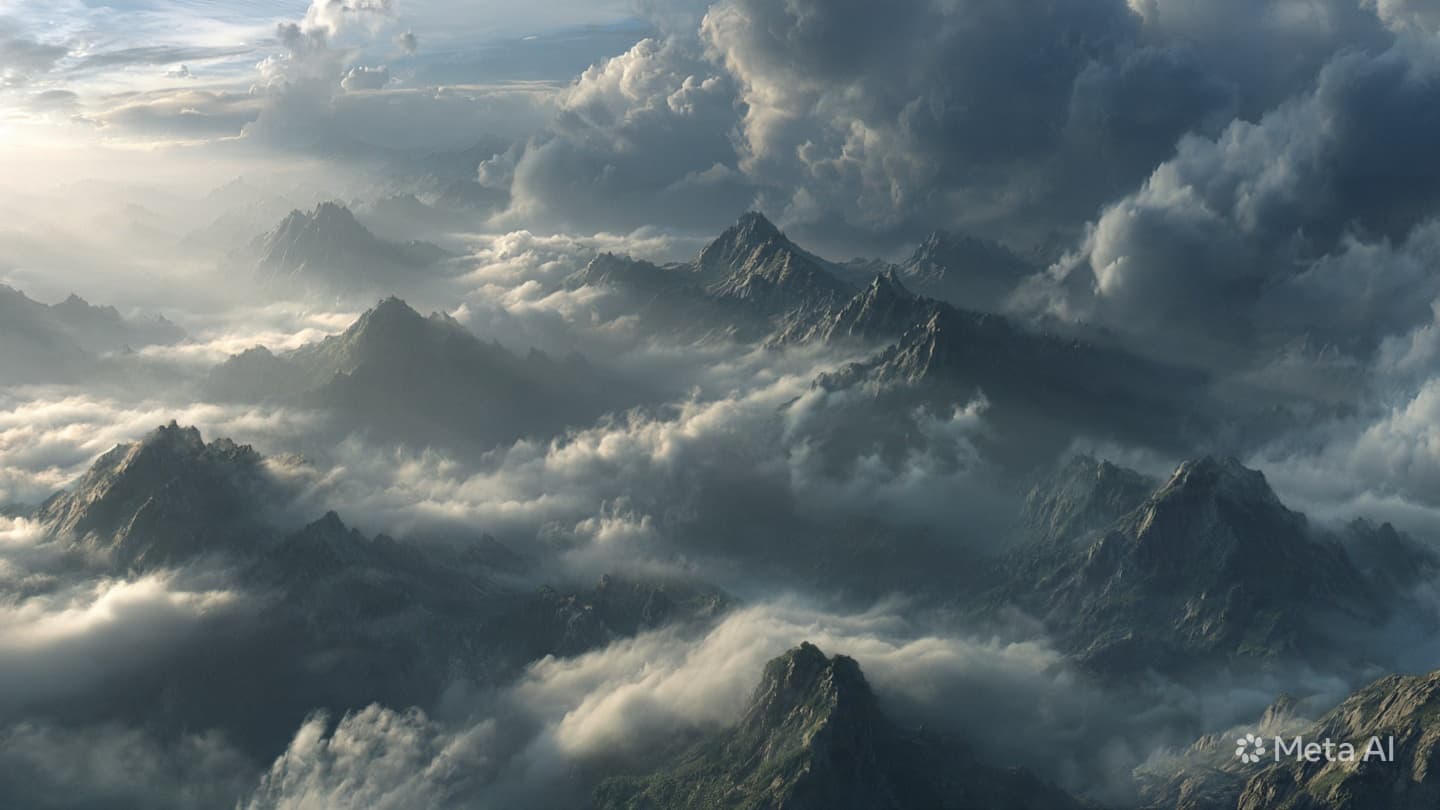
The Carpathian Mountains have always held a duality—a vast, majestic stillness that invites the curious and a volatile temperament that demands respect from those who tread upon their slopes. When the skies darken and the wind begins to howl through the narrow passes, the mountains cease to be a playground and reveal their more austere, uncompromising character. In recent weeks, this change in temper has been sudden and severe, catching many unaware as the familiar trails were transformed into traps of mist, ice, and biting cold.
The surge in rescue operations is not merely a statistical anomaly; it is a reflection of the profound fragility inherent in human ambition when faced with the raw force of nature. As weather patterns shift with increasing unpredictability, the high-altitude regions have become theaters of endurance. Hikers, perhaps drawn by the allure of a clear morning, have found themselves enveloped by storms that descend with the speed of a closing door. The resulting distress signals have echoed off the granite walls, summoning teams of rescuers who know these peaks not as landscapes, but as treacherous, shifting realities.
These responders, often moving in conditions that defy visibility, navigate the very same hazards that have ensnared the stranded. Their work is a quiet, rhythmic labor of necessity, where the goal is to reach those who have been reduced to mere points on a map. Every successful extraction is a testament to the resilience of those who serve, though it is tempered by the gravity of the risks involved. It is an enduring dance between the human drive to explore and the mountain’s insistence on asserting its own, often indifferent, laws.
For those who have been rescued, the experience often leaves a lingering imprint of humility. The realization that one can be so easily diminished by a sudden shift in atmospheric pressure or a misplaced step is a sobering one. It is a lesson in the thinness of the barrier between a triumphant hike and an emergency, a reminder that the Carpathians remain a wild, untamed expanse, regardless of how often they are charted by maps or documented by digital devices.
The administrative response to this wave of incidents has been a mix of caution and education. Authorities have increased the frequency of weather advisories, urging a heightened level of preparation for even the most experienced trekkers. Yet, even with the most sophisticated gear and the best intentions, the mountains possess the capacity to surprise. The current focus remains on ensuring that these rescue efforts continue to be swift and effective, maintaining the infrastructure of safety in an environment where safety is never guaranteed.
As the storms eventually clear and the sun returns to illuminate the ridgelines, a temporary peace settles over the valleys. But the memory of the recent, intense activity serves as a caution, an unspoken understanding among the local communities that the weather is a variable that cannot be fully controlled. The rescue teams, having completed their recent rounds, watch the horizon with an practiced eye, knowing that the mountains will inevitably cycle back to their more violent, demanding states.
This period of high activity has also prompted a broader reflection on the relationship between the modern traveler and the ancient terrain. There is a desire to foster a culture of deeper respect for the wilderness, moving away from a transactional view of the outdoors toward one of partnership and awareness. The mountains do not hold malice toward those who traverse them, but they do require an acknowledgment of their power—an acknowledgment that is often most clearly articulated in the aftermath of a crisis.
When the sirens finally go quiet and the rescue helicopters return to their hangars, the silence that returns to the Carpathians is profound. It is a silence that invites contemplation, reminding us that we are visitors in a landscape that predates our arrival and will persist long after we have left. The challenge, then, is to learn how to exist within that space without demanding that it conform to our expectations, finding a way to move through the peaks with both confidence and the necessary, life-saving humbleness.
Published by Banx Network. This article is part of the Banx decentralized media programme, powered by the BXE token on the XRP Ledger.