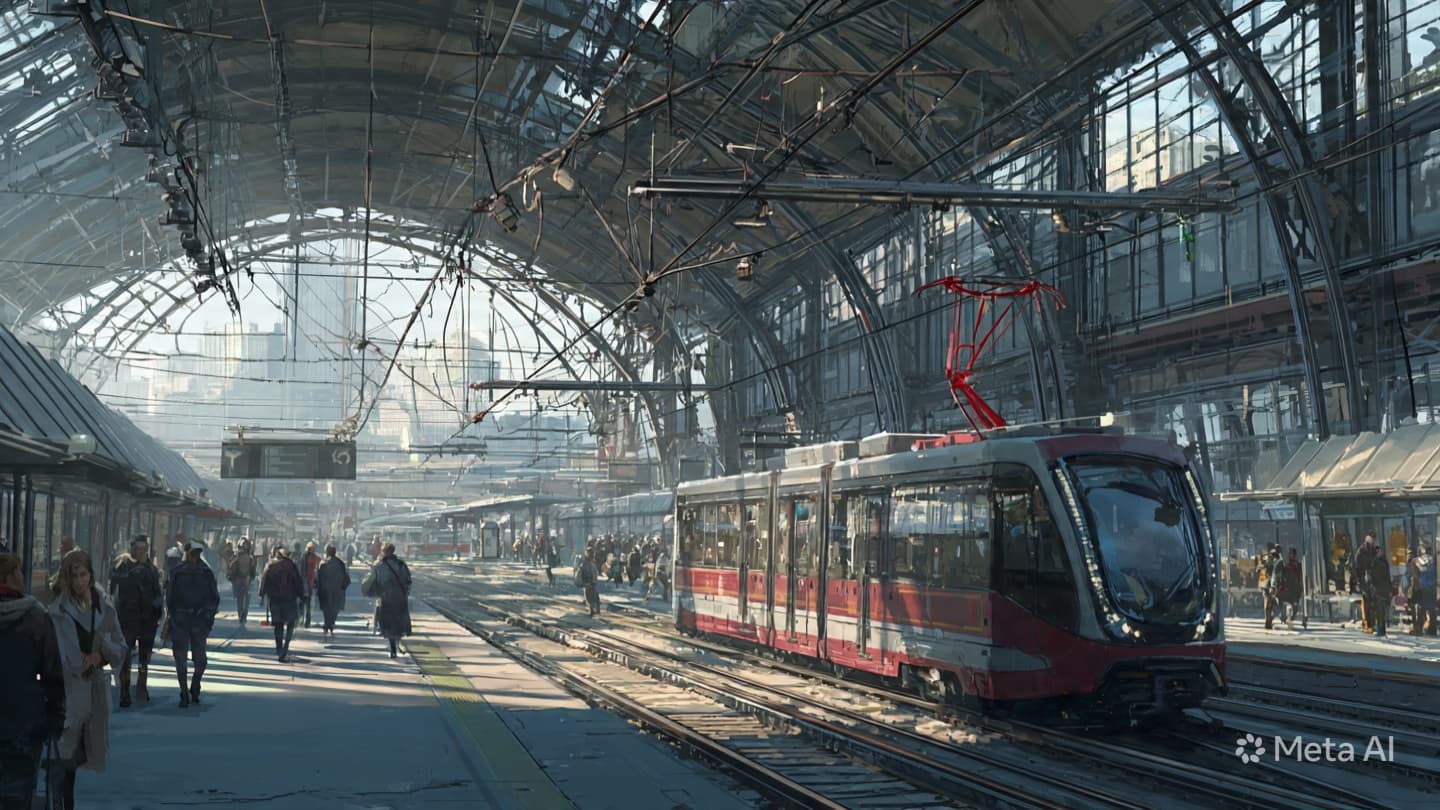
The city of Bucharest, with its sprawling network of trams, buses, and subterranean arteries, operates with a life force all its own. It is a place of constant motion, where the daily migrations of thousands create a collective rhythm of work, travel, and quiet persistence. Yet, beneath this surface hum, there exist shadow currents—organized, methodical rings that move through the crowd not as commuters, but as predators. The recent dismantling of these theft rings marks a significant shift in the narrative of the city’s transit, offering a rare moment of clarity in a complex, often unseen struggle.
For many, the public transport system is a sanctuary of sorts, a place where one blends into the anonymity of the crowd. The victims of these organized groups often recount the same jarring experience: a moment of distraction, a shift in the density of the people surrounding them, and then the sudden, hollow realization of a loss. These were not random acts of opportunity; they were choreographed sequences, executed with a disturbing level of precision that suggests a deep familiarity with the flow of the city’s daily commute.
The investigation that led to the arrests was a slow, deliberate pursuit, involving the meticulous tracking of patterns that had long been ignored. Authorities watched as the transit lines became the stage for a repetitive, calculated drama, where individuals were targeted not for their identity, but for the convenience of their vulnerability. By monitoring the intersections of timing and location, law enforcement was able to uncover the infrastructure of the rings—the way they communicated, the way they shifted from station to station, and the way they exploited the very system meant to serve the public.
To witness the dismantling of these networks is to appreciate the fragility of our daily confidence. When the police finally stepped in, the operation was swift, a necessary punctuation to a period of growing unease. Those apprehended represented a cross-section of a criminal subculture that had come to view the public transport system as a predictable, harvestable resource. The loss of personal items, while often small in the individual sense, represented a larger theft of communal security and trust.
The victims, whose reports served as the backbone of the investigation, found themselves at the center of a process that seeks to restore a sense of order. Each complaint, filed in the wake of a sudden, disorienting loss, was a small but essential piece of the puzzle. Through their persistence, they helped map the movements of the groups, allowing officials to see the patterns that had once been invisible to the naked eye. This collaborative effort—between the vigilant public and the watchful authorities—ultimately brought the shadows into the light.
As the city continues its relentless pace, the absence of these organized rings creates a subtle change in the atmosphere of the morning commute. The sense of suspicion that had begun to permeate the transit experience may slowly recede, replaced by the mundane, quiet focus of getting from one place to another. Yet, the memory of the threat remains, a reminder that even in the most crowded urban spaces, there is a constant, underlying potential for disruption that requires a vigilant eye.
The legal proceedings that follow are marked by a tone of calm, resolute justice. There is little fanfare, only the necessary documentation of events and the application of established statutes to address the harm caused. The focus is on the restoration of the system’s integrity, ensuring that the transit network remains a space of transit rather than a playground for the predatory. It is a process of refinement, stripping away the complications of the crime to return the focus to the people the system was intended to serve.
Ultimately, the removal of these theft rings is not the end of the challenge, but a necessary step in the ongoing maintenance of a city’s health. Bucharest, like any great metropolis, is defined by the resilience of its infrastructure and the people who populate it. By addressing these disruptions, the authorities have signaled a commitment to the fundamental right of every commuter to move through their own home with a sense of peace, unbothered by the shifting, unseen currents of those who seek to profit from the movement of others.
Published by Banx Network. This article is part of the Banx decentralized media programme, powered by the BXE token on the XRP Ledger.