

Key Highlights
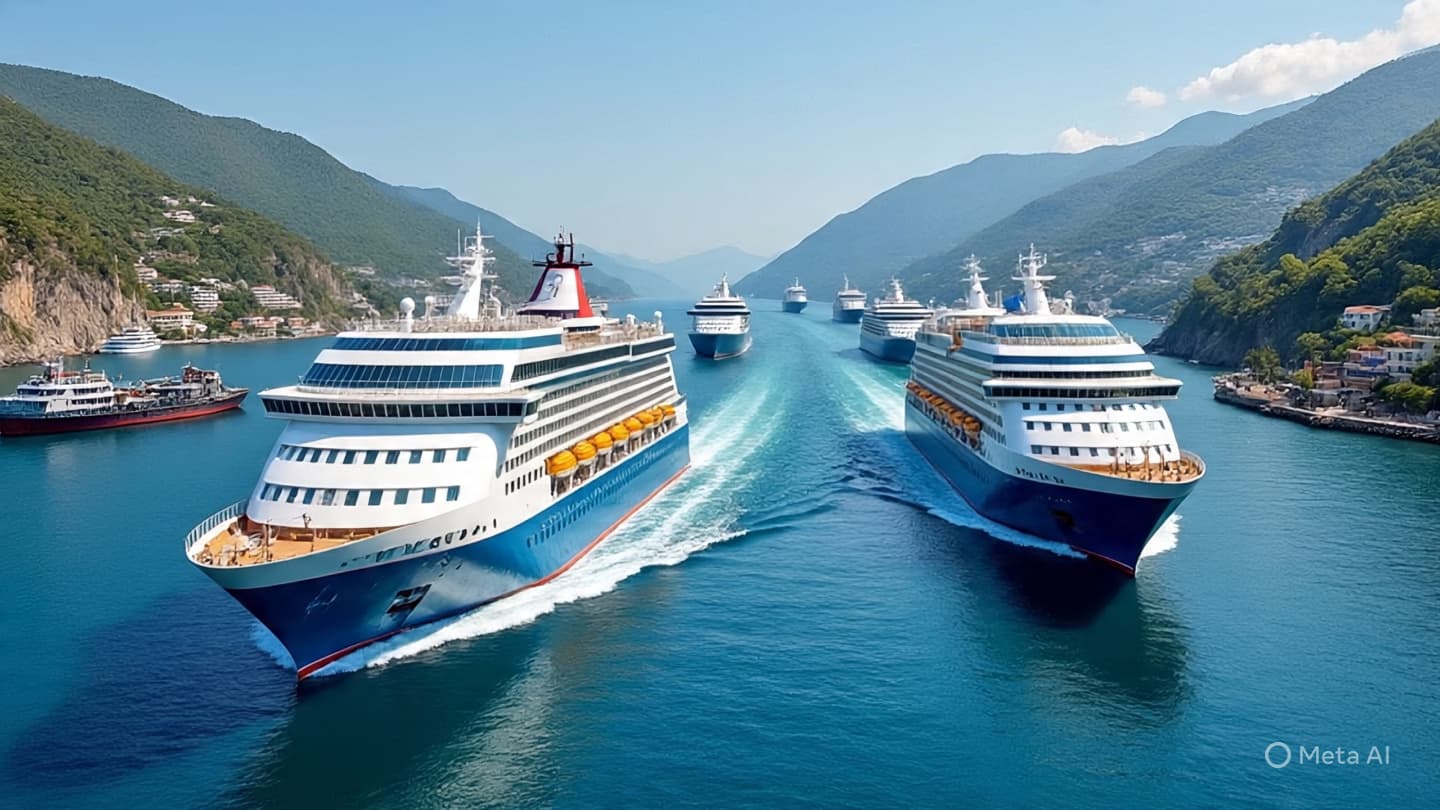
- Two cruise ships stranded in the Strait of Hormuz have successfully exited the region after weeks of delays.
- The delays were attributed to regional tensions and logistical challenges affecting maritime movement.
- Passengers expressed relief as they disembarked, marking the end of an unexpected pause at sea.
The recent exit of two cruise ships from the Strait of Hormuz marks a significant development after weeks of uncertainty for both passengers and crew. The vessels had been stranded in this critical maritime chokepoint, which is vital for global shipping, due to a combination of regional tensions and logistical constraints that hampered their movement.
The Strait of Hormuz has long been a sensitive area, often impacted by geopolitical developments. This latest incident underscores the fragility of maritime operations in regions where political dynamics can swiftly alter the landscape of navigation. The cruise operators worked diligently to manage onboard conditions, ensuring the safety and well-being of passengers during the prolonged delay. Regular updates were provided to those aboard, although the disruption significantly affected their travel schedules.
Maritime authorities, alongside international stakeholders, played a crucial role in facilitating the safe passage of the ships once conditions permitted. Coordination between shipping companies and regional officials was essential in resolving the situation, highlighting the importance of collaboration in maritime operations, especially in sensitive areas like the Strait of Hormuz.
The successful exit of the cruise ships signals a temporary easing of immediate challenges in the region. However, broader concerns regarding stability and security in the area remain prevalent in ongoing discussions among policymakers and industry experts. Shipping analysts emphasize that disruptions in such strategic waterways can have far-reaching effects on global trade and travel, making it imperative to maintain secure navigation routes.
As passengers disembarked, many expressed a mix of relief and reflection on their unexpected maritime experience. The end of their wait at sea not only marked a return to normalcy but also served as a reminder of the unpredictability of maritime travel in geopolitically sensitive regions.
With the ships now clear of the strait, attention shifts to restoring normal operations and closely monitoring developments in this vital maritime corridor. The incident serves as a critical case study for the maritime industry, emphasizing the need for robust contingency planning and responsive measures in the face of unforeseen challenges.
Published by Banx Network. This article is part of the Banx decentralized media programme, powered by the BXE token on the XRP Ledger.




