
Key Highlights
- Earthquake Magnitude:A powerful 7.8 magnitude earthquake struck the Philippines, causing widespread damage.
- Emergency Response:Search and rescue operations were prioritized to locate survivors and provide aid.
- Community Involvement:Local residents and organizations have played a crucial role in recovery efforts.
In the aftermath of a powerful earthquake, silence often arrives before recovery begins. Streets that once echoed with daily routines become places of assessment, resilience, and rebuilding. Across parts of the Philippines, communities are now navigating that difficult transition following a major magnitude 7.8 earthquake that struck on [insert date]. The earthquake caused widespread disruption, damaging infrastructure, homes, and public facilities in affected regions.
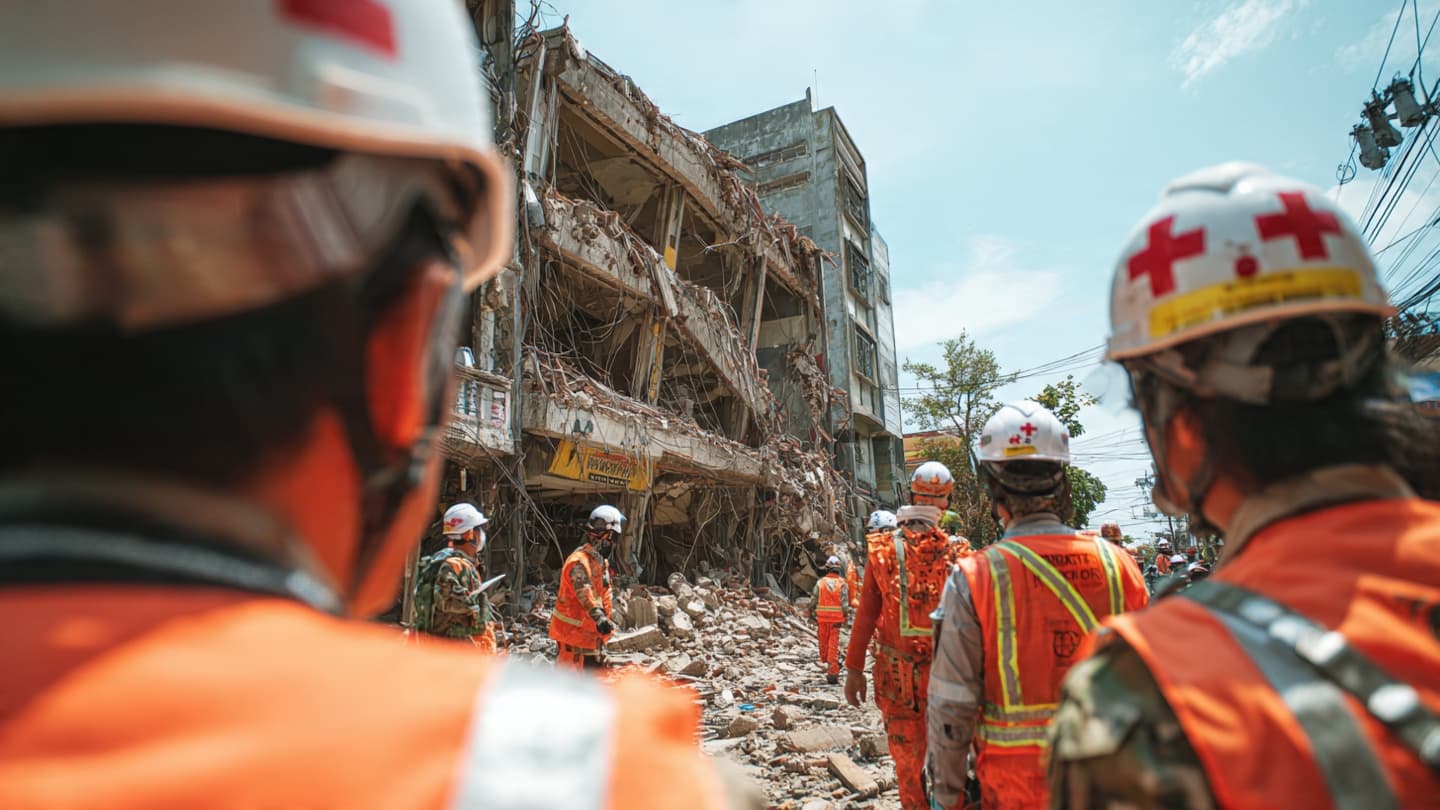
Emergency response teams were quickly deployed as authorities worked to assess conditions and assist impacted communities. Search and rescue operations became an immediate priority, with personnel from government agencies, local authorities, and volunteer organizations coordinating efforts to locate survivors and provide emergency support where needed. The urgency of these operations reflects the critical nature of immediate disaster response in saving lives and alleviating suffering.
The Philippines sits along the Pacific Ring of Fire, one of the most seismically active regions in the world. Earthquakes and volcanic activity are recurring realities, prompting the country to maintain extensive disaster preparedness and response capabilities. Despite those preparations, large earthquakes can still produce significant humanitarian and economic challenges. Damaged transportation networks, disrupted utilities, and temporary displacement often complicate recovery efforts during the critical days following a disaster.
International partners and humanitarian organizations have expressed support for ongoing recovery operations. Assistance efforts may include emergency supplies, technical expertise, and reconstruction support depending on assessed needs. This international solidarity is vital as the Philippines grapples with the immediate and long-term impacts of the earthquake.
Local communities have also played a central role in the recovery process. Residents, civic groups, and volunteers have worked together to distribute aid, clear debris, and support neighbors affected by the disaster. This grassroots involvement not only aids in immediate recovery but also fosters a sense of unity and resilience among the affected populations.
Officials continue evaluating infrastructure safety while prioritizing the restoration of essential services. Schools, healthcare facilities, transportation routes, and public utilities remain key components of recovery planning. The focus on restoring these services is crucial for returning to normalcy and ensuring that communities can rebuild their lives effectively.
Although rebuilding may take time, the response has highlighted the resilience that often emerges after natural disasters. As recovery efforts continue, communities across the Philippines are focused on restoring normalcy and preparing for the challenges that still lie ahead. The journey forward may be long, but the spirit of cooperation and determination shines brightly in the face of adversity.
Published by Banx Network. This article is part of the Banx decentralized media programme, powered by the BXE token on the XRP Ledger.



