
Key Highlights
- France considers naval escorts for commercial vessels in the Strait of Hormuz.
- The Strait is a critical maritime corridor for global oil trade.
- Macron emphasizes the need for safety amid rising tensions with Iran.
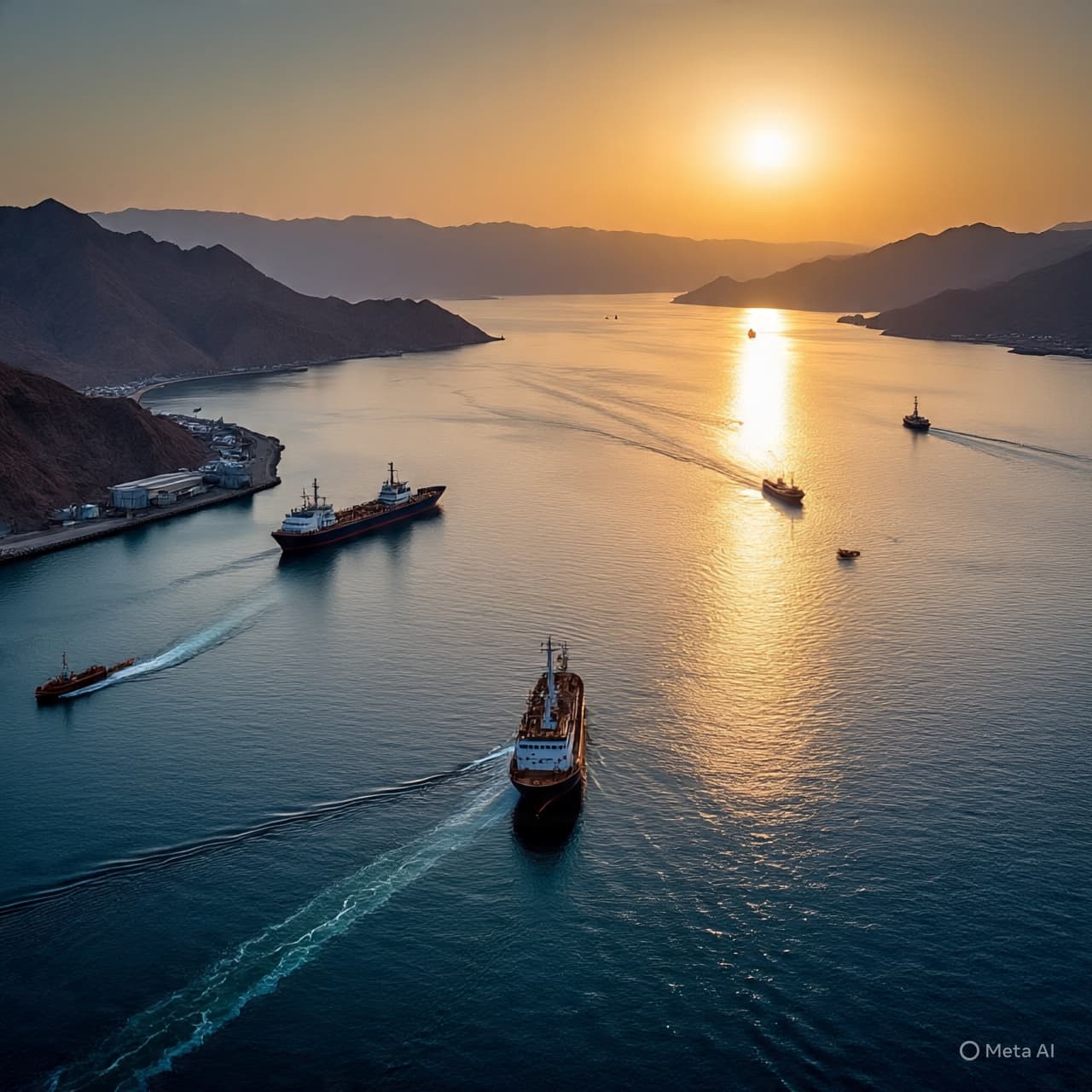
Amid the gentle morning light over the Strait of Hormuz, a vital maritime corridor, the tranquility belies the geopolitical tensions that have recently escalated in the region. This narrow passage, which facilitates the movement of approximately 20% of the world's oil, has become a focal point of concern as confrontations involving Iran and Western-aligned forces raise alarms about the safety of shipping routes.
In response to these rising tensions, French President Emmanuel Macron has indicated that France is preparing a naval plan aimed at escorting commercial vessels through the Strait of Hormuz. This initiative is contingent upon a reduction in hostilities, allowing for safer maritime operations. Macron's comments reflect a proactive stance among European nations to ensure the security of vital trade routes as they navigate the complexities of the current geopolitical landscape.
Historically, the Strait of Hormuz has been characterized as one of the world's most significant maritime bottlenecks. At its narrowest point, the strait is only a few miles wide, yet it plays a crucial role in the global energy supply chain. Any disruption in this corridor can have immediate repercussions on financial markets and supply chains worldwide, underscoring the importance of maintaining open and secure shipping lanes.
France's naval tradition, which spans centuries, positions it as a key player in safeguarding these trade routes. French naval vessels are already present in the Gulf region, collaborating with international partners to monitor shipping lanes and respond to potential threats. The proposed escort mission would likely involve coordination with other Western navies operating in the area, reinforcing collective security efforts.
The concept of military escorts for merchant ships is not new; it has been employed during previous periods of heightened risk in the region. Past multinational naval patrols have aimed to reassure shipping companies and uphold freedom of navigation during times of conflict. France has participated in such missions, balancing its strategic alliances with an independent defense posture.
For shipping companies and energy traders, the prospect of naval escorts offers a degree of reassurance, highlighting the fragility of global trade dynamics. The Strait of Hormuz, a mere ribbon of water, carries immense economic significance, linking the oil-rich Persian Gulf to markets across Asia, Europe, and beyond. The potential for naval escorts serves as a reminder of the delicate balance that governs international trade and the geopolitical factors that can disrupt it.
Macron's emphasis on waiting for a de-escalation of hostilities before implementing any escort operations reflects a cautious approach. This strategy acknowledges the strait's strategic importance while prioritizing the need to avoid further escalation in an already volatile environment. As tensions persist, the international community watches closely, anticipating the potential for a future where naval convoys may once again traverse these critical waters.
As the sun sets over the Gulf, the vessels navigating the Strait of Hormuz continue their journeys, their routes meticulously planned and monitored. The discussions taking place in distant capitals hint at a future where naval escorts could accompany these tankers, ensuring that this vital passage remains open for global commerce.
Published by Banx Network. This article is part of the Banx decentralized media programme, powered by the BXE token on the XRP Ledger.



