
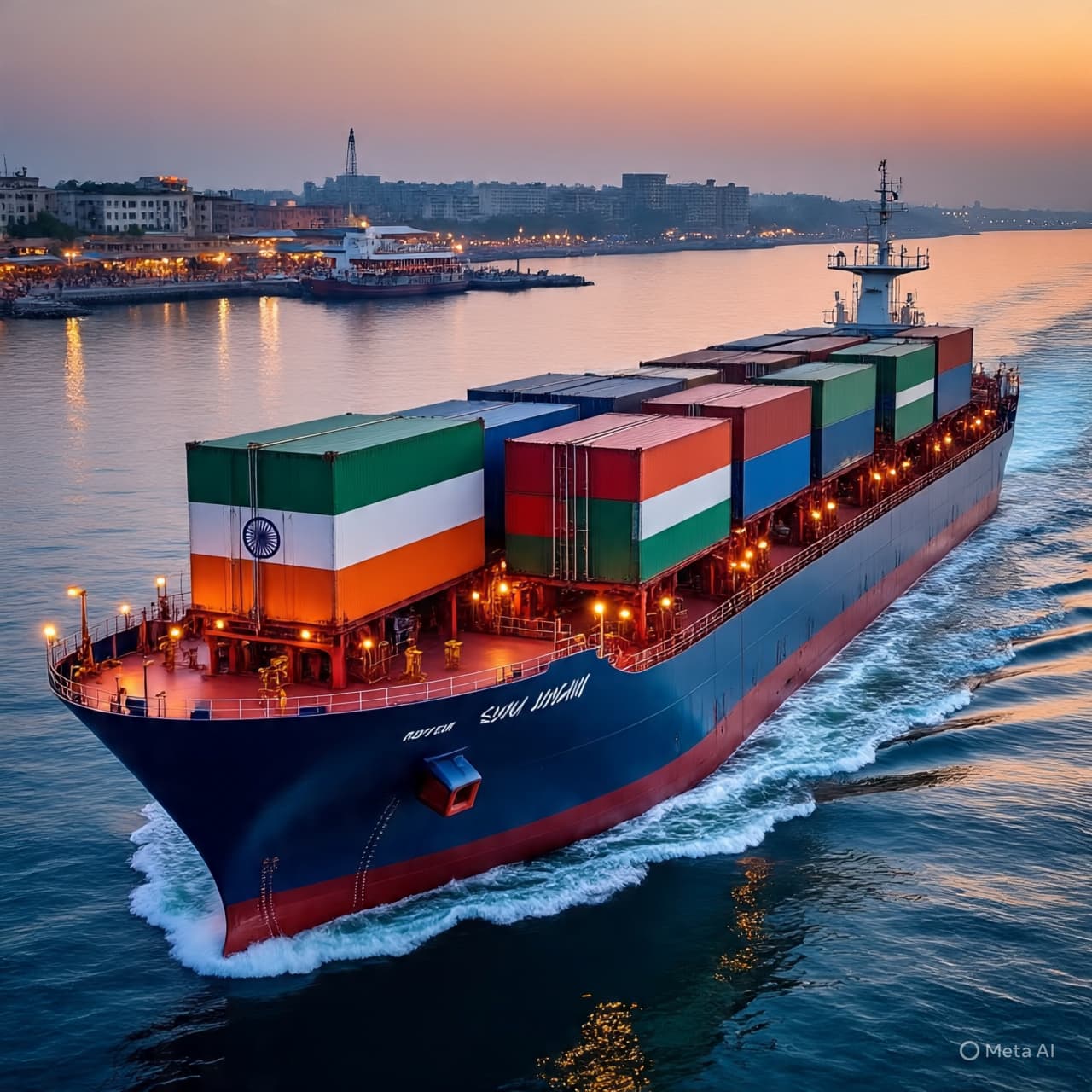
Oil has always moved like a quiet current beneath the surface of geopolitics — unseen by many, yet shaping the rhythm of nations. Tankers cross oceans with little ceremony, but their routes tell stories of shifting alliances, market pressures, and pragmatic recalculations. In March 2026, those routes appear to be adjusting once more, as India’s intake of Russian crude softens and older supply lines regain prominence.
Imports of Russian oil into India are projected to fall to their lowest level since May 2022. After nearly two years of elevated purchases, which surged following Western sanctions on Russia over the Ukraine conflict, Indian refiners appear to be diversifying again. The shift reflects a blend of pricing dynamics, shipping costs, refining margins, and evolving geopolitical calculations.
Since 2022, discounted Russian barrels had offered Indian refiners attractive economics. Russia became one of India’s top crude suppliers, at times overtaking traditional Middle Eastern partners. The arrangement allowed India to secure affordable energy while maintaining that its purchases complied with international frameworks not binding on New Delhi. For Moscow, Asia became a crucial alternative market as European buyers reduced intake.
Yet oil markets rarely stand still. In recent months, price differentials between Russian crude and Middle Eastern grades have narrowed. Freight and insurance costs, along with tighter compliance scrutiny, have also influenced purchasing decisions. As margins recalibrate, refiners respond with characteristic pragmatism.
In this context, Saudi Arabia is regaining market share in India. Long a cornerstone supplier to Indian refiners, Riyadh’s position had slipped during the height of discounted Russian flows. Now, competitive official selling prices and steady supply reliability are helping Saudi cargoes reclaim space in Indian import baskets.
The rebalancing underscores the flexible nature of India’s energy strategy. As the world’s third-largest oil importer, India sources crude from a broad array of producers, adjusting volumes in response to commercial advantage rather than rigid alignment. Officials have repeatedly emphasized that energy security and price stability remain primary objectives, especially in a fast-growing economy sensitive to fuel inflation.
For Russia, a modest decline in Indian volumes does not necessarily signal rupture. Moscow continues to redirect significant exports to Asia, including China. However, the Indian market has been symbolically and commercially significant, representing a major pivot after the reshaping of global trade flows in 2022.
For Saudi Arabia, regaining share in India strengthens long-standing energy ties that extend beyond crude supply to refining partnerships and downstream investments. Energy cooperation between New Delhi and Riyadh has historically been anchored in mutual reliability, and recent adjustments suggest a recalibration rather than a dramatic swing.
Analysts note that such shifts are often cyclical. Oil trade patterns respond quickly to economics, and March’s lower intake of Russian barrels may evolve again depending on global benchmarks, OPEC+ production decisions, and shipping dynamics. The market’s logic is less ideological than mathematical.
Still, the symbolism carries weight. India’s earlier surge in Russian imports was widely viewed as one of the most consequential redirections of crude flows in recent years. A moderation — even temporary — signals that the extraordinary conditions of 2022 may be giving way to a more balanced sourcing pattern.
As March figures solidify, the data will offer clearer contours of this adjustment. For now, shipping schedules and refinery orders suggest a quieter redistribution: fewer Russian cargoes than in recent peaks, more Middle Eastern barrels returning to prominence.
In the steady churn of global energy markets, such changes rarely arrive with fanfare. They unfold tanker by tanker, contract by contract — subtle movements that nonetheless reshape the map of supply. India’s evolving import mix in March is one more reminder that in oil, as in diplomacy, flexibility remains the enduring constant.
AI Image Disclaimer Images in this article are AI-generated illustrations, meant for concept only.
Source Check: Reuters Bloomberg The Economic Times Hindustan Times CNBC
Published by Banx Network. This article is part of the Banx decentralized media programme, powered by the BXE token on the XRP Ledger.

.jpg&w=3840&q=75 "Romania Passes Controversial Integrity Law for Officials to Access EU Funds")
