In the quiet light after a global summit, where leaders’ speeches have faded and the banners are folded away, our view of the climate transition can feel much like dawn breaking over a vast landscape — reshaping shadows, revealing contours we only half-glimpsed before. That is the sense with China’s evolving role in global clean energy finance: an unfolding presence that, like a slow sunrise, alters the shape of the horizon for decision-makers, markets, and communities wrestling with the intertwined hopes of sustainability and economic growth.
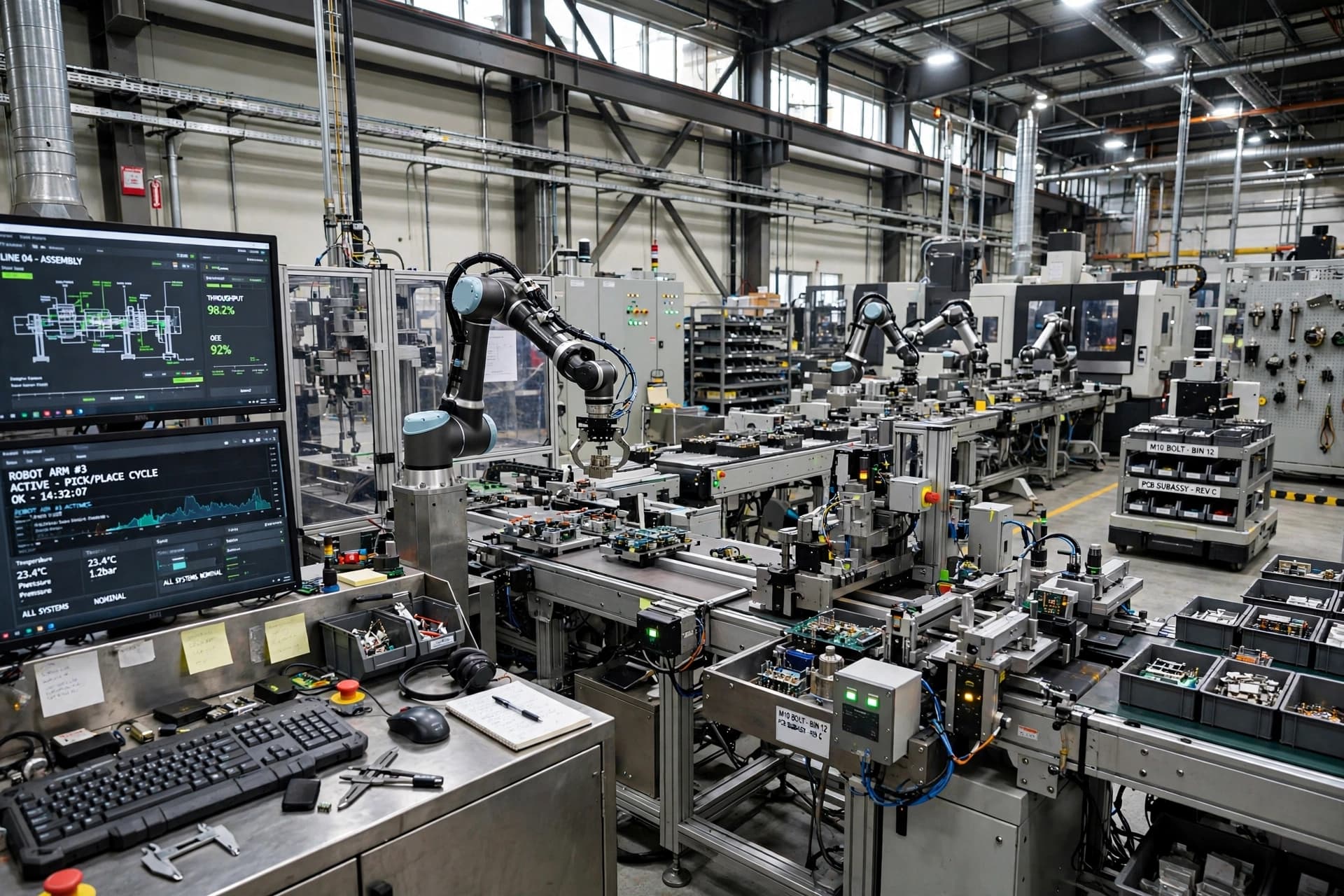
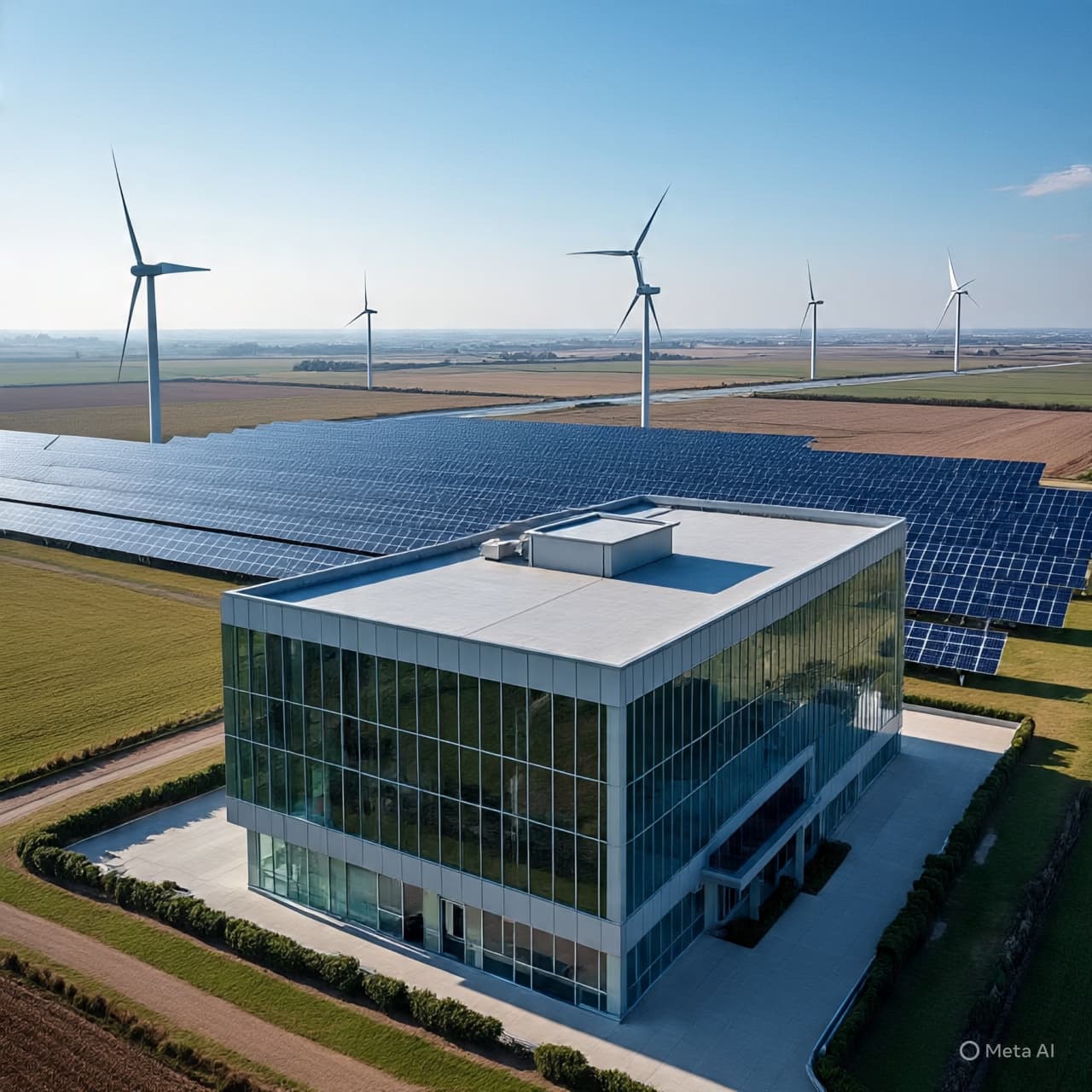
There is a rhythm to this evolution, a cadence set by factories humming with production and by policies designed to channel capital toward a new generation of energy infrastructure. In recent years, China’s domestic expansion of clean energy has been breathtaking in its scale — with solar, wind, and storage installations sprawling across plains and hills, meeting much of the world’s new power demand and helping reshape global cost curves in renewables. Yet beyond the home front, its financial influence is quietly taking shape in places far from Beijing’s city lights.
Where once loans from state-owned policy banks formed the backbone of China’s overseas energy investment, today’s landscape is more diverse — a mosaic of equity, commercial bank involvement, export credit insurance and targeted project financing that serves as pathways for investment in renewables and related infrastructure. This shift isn’t just technical; it reflects a new posture toward risk, sustainability, and engagement with emerging market partners who are themselves navigating the complex terrain of energy transitions.
Figures from recent reports illuminate this changing role. Hundreds of billions of dollars are now tied to Chinese firms’ outward investment in clean tech, as solar panels, batteries and electric vehicles find customers and partners across Asia, Africa and Latin America. Such commitments are part of a broader global pattern: China’s clean energy sector contributed a significant share of its economic output domestically, even outpacing traditional sectors like real estate.
For many emerging economies seeking affordable and reliable energy solutions, China’s evolving finance model can feel like a bridge across the chasm of capital scarcity — a bridge that offers not just money, but technology and know-how. Yet it also pushes those receiving markets to strengthen their own governance, project design and energy strategies so that investments translate into long-term prosperity instead of dependence.
Diplomatic gatherings like the summit in Belém remind us that global climate goals are both urgent and fragile. The contours of cooperation and competition that shape energy finance will continue to influence who gets the capital to build grids and wind farms, who gets left behind, and how climate ambitions align with real needs on the ground. China’s evolving role is one thread in that larger tapestry — neither simple nor uniform, but undeniably significant as the world collectively searches for pathways toward cleaner, more equitable energy futures.
In the days after high-profile meetings and big announcements, it is in the quieter evolution of finance, policy and partnership that the true work of the energy transition unfolds. Observers, policymakers and stakeholders alike are watching these shifts closely, not with uncritical optimism, but with realistic hope and a recognition that the future of clean energy finance will be shaped as much by collaboration as by competition.
AI Image Disclaimer
Illustrations were produced with AI and serve as conceptual depictions.
Credible sources available:
1. Le Monde (Environment) — on China’s clean energy expansion and global impact. 2. Reuters — reporting Chinese overseas clean tech investment figures. 3. The Guardian — on clean energy’s contribution to China’s economy in 2024. 4. Environmental Finance — analysis of China’s green finance and clean energy growth dynamics. 5. IEA / Asian Infrastructure and Energy Finance analyses — covering evolving outbound energy finance patterns and diversification.
Published by Banx Network. This article is part of the Banx decentralized media programme, powered by the BXE token on the XRP Ledger.