There are moments when history does not turn gently, but shifts all at once—like a door opening into a room no one had fully prepared to enter. The air feels heavier, not because everything is known, but because so much is uncertain. In Tehran, that sense of abrupt transition now lingers, shaped by strikes, responses, and the sudden absence of a figure who long stood at the center of power.
In the latest developments, Israel has carried out direct strikes on Tehran, part of a broader and rapidly escalating conflict involving the United States and Iran. Reports indicate that key sites in the Iranian capital were hit, with the operation targeting not only infrastructure but also the upper layers of Iran’s leadership.
Amid the aftermath, Iran has begun forming an interim leadership structure. Officials have confirmed that a temporary governing council—comprising senior political and judicial figures—will assume responsibilities while the country navigates a constitutional transition.
This shift follows reports that Supreme Leader Ali Khamenei was killed in the coordinated strikes, though early information around his status was contested and evolved rapidly. The loss—or even uncertainty—surrounding such a central figure has introduced a rare moment of internal recalibration within Iran’s political system.
At the same time, the conflict has not paused for reflection. Iranian forces have launched retaliatory missile and drone attacks across the region, targeting Israel, U.S. bases, and multiple neighboring countries. What emerges is not a single exchange, but a widening pattern—one that moves across borders and into multiple layers of military and civilian life.
Within Iran, the transition to interim leadership carries both procedural clarity and deeper uncertainty. The country’s constitutional framework provides a pathway for temporary governance, but the selection of a permanent successor remains a more complex and consequential process. In moments like this, structure offers continuity, even as direction remains unsettled.
Beyond Iran’s borders, the implications are already visible. Governments have called for restraint, markets have reacted cautiously, and global institutions are watching closely. The Middle East, long shaped by delicate balances, now faces a moment where those balances are being tested in real time.
And yet, beneath the scale of events, there remains a quieter question—how moments of sudden change reshape not only leadership, but perception. When a long-standing figure disappears from the center of power, what follows is not just succession, but reinterpretation: of policy, of alliances, of possibility.
For now, the situation continues to evolve. Strikes have taken place, responses have followed, and a temporary leadership has been set in motion. What comes next—whether stabilization or further escalation—remains uncertain, unfolding step by step in a landscape that has already shifted.
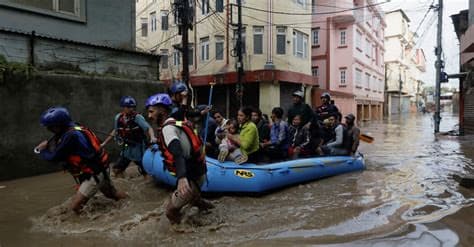
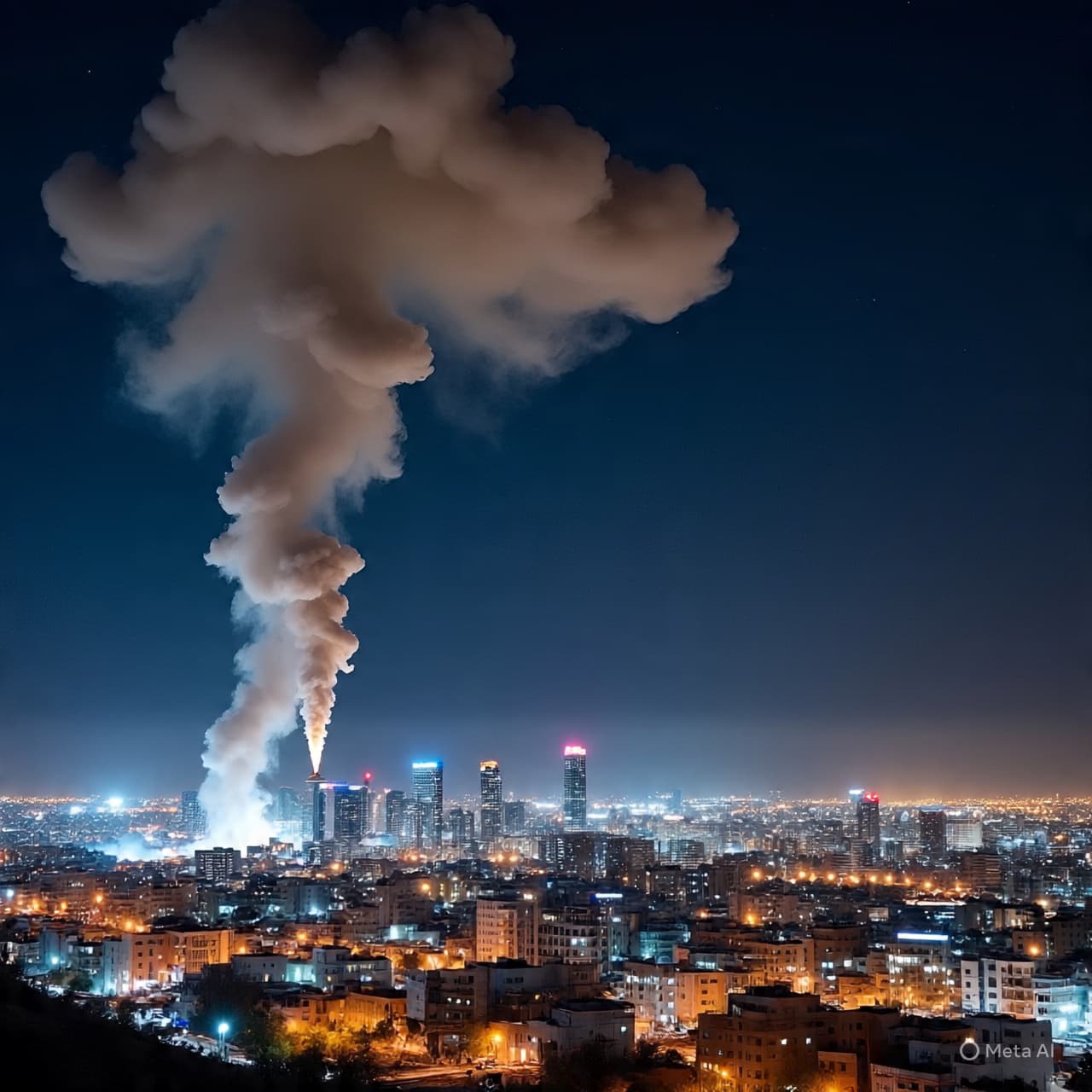
AI Image Disclaimer Illustrations were produced with AI and serve as conceptual depictions.
Source Check Reuters Associated Press BBC News Al Jazeera The Guardian
نُشر بواسطة Banx Network. هذا المقال جزء من برنامج الوسائط اللامركزية من Banx، مدعومًا برمز BXE على شبكة XRP Ledger.

.jpg&w=3840&q=75 "Blake Lively Awarded $400,000 in Legal Fees After Justin Baldoni Lawsuit Dismissed")