There are moments at sea when the horizon seems to disappear into the weather. Wind, waves and gray water become one moving landscape, leaving those on the surface to wait for a brief opening in the conditions. In Indonesia's Java Sea, that uncertainty has shaped the search for people missing after the Virgo Transport 8 ferry capsized.
The vessel went down early Sunday while traveling between Surabaya and Banjarmasin. At the time, authorities reported that 243 people were aboard. Six people were initially confirmed dead and 108 were rescued, while 129 remained missing during the first days of the operation.
As the days passed, rough seas prevented rescuers from making a sustained underwater examination of the overturned vessel. Strong currents and waves made it difficult for divers to approach the wreck safely, while search teams continued looking across the surrounding waters for possible survivors and victims.
The operation changed significantly once weather and sea conditions allowed divers to reach the ferry. On Friday, teams entered the wreck and recovered three bodies. That brought the confirmed death toll to nine and reduced the number of people still missing to 126.
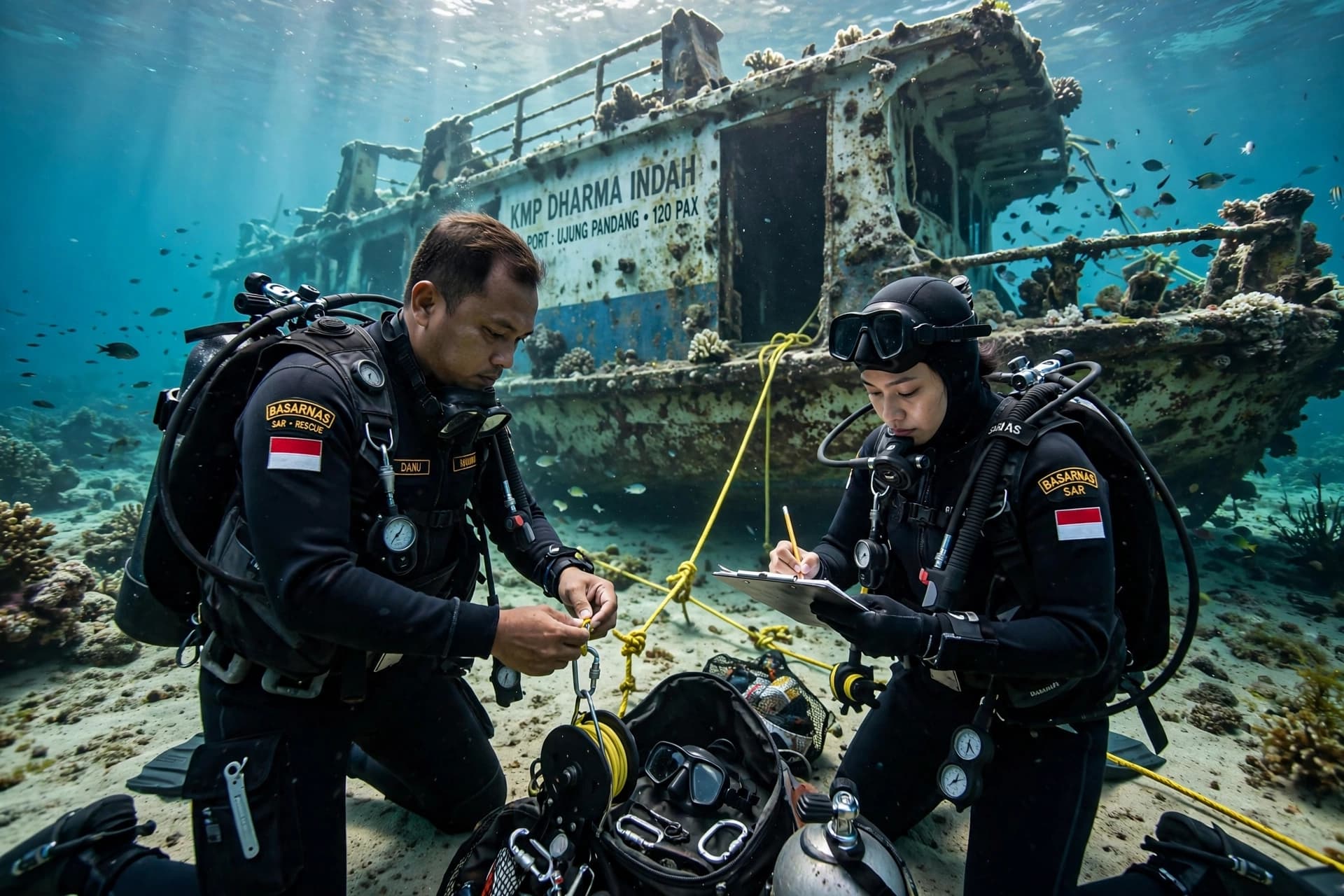
The recovery was conducted in a setting far removed from the surface. The ferry had settled upside down on the seabed at about 29 meters, while its position had shifted hundreds of meters from where it originally sank. The stern was embedded in the seabed, creating another physical obstacle for teams working around the vessel.
Divers had to rely on ropes and carefully controlled movements to enter the ship. A team of 17 divers descended on Friday after guide ropes were installed the previous day. They entered through a broken window and proceeded into the vessel individually as they began the recovery operation.
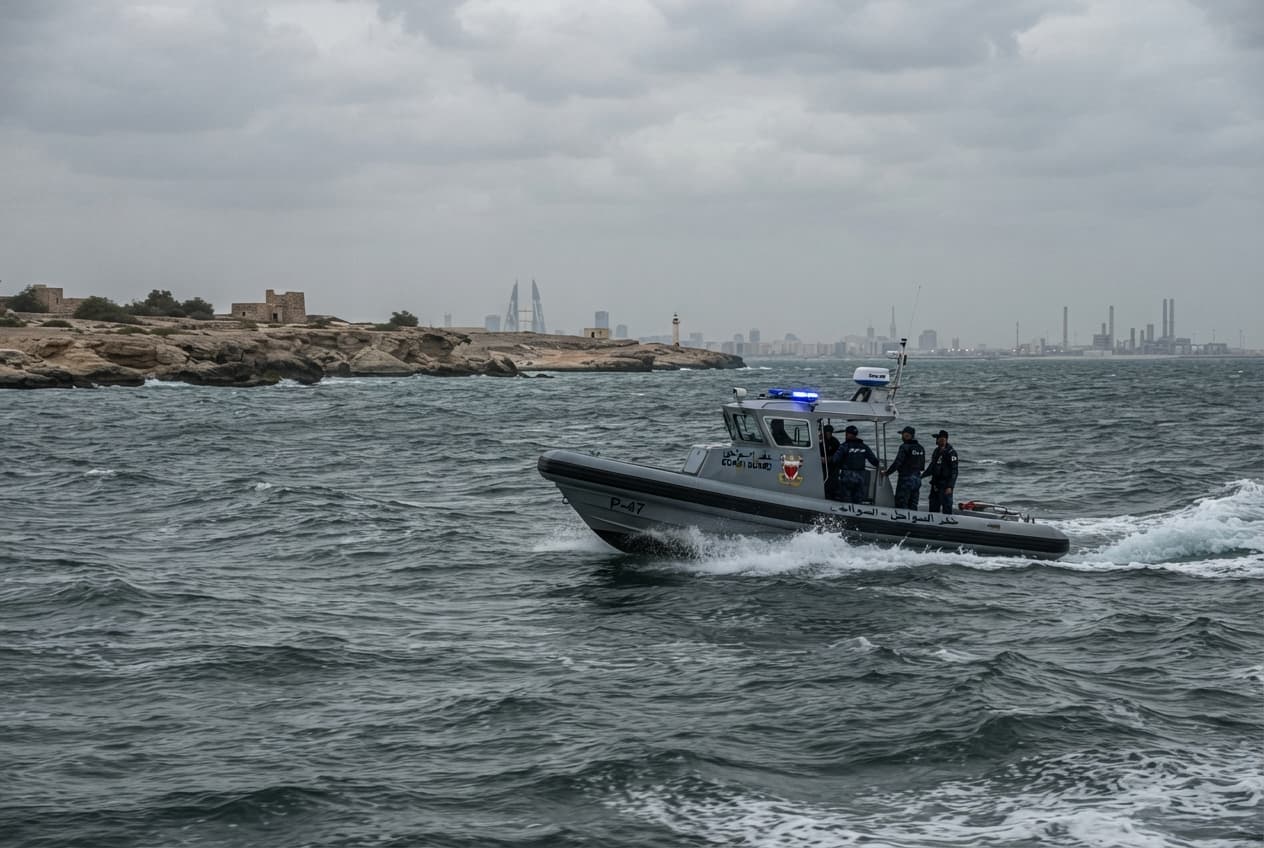
The search has therefore become a combination of surface operations and underwater work. Rescue vessels continue operating around the site, while specialized teams focus on the wreck itself. The distinction between these two areas is important because the conditions that permit a surface search are not necessarily the same conditions required for divers to work safely.
The accident has also brought the scale of Indonesia's maritime geography into sharp focus. The country relies heavily on ferries and passenger vessels to connect its many islands, making sea travel part of ordinary movement between regions. When a vessel disappears beneath difficult waters, however, ordinary distances quickly become technical challenges for rescuers.
For the families waiting for news, the operation remains a sequence of small developments: a change in weather, a dive, a recovery, another search area. Each development provides another piece of information while leaving many questions unanswered.
Authorities are continuing the recovery and salvage operation as they work to locate those who remain missing. The immediate focus remains on underwater access to the ferry and the surrounding waters, with weather and sea conditions continuing to determine how quickly the search can progress.
AI Image Disclaimer The accompanying visuals are AI-generated representations designed to illustrate the reported maritime rescue operation and do not depict actual photographs.
Sources Reuters Associated Press Al Jazeera
Published by Banx Network. This article is part of the Banx decentralized media programme, powered by the BXE token on the XRP Ledger.