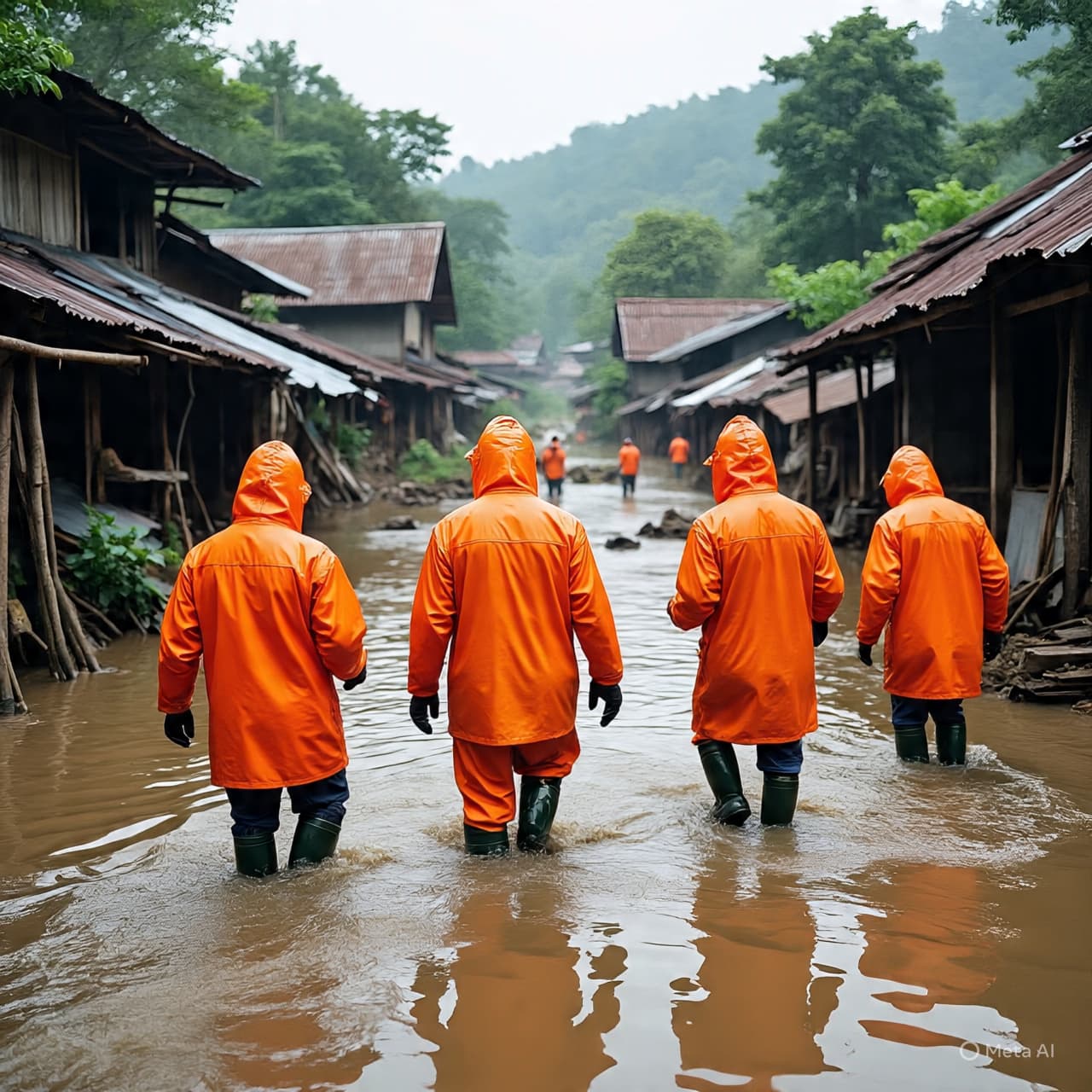
A hush settles over the rice paddies and coastal villages of southern Thailand — a kind of silence that lingers not with relief, but with sorrow. The rains have ceased, the waters begin to recede, but what remains is a heavy quiet, punctuated by the names of those lost. The swirling floodwaters have drained away, yet grief remains deep, like a pond that cannot yet reflect sunlight.
In the past days, the human toll has grown ever more painful: the official number of fatalities now stands at 162, a grim rise from the earlier figure of 145 announced just days ago. What emerges — as the deluge ebbs — is not only the count of lives lost but the staggering scale of disruption: entire neighborhoods submerged, vehicles stacked like driftwood, streets turned into rivers of debris.
In the hardest hit areas — especially around the province of Songkhla and its city Hat Yai — the tragedy is especially acute. Dozens of families mourn loved ones; entire households have seen their homes swallowed by floodwaters, possessions washed away, lives uprooted. The flood’s relentless advance spared neither young nor old, sparing neither city nor hamlet.
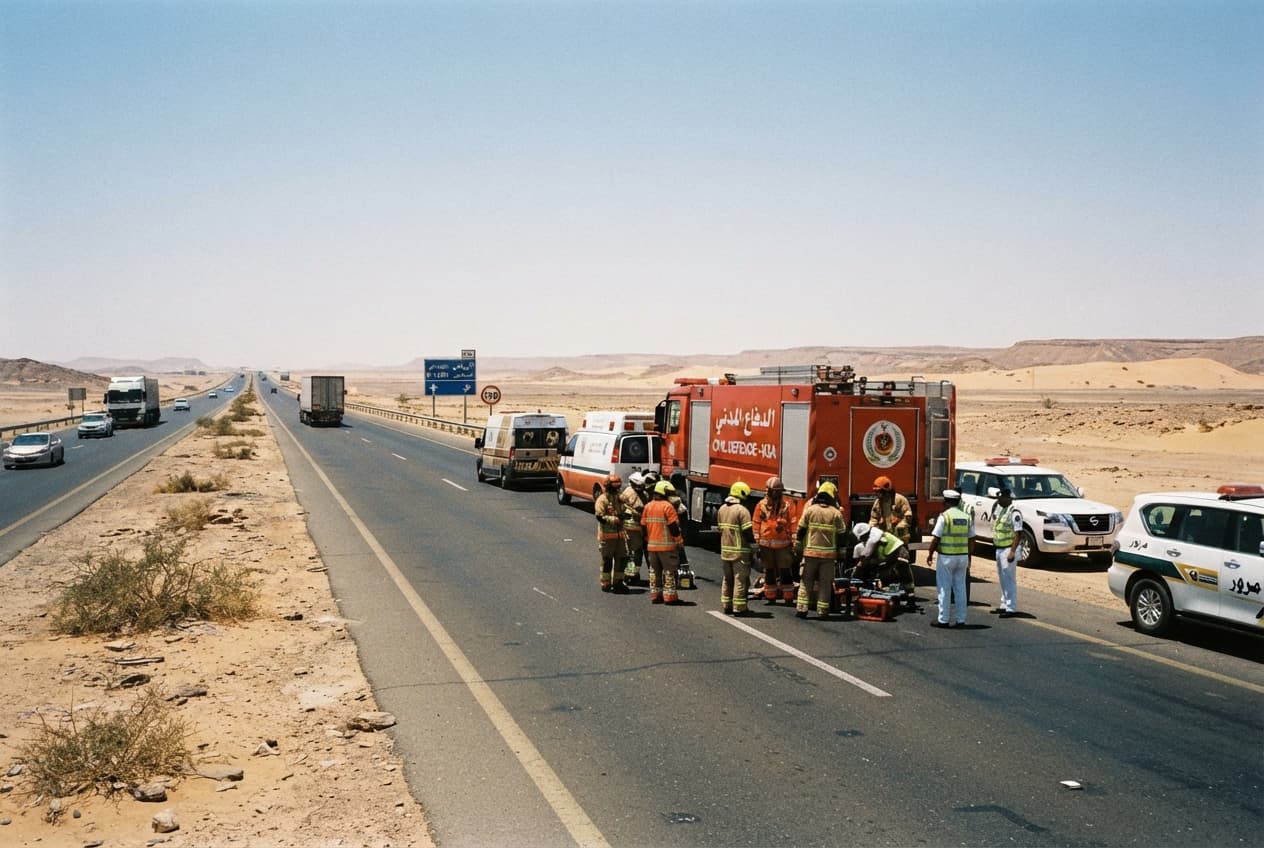
Rescue teams and aid workers are now navigating the fragile aftermath — searching for the missing, clearing debris, delivering aid. As the waters recede, more of the devastation becomes visible: damaged infrastructure, overturned cars, broken roads, power outages. The true scale of loss may not be known for days or weeks, as affected communities struggle to rebuild from the ruins.
Yet, even amid this grief, there is still cautious hope. Relief efforts are underway; voices of solidarity — both local and international — are rising. Communities, battered and broken, begin to stir again, holding onto memory, resilience, and the fragile hope of recovery.
In the long hours ahead, Thailand faces the difficult task of rebuilding — of homes, of lives, of trust. But before that, there is mourning: for the 162 souls lost, for the homes gone under water, for the memories carried away with the currents. A nation, for a moment, holds its breath.
In these quiet days after the flood, as waters recede and grief deepens, Thailand begins the slow, gentle work of remembrance — and perhaps, of healing.
AI Image Disclaimer “Visuals are created with AI tools and are not real photographs.”
Sources Reuters, Associated Press, CNN/Channel News Asia, The Star, South China Morning Post
Published by Banx Network. This article is part of the Banx decentralized media programme, powered by the BXE token on the XRP Ledger.