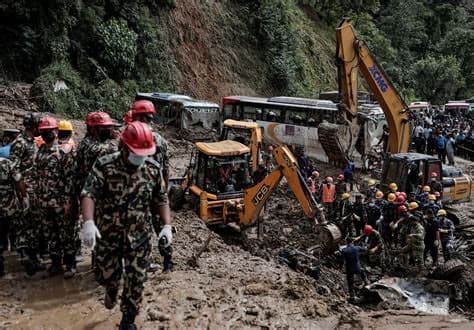
Wars often leave traces long after the headlines fade. While the sounds of confrontation may diminish, their economic and social consequences can continue shaping a nation's future for years. In Iran, the challenges of recovery have become an increasingly important part of the national conversation.
Economic pressures remain among the most visible consequences. Inflation, disruptions to trade, investment uncertainty, and strains on public finances have contributed to an environment in which recovery requires sustained effort and careful policy decisions.
For many citizens, the effects are experienced not through statistics but through everyday realities. Rising living costs, employment concerns, and uncertainty about future opportunities have become recurring themes in public discussion.
Analysts note that economic hardship often extends beyond financial matters. Social dynamics can also shift as communities adapt to changing circumstances. Public expectations, political priorities, and institutional trust may all be influenced by economic conditions.
Government officials have emphasized programs aimed at stabilization and reconstruction. These initiatives seek to restore economic activity, strengthen infrastructure, and support long-term development. The effectiveness of such measures remains a topic of ongoing debate.
International factors also contribute to the complexity of the situation. Sanctions, global market conditions, and regional geopolitical developments continue to influence economic prospects and policy options.
Observers suggest that recovery depends not only on economic growth but also on confidence. Investors, businesses, and households often make decisions based on expectations about future stability and opportunity.
Political implications are equally significant. Economic conditions frequently shape public sentiment and influence broader discussions regarding governance, accountability, and national priorities.
Despite the challenges, many communities continue demonstrating resilience. Businesses adapt, families seek new opportunities, and local institutions work to address immediate concerns while planning for the future.
As Iran navigates the next phase of recovery, the central question remains how economic stabilization can be translated into broader social confidence. The answer may influence not only economic outcomes but also the country's political and social trajectory.
AI Image Disclaimer
Images in this article are AI-generated illustrations, meant for concept only.
Sources
The Guardian Reuters Al Jazeera Associated Press BBC News
Published by Banx Network. This article is part of the Banx decentralized media programme, powered by the BXE token on the XRP Ledger.