Earthquakes are sudden reminders of the earth’s restless nature, shaking the foundations of communities and lives in an instant. In Venezuela, the aftermath of a devastating seismic event has left a profound mark, with the death toll surpassing 4,300. As the initial shock gives way to the grim reality of loss, the scale of the recovery effort looms large, presenting a challenge that tests the resilience of a nation already facing significant hardships. It is a moment that invites compassion and collective action in the face of overwhelming tragedy.
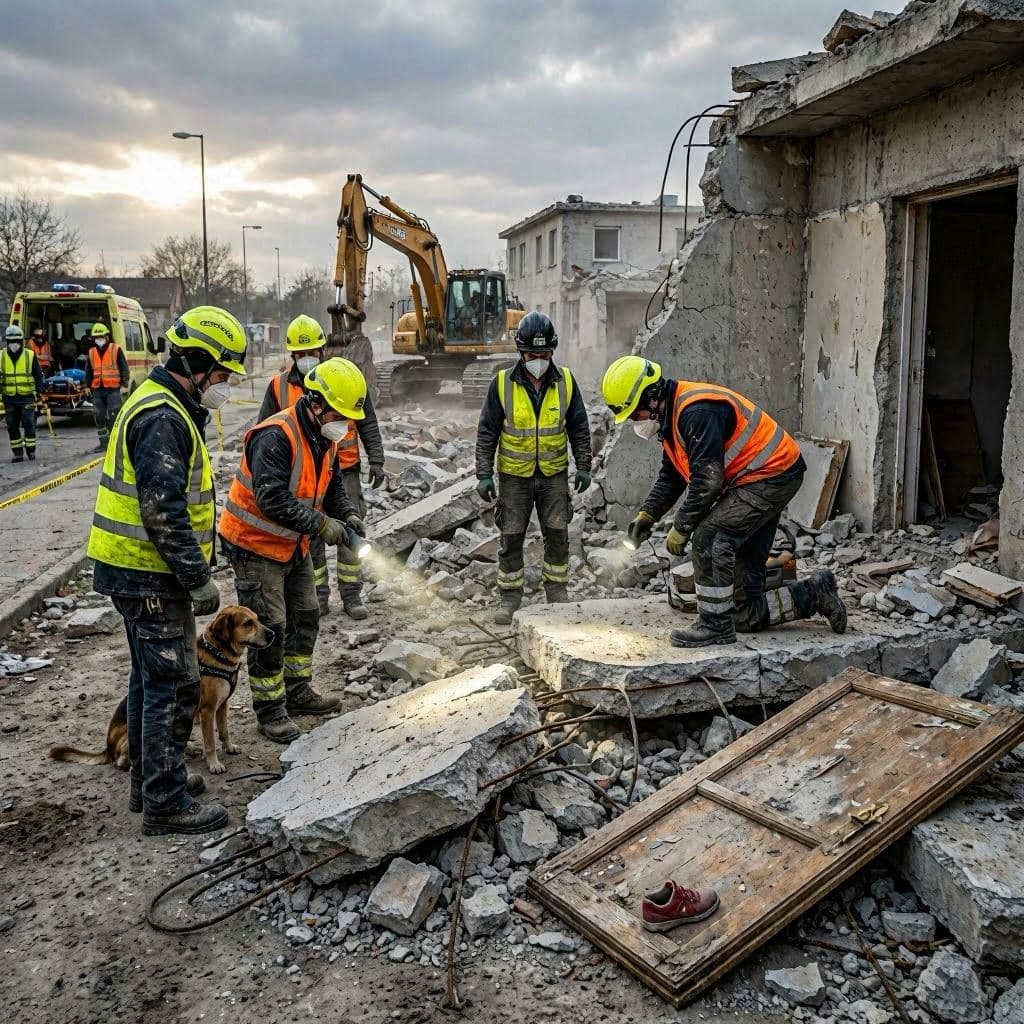
Body: The earthquakes struck with little warning, collapsing buildings and infrastructure across affected regions. Rescue teams worked tirelessly in the days following the disaster, searching through rubble for survivors and recovering the deceased. Each number in the rising death toll represents a life cut short, a family shattered, and a community mourning. The sheer magnitude of the loss is difficult to comprehend, leaving many in a state of disbelief and grief.
As the search for survivors transitions to recovery, the focus shifts to the immense task of rebuilding. Roads, bridges, and homes lie in ruins, requiring substantial resources and coordination to restore. The Venezuelan government, alongside international aid organizations, is mobilizing efforts to provide shelter, food, and medical care to those displaced. However, the scale of the damage far exceeds immediate capacities, highlighting the need for sustained global support.
The economic impact of the disaster is also significant. Venezuela, already grappling with economic challenges, faces additional strain as resources are diverted to emergency response and reconstruction. Businesses are disrupted, and livelihoods are lost, compounding the suffering of those affected. The path to economic recovery will be long and arduous, requiring careful planning and investment to ensure sustainable development.
Community solidarity has emerged as a beacon of hope amidst the devastation. Neighbors help neighbors, sharing resources and offering emotional support. Local volunteers play a crucial role in distribution efforts and cleanup operations, demonstrating the strength of human connection in times of crisis. This grassroots response is vital, filling gaps where formal systems may be overwhelmed or slow to react.
International aid has begun to arrive, with countries and organizations sending supplies, medical teams, and financial assistance. This global outpouring of support underscores the shared humanity that transcends borders. However, logistical challenges and political complexities can hinder the efficient delivery of aid, requiring careful coordination and diplomacy to ensure it reaches those most in need.
The psychological toll on survivors cannot be overlooked. Trauma from such a catastrophic event can have long-lasting effects, requiring mental health support and counseling services. Community programs aimed at healing and resilience are essential to help individuals and families rebuild their lives not just physically, but emotionally. It is a holistic approach to recovery that addresses the full spectrum of human needs.
Closing: In the end, the earthquake in Venezuela is a tragedy that demands a compassionate and coordinated response. As the nation begins the long journey of recovery, the support of the international community will be crucial. The hope is that through unity and perseverance, Venezuela can rebuild stronger and more resilient, honoring the memory of those lost by creating a safer future for all.
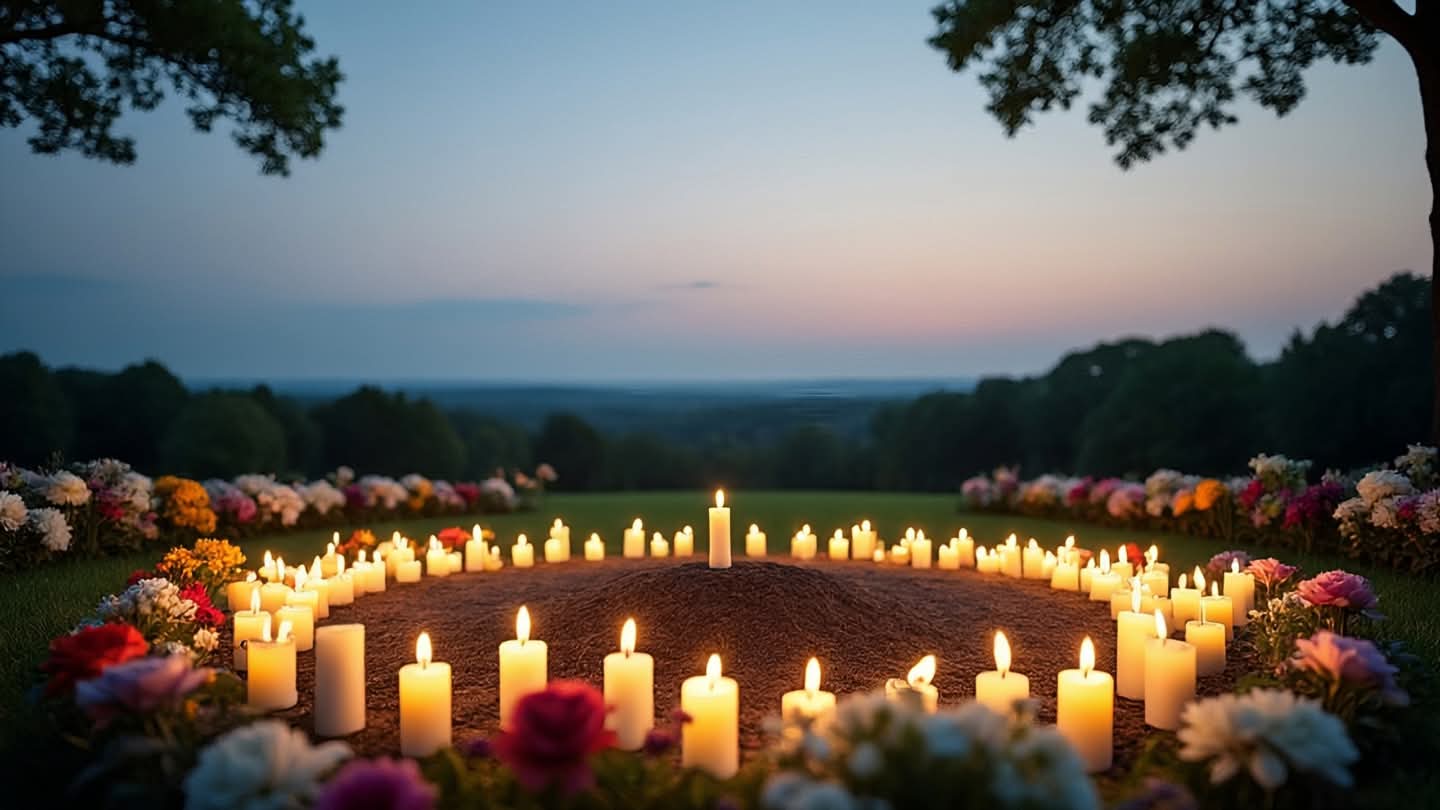
AI Image Disclaimer: The visual representations associated with this article are AI-generated artistic interpretations designed to illustrate the themes of disaster and recovery.
Sources: Reuters Associated Press BBC News
Published by Banx Network. This article is part of the Banx decentralized media programme, powered by the BXE token on the XRP Ledger.