

Key Highlights
- Four fatalities reported due to mushroom poisonings in California.
- Over three dozen cases of serious illness linked to toxic mushrooms.
- Health officials urge against foraging wild mushrooms this season.
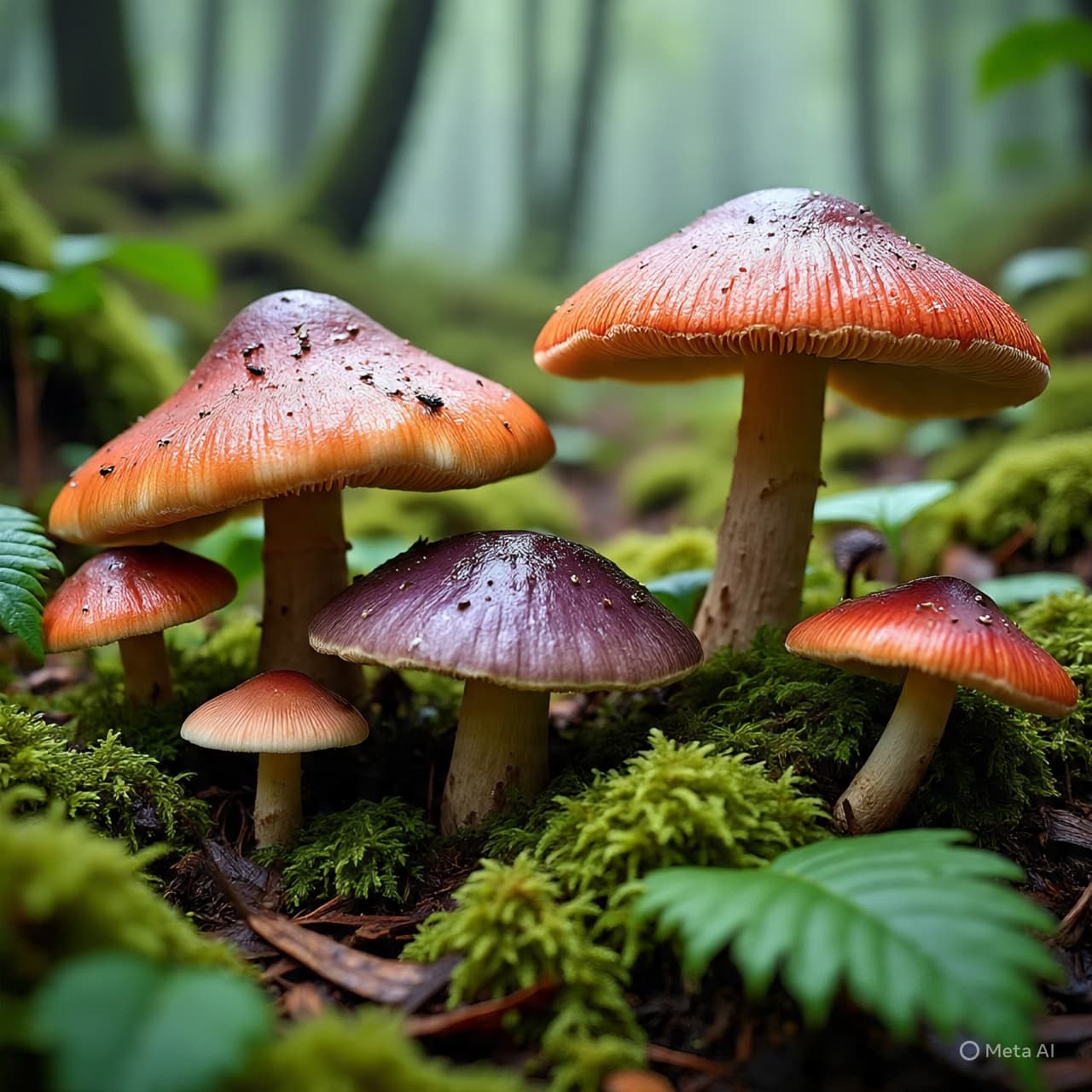
In the aftermath of recent winter rains, California's forests have come alive with a vibrant array of mushrooms. However, this seasonal bounty has brought with it a hidden danger that has led to tragic consequences. In recent weeks, four individuals have lost their lives after consuming the toxic death cap mushroom, a species that can be easily mistaken for edible varieties. This alarming trend has prompted health officials to issue urgent warnings to the public about the risks associated with foraging for wild mushrooms.
The California Department of Public Health (CDPH) has reported a significant increase in mushroom poisonings this season, with more than three dozen cases of serious illness. This is a stark contrast to the typical annual average, which usually sees only a handful of such incidents. Among those affected, three individuals required liver transplants as medical teams raced against time to counteract the effects of the potent toxins found in the death cap mushroom. The victims ranged in age from infants to the elderly, highlighting the indiscriminate nature of this crisis.
The death cap mushroom, known scientifically as Amanita phalloides, is particularly insidious due to its resemblance to several safe and edible mushroom species. Its deceptive appearance can lead even seasoned foragers to mistakenly identify it as a harmless variety. Symptoms of poisoning often begin with nausea and abdominal cramps, which can create a false sense of recovery before the liver damage becomes apparent. This delayed onset of severe symptoms complicates diagnosis and treatment, making it crucial for anyone who suspects they have ingested a toxic mushroom to seek immediate medical attention.
In response to the rising number of poisonings, local health departments across California have launched educational campaigns aimed at raising awareness about the dangers of mushroom foraging. These initiatives are designed to reach diverse communities, many of whom have cultural traditions surrounding mushroom hunting. Health officials emphasize that even experienced foragers can struggle to differentiate between safe and toxic mushrooms, urging everyone to avoid foraging altogether this year.
The warnings have been disseminated in multiple languages to ensure that all Californians and visitors are informed about the risks. Health officials are encouraging the public to rely solely on commercially available mushrooms that have been properly identified and labeled. They stress the importance of education and awareness in preventing further tragedies, as the allure of foraging can often overshadow the potential dangers.
As the lush landscape of California continues to thrive post-rain, the act of gathering mushrooms—a practice steeped in tradition and nostalgia—has taken on a new and perilous dimension. For many, this ritual is a cherished connection to nature, but the current season's unexpected bloom has transformed it into a source of anxiety and fear. The gentle yet urgent advice from health officials serves as a reminder of the fine line between nourishment and danger in the natural world.
In light of these developments, it is imperative for anyone considering foraging to heed the warnings and prioritize safety. The message is clear: trust only mushrooms that come from reliable sources and seek immediate medical help if any symptoms arise after potential ingestion. As California navigates this season of growth, the hidden threats posed by wild mushrooms underscore the need for caution and awareness in the face of nature's unpredictable bounty.
Published by Banx Network. This article is part of the Banx decentralized media programme, powered by the BXE token on the XRP Ledger.




