
Key Highlights
- Over a million displaced:The ongoing conflict has forced more than a million people from their homes in Gaza.
- Dire living conditions:Makeshift camps lack sanitation, clean water, and safety, leading to health risks.
- Psychological toll:Families face sleepless nights, battling hunger and fear amid the chaos.
In the aftermath of the ongoing conflict in Gaza, the night has become a time of heightened awareness and struggle for displaced families. As the sun sets, the air cools, and the sounds of the day fade, the reality of life in makeshift camps becomes starkly apparent. Families lie awake, listening to the unsettling noises of their surroundings—plastic scraping against dirt, the hum of generators, and the scurrying of vermin drawn to the remnants of their survival.
For those who have fled their homes, sleep is no longer a refuge. It is interrupted by hunger, cold, and the creeping presence of rats, which have become unwelcome companions in their nightly vigil. Testimonies from residents, shared with humanitarian workers and presented in legal arguments abroad, paint a vivid picture of life in these camps. The invasion they face is not just from military forces but from the very night itself, which brings with it a host of challenges.
Since the escalation of conflict following the October 7 attacks, the displacement crisis has deepened. Many families, believing their displacement would be temporary, have found themselves living in tents for months. Roadsides, farmland, and sandy lots have transformed into overcrowded settlements, often devoid of basic necessities such as sanitation, clean water, and waste removal. In these dire conditions, health risks have surged, with reports of skin infections, gastrointestinal illnesses, and the psychological toll of living without privacy or safety.
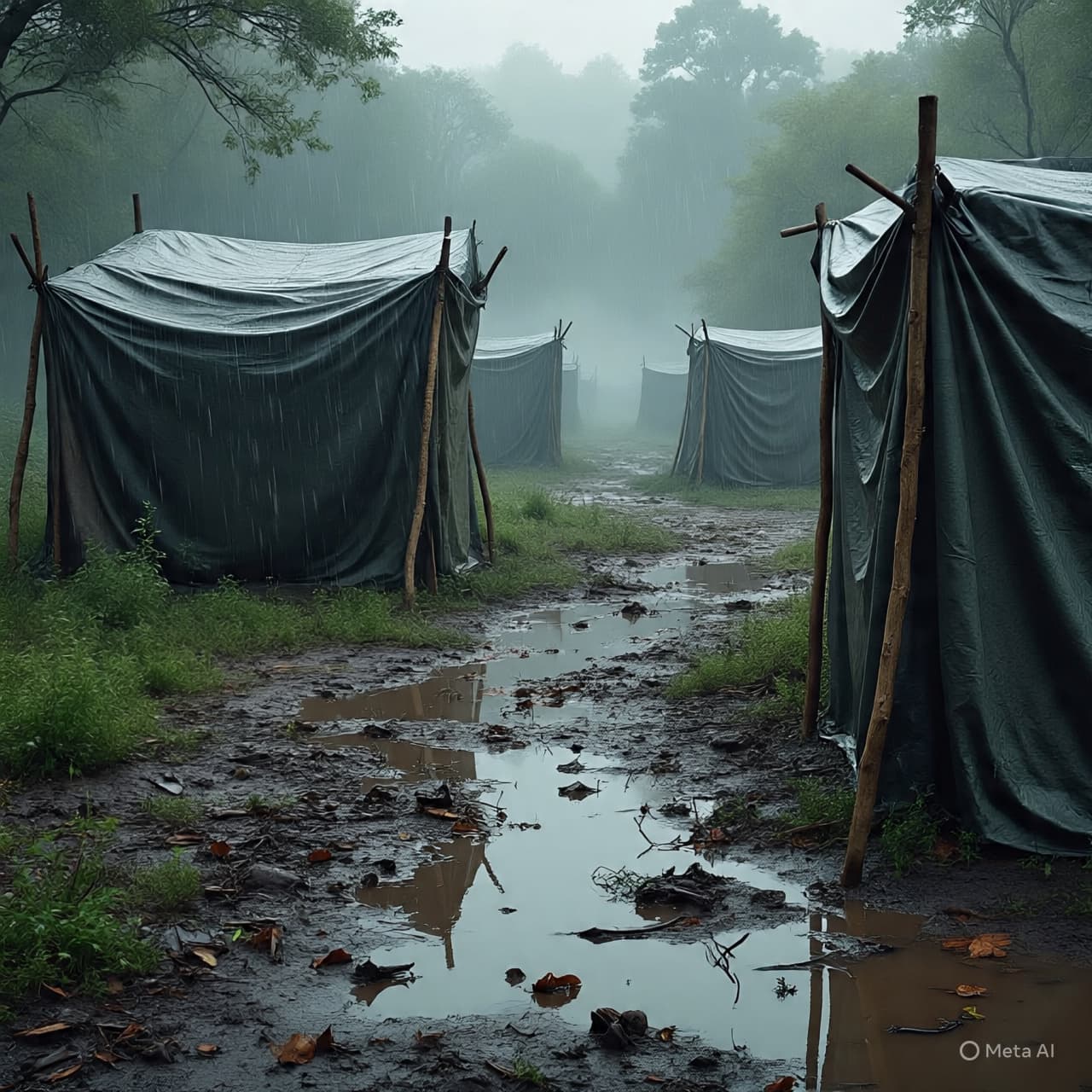
Children wake in the night, crying from fear or discomfort, while parents remain vigilant, guarding their families against the threats that lurk in the darkness. The winter rains have exacerbated the situation, turning some encampments into muddy quagmires, where food scraps and open sewage attract more rodents, blurring the line between human habitation and the harsh realities of the earth beneath them.
Legal representatives for Palestinian civilians have highlighted these living conditions in court, arguing that they reflect the broader consequences of the ongoing war. Their accounts are not mere metaphors; they are sworn testimonies that reveal the daily struggles faced by those living in Gaza, where the absence of shelter has become a pervasive reality.
Israeli authorities assert that military operations are aimed at Hamas infrastructure, claiming that civilian casualties are unintended. However, humanitarian organizations warn that the scale of displacement, coupled with restricted access to aid, creates an environment that erodes not only physical infrastructure but also human dignity. When the land itself becomes hostile, survival requires constant vigilance and resilience.
As diplomatic efforts stall and ceasefire negotiations remain elusive, the camps continue to house those displaced. The rats will follow the food, the cold will follow the calendar, and families will persist in their struggle for rest, waiting for a dawn that promises more than mere endurance. In Gaza, the war is measured not only in airstrikes and political statements but also in the restless hours between dusk and dawn, where the ground beneath them refuses to remain still.
Published by Banx Network. This article is part of the Banx decentralized media programme, powered by the BXE token on the XRP Ledger.



