
Key Highlights
- Earthquakes:Two powerful earthquakes struck Venezuela, causing widespread destruction.
- Rescue Operations:Emergency crews are conducting intensive search-and-rescue efforts.
- International Aid:Humanitarian organizations and neighboring countries are providing support.
In the hours after the earth stopped shaking, silence settled unevenly across affected communities in Venezuela. Broken walls, damaged roads, and anxious families became reminders of how quickly ordinary life can be interrupted when nature shifts beneath people's feet. The recent earthquakes have left a profound impact on the nation, prompting immediate action from both local and international entities.
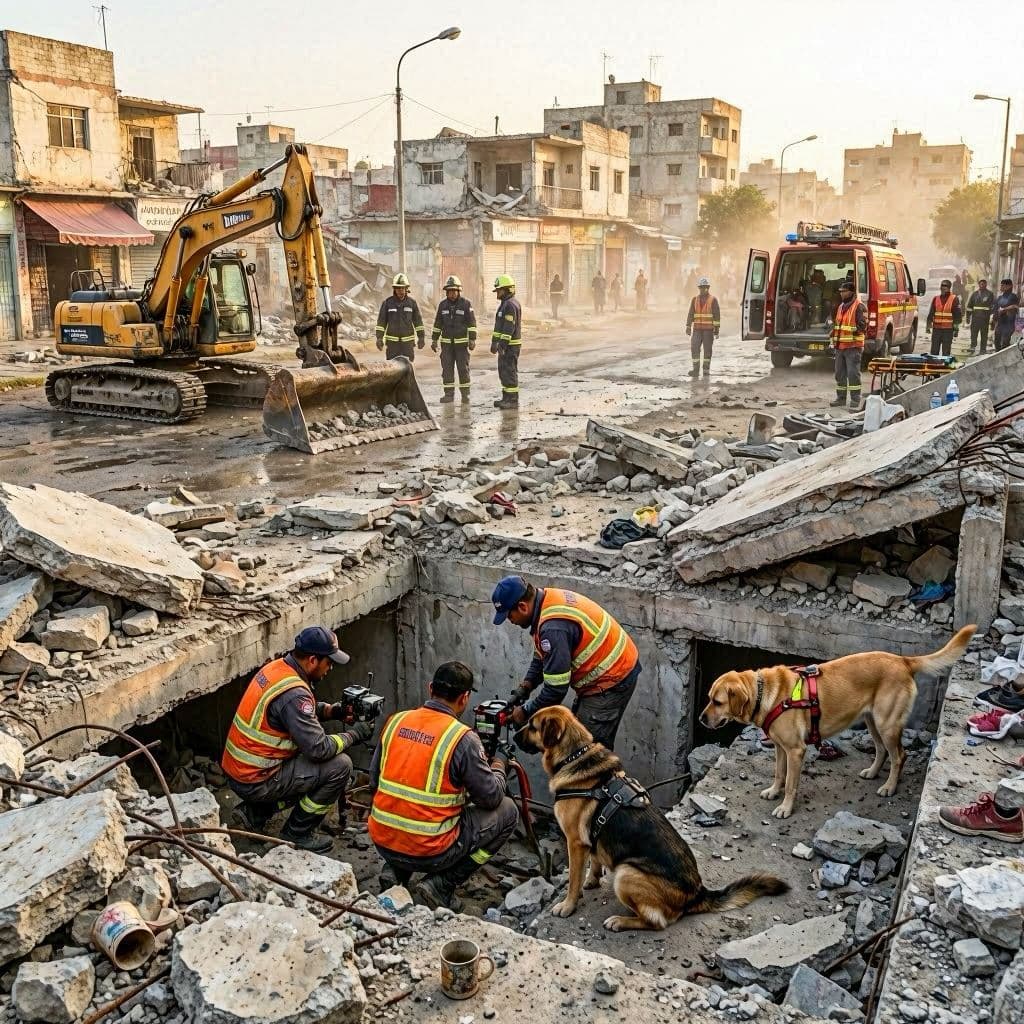
Emergency crews across impacted regions have continued intensive search-and-rescue operations following the two powerful earthquakes that struck the country. Authorities mobilized firefighters, military personnel, medical teams, and volunteers to assist residents trapped beneath collapsed structures. Rescue teams worked around the clock, often using specialized equipment alongside trained search dogs to locate survivors. In several locations, heavy machinery was carefully deployed to remove debris while minimizing additional risks to those potentially trapped.
Government officials reported significant damage to residential buildings, public facilities, and transportation infrastructure. Power disruptions and communication outages further complicated emergency efforts, particularly in more remote areas. The scale of the destruction has raised concerns about the long-term recovery process, as many families are left without homes or access to essential services.
International humanitarian organizations have also offered assistance. Neighboring countries and regional partners expressed solidarity, while emergency agencies coordinated efforts to deliver medical supplies, temporary shelter materials, and essential resources. The collaborative response highlights the importance of regional cooperation in times of crisis, as countries come together to support those in need.
Seismologists continue assessing the earthquakes' magnitude and aftershock activity. Experts cautioned that aftershocks remain possible in the days following the initial events, urging residents to remain vigilant and follow official guidance. The unpredictability of aftershocks adds to the anxiety of affected communities, who are still grappling with the immediate aftermath of the disaster.
Natural disasters often leave lasting effects beyond physical destruction. Psychologists and humanitarian workers emphasized the importance of mental health support for affected families, especially children who may continue experiencing distress after the disaster. Addressing mental health needs is crucial for fostering resilience and recovery in the long term.
Authorities stated that damage assessments and recovery planning are underway. While rescue operations remain the immediate priority, reconstruction efforts are expected to continue long after emergency crews complete their work. The path to recovery will be challenging, but the resilience of the Venezuelan people shines through as they seek hope amid the devastation.
Published by Banx Network. This article is part of the Banx decentralized media programme, powered by the BXE token on the XRP Ledger.



