

Key Highlights
- Significant damage reported across multiple regions in Venezuela.
- Emergency services continue to operate, focusing on recovery and support.
- International organizations offer assistance and solidarity.
In the wake of the recent earthquakes that struck Venezuela, communities are now facing the arduous journey of recovery. The seismic events, which caused widespread destruction, have left many residents grappling with the aftermath. As the dust settles, the focus shifts from immediate rescue operations to long-term recovery efforts, highlighting the resilience of the Venezuelan people.
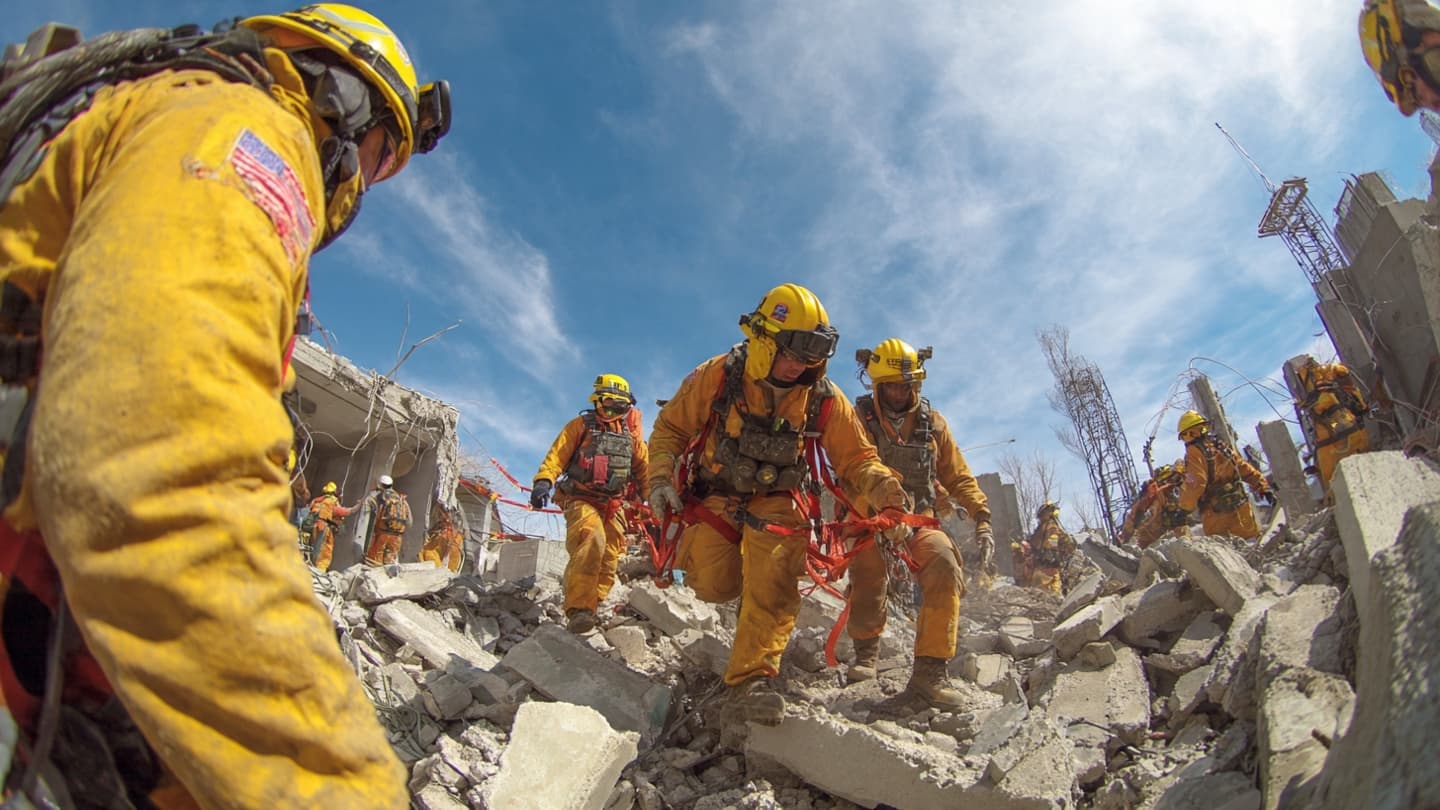
Rescue teams, alongside local authorities and volunteers, have been tirelessly working in the affected areas. Their efforts include searching through the rubble of damaged buildings and assessing the extent of the destruction. Reports indicate that homes, public infrastructure, and essential services have suffered significant damage, leading to disruptions in electricity, water supply, and communication systems. These challenges complicate the ongoing emergency response efforts, making it crucial for authorities to act swiftly and efficiently.
In response to the disaster, temporary shelters have been established for those displaced. Humanitarian organizations are actively distributing food, clean drinking water, medical supplies, and other essential items to families who have lost access to basic services. The need for immediate assistance is evident as many residents struggle to cope with the loss of their homes and livelihoods.
Seismologists have warned that aftershocks may continue to pose a risk in the region. Emergency agencies are advising residents to remain vigilant and adhere to safety protocols. This precautionary approach is vital in ensuring the safety of those still living in precarious conditions.
The earthquakes have also underscored the vulnerability of Venezuela's infrastructure, particularly in areas prone to seismic activity. Experts are calling for a reevaluation of building standards and disaster preparedness measures to enhance long-term resilience against future natural disasters. Strengthening these frameworks is essential for protecting communities and minimizing the impact of similar events in the future.
International solidarity has been evident, with various organizations and neighboring countries offering assistance to Venezuela. Humanitarian coordination efforts are expected to ramp up as damage assessments become more comprehensive. This support is crucial in helping the nation navigate the complexities of recovery and rebuilding.
Despite the challenges, the spirit of community support shines through. Neighbors are helping each other, volunteers are clearing debris, and families are returning to their damaged homes, showcasing the determination and resilience of the Venezuelan people. As emergency operations continue, authorities remain focused on locating survivors, restoring essential services, and providing ongoing support to affected communities throughout this difficult recovery process.
The road ahead may be long, but the collective efforts of individuals, organizations, and governments are paving the way for a hopeful future in Venezuela.
Published by Banx Network. This article is part of the Banx decentralized media programme, powered by the BXE token on the XRP Ledger.




