

Key Highlights
- Incident:A warehouse fire in Boyle Heights, Los Angeles, has left residents grappling with a persistent odor.
- Community Impact:The smell of rotting meat has disrupted daily life for those living nearby.
- Cleanup Challenges:Local officials face difficulties in managing the aftermath and ensuring safety.
The aftermath of a fire often brings to mind images of smoke, destruction, and emergency responders working tirelessly to mitigate immediate dangers. However, for residents near a warehouse fire in Boyle Heights, Los Angeles, the lingering effects have manifested in a more insidious form: an overwhelming odor that has altered their daily lives. What began as a dangerous emergency has evolved into an ongoing environmental concern, as the smell of rotting meat permeates the neighborhood, creating discomfort and distress for those affected.
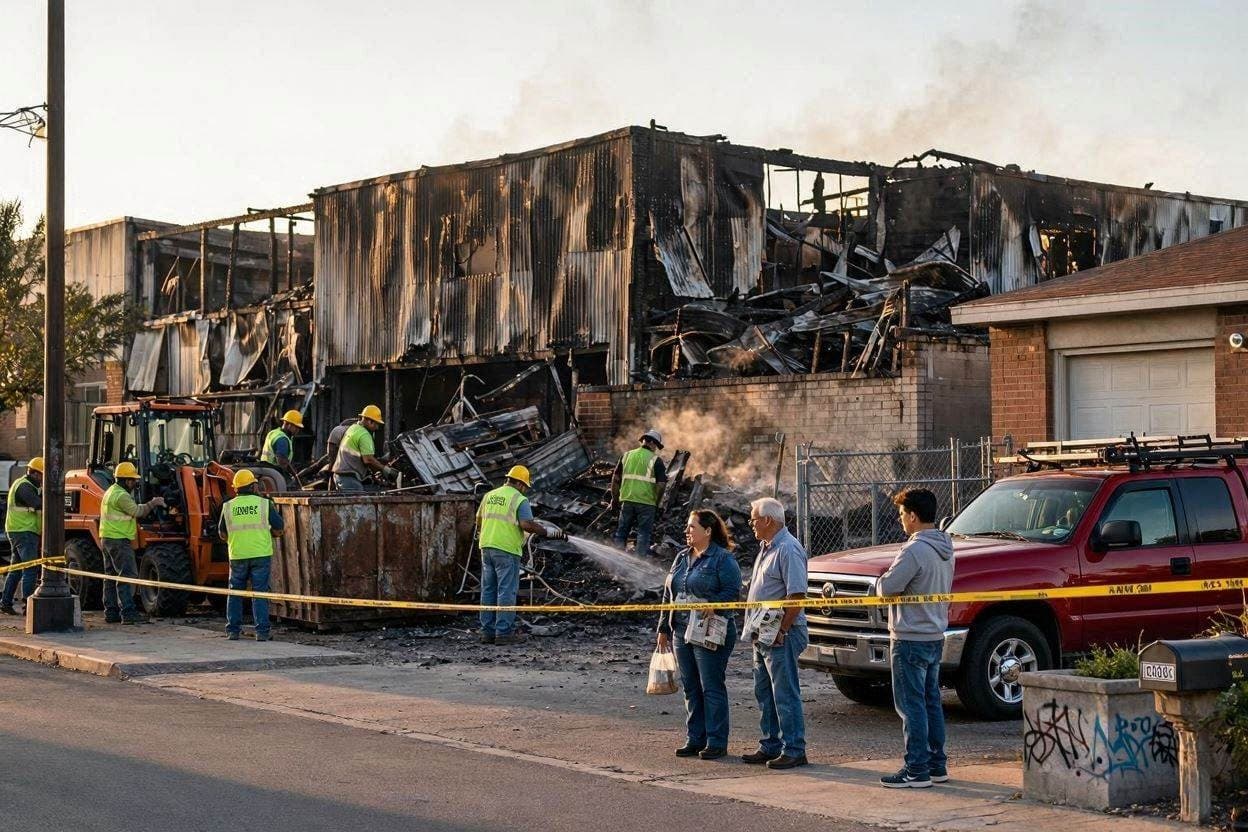
The fire, which occurred at a warehouse facility that stored large quantities of meat products, has left a lasting mark on the community. Cleanup crews have faced significant challenges in removing debris and addressing the hazardous materials left behind. Residents have reported that the odor is not only unpleasant but also difficult to escape, infiltrating homes, streets, and local businesses. While the immediate threat of the fire has passed, the persistent smell serves as a reminder of the disaster's aftermath, affecting the quality of life for those living in proximity to the site.
Local officials and cleanup teams are tasked with the complex responsibility of managing the aftermath of the fire while ensuring the safety of the surrounding area. The removal of damaged materials from a commercial site requires meticulous planning, especially when food products are involved. The presence of fire-related damage adds another layer of concern, as sanitation and environmental safety become paramount in the recovery process.
This situation underscores the broader challenges that communities face following industrial fires. Emergency response efforts do not conclude with the extinguishing of flames; rather, recovery often involves addressing environmental impacts, safeguarding residents, and restoring a sense of normalcy. For those living near disaster sites, the aftermath can feel like an extended period of uncertainty. While physical damage may be visible, the effects on air quality and lingering odors can create a different kind of disruption, complicating daily routines and community life.
In many urban areas, industrial facilities are situated alongside residential neighborhoods, highlighting the need for effective safety planning and emergency management. When accidents occur, the relationship between businesses and surrounding communities becomes particularly evident. The residents affected by the warehouse fire in Boyle Heights continue to wait for conditions to improve as cleanup efforts progress. Their experience serves as a poignant reminder that recovery from a disaster is often a gradual process, measured not only by the rebuilding of structures but also by the restoration of comfort and confidence within the community.
As the cleanup continues, local officials are working diligently to address the concerns raised by residents. The hope is that with time, the unpleasant odors will dissipate, allowing the community to reclaim their sense of normalcy and well-being.
Published by Banx Network. This article is part of the Banx decentralized media programme, powered by the BXE token on the XRP Ledger.




