
Key Highlights
- Native speargrass has survived the recent wildfire in Tongariro National Park with minimal damage.
- The ecological recovery process is ongoing, with researchers monitoring the area.
- The fire has raised concerns about long-term impacts on the ecosystem.
The landscape of Tongariro National Park, known for its striking volcanic features and diverse ecosystems, recently faced a significant challenge when a wildfire swept through parts of the area. The aftermath of this event has left many wondering about the resilience of the native flora and the broader ecological implications. A recent report sheds light on the situation, revealing that native speargrass, a plant well-adapted to the harsh conditions of this alpine environment, has largely withstood the blaze.
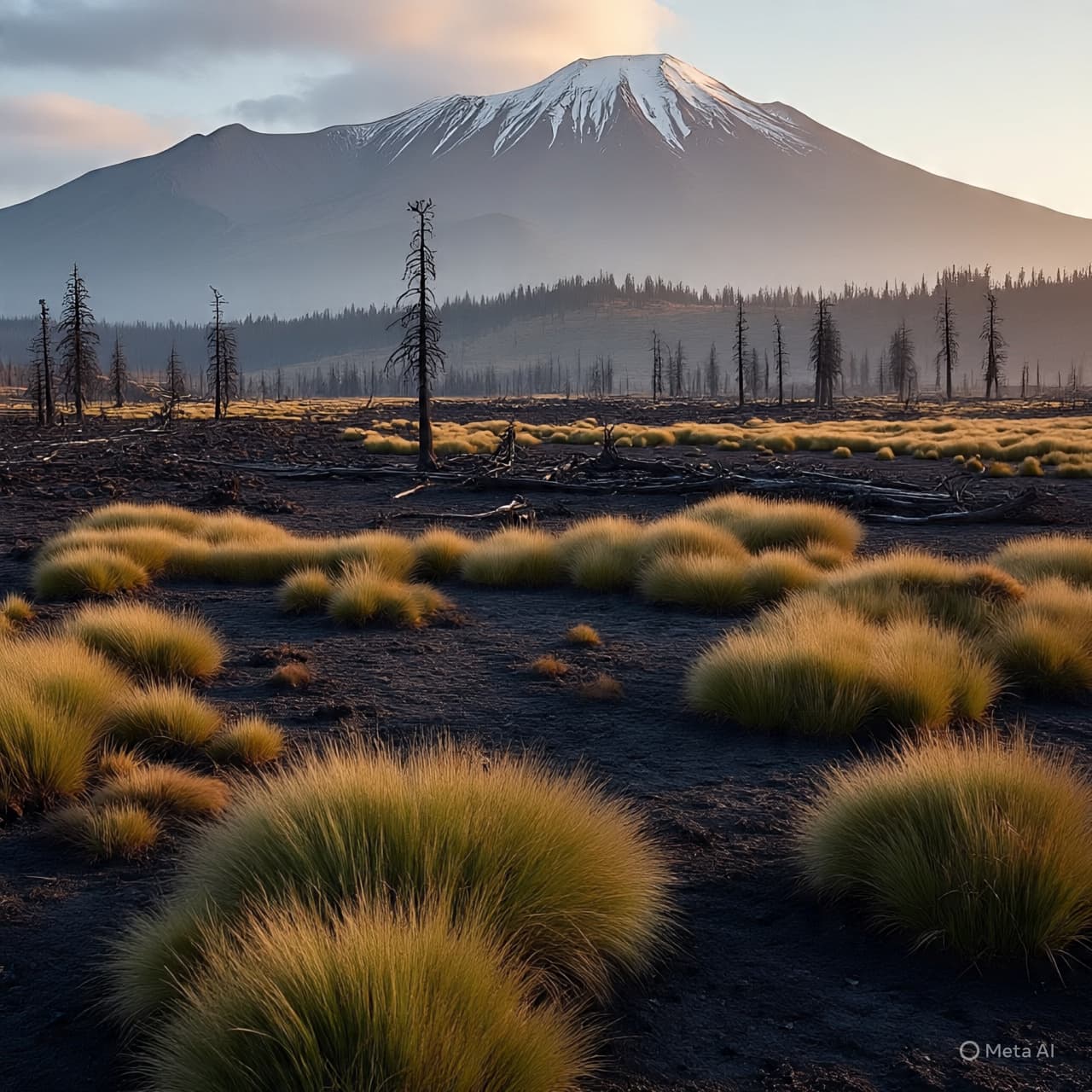
In the immediate aftermath of the fire, the landscape appeared stark and altered, with blackened earth and charred remnants of vegetation. However, the survival of speargrass offers a glimmer of hope amidst the devastation. This hardy plant, known for its ability to thrive in volcanic soils and withstand extreme weather conditions, has shown remarkable resilience. Researchers have noted that while other species may have suffered significant damage, speargrass has maintained its presence, suggesting a potential pathway for ecological recovery.
The role of speargrass in the ecosystem is crucial. As a native species, it not only stabilizes the soil but also provides habitat and sustenance for various wildlife. Its survival is indicative of a broader ecological resilience that can help facilitate the recovery of other plant species in the area. The findings from the report highlight the importance of monitoring these resilient plants as they play a vital role in the recovery process following such disturbances.
Despite the positive news regarding speargrass, the fire's impact on the surrounding ecosystem cannot be overlooked. The blaze has altered the delicate balance of plant life and the interconnected relationships within the ecosystem. Some species may take longer to recover, while others may struggle to reestablish themselves in the altered landscape. This uneven recovery underscores the complexity of ecological systems and the challenges they face in the wake of such events.
Researchers emphasize that recovery is not a linear process. The presence of resilient species like speargrass can provide a foundation for gradual regeneration, but the path to recovery will vary across different areas of the park. Continuous monitoring and assessment will be essential to understanding the long-term effects of the fire and the overall health of the ecosystem.
In conclusion, the findings from the Tongariro fire report serve as a reminder of nature's capacity for resilience. While the landscape has been altered, the survival of native speargrass offers hope for the future. As the park continues to recover, the interplay between destruction and regeneration will shape the ecological narrative of Tongariro National Park for years to come.
Published by Banx Network. This article is part of the Banx decentralized media programme, powered by the BXE token on the XRP Ledger.



