

Key Highlights
- Ongoing recovery efforts in Myanmar after a devastating earthquake.
- International humanitarian assistance is expanding to affected communities.
- Long-term planning is essential for rebuilding critical infrastructure.
In the aftermath of a natural disaster, the road to recovery is often fraught with challenges. In Myanmar, where a recent earthquake has left communities in distress, the process of rebuilding is not just about restoring physical structures but also about rekindling hope and confidence among the affected populations. Relief organizations are actively engaged in providing essential services, ensuring that the needs of those impacted are met as they begin to heal from profound loss.
International humanitarian assistance is crucial in Myanmar as recovery efforts unfold. Organizations are working closely with local authorities to deliver emergency shelter, food, medical supplies, and clean water to those in need. The collaborative approach aims to address immediate needs while laying the groundwork for longer-term recovery strategies.
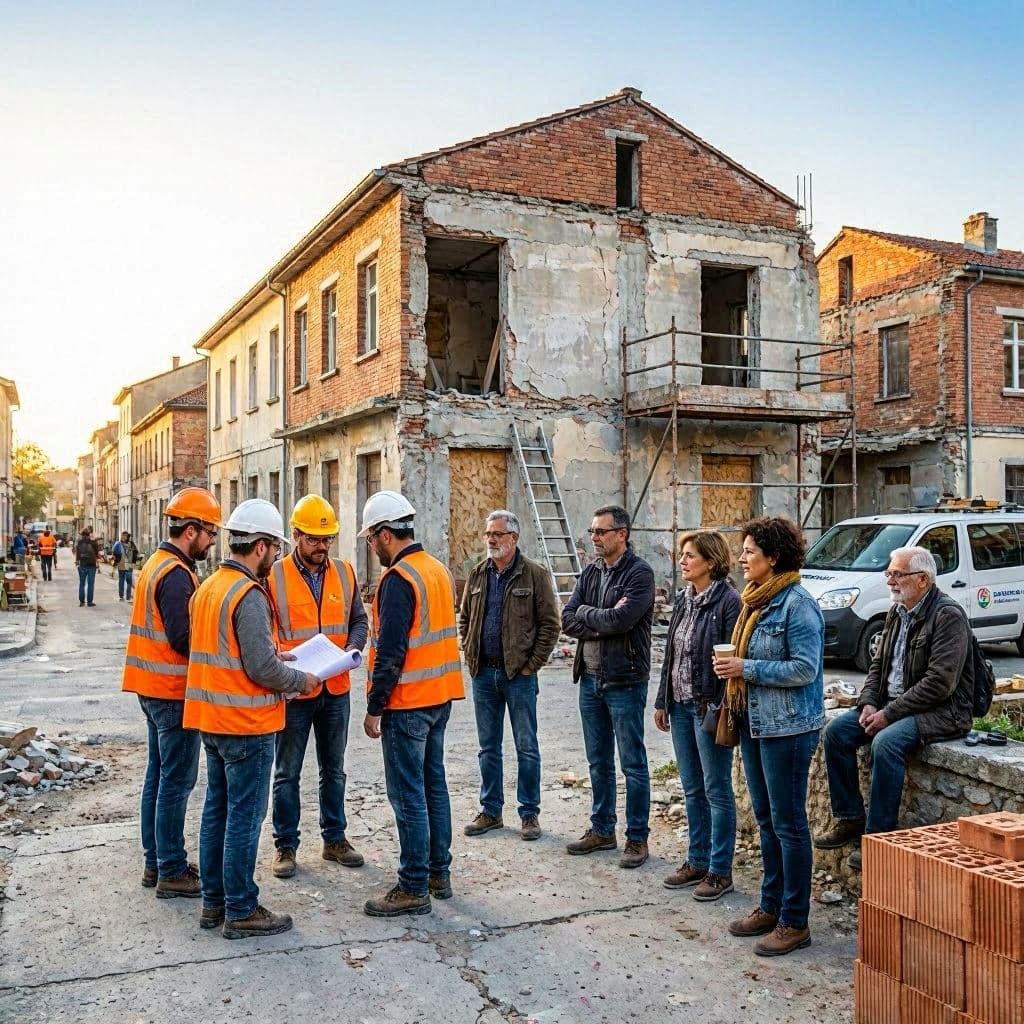
As search-and-rescue operations transition to long-term recovery, emergency teams are conducting structural assessments in heavily damaged areas. Engineers are evaluating buildings to determine which structures require reconstruction or additional safety measures. This careful assessment is vital to ensure that future infrastructure can withstand potential disasters.
Healthcare remains a priority in the recovery process. Medical teams are operating temporary clinics in affected regions, treating injuries and implementing public health programs to prevent disease outbreaks. The disruption of sanitation and the crowded conditions in temporary shelters pose significant health risks, making the work of healthcare workers critical in these early recovery stages.
Logistical challenges persist as international agencies strive to deliver relief supplies. Damaged roads and infrastructure complicate transportation efforts, but humanitarian officials emphasize the importance of restoring access to isolated communities. Without reliable transportation, reaching those in urgent need becomes increasingly difficult, highlighting the necessity of coordinated logistics in disaster response.
Support from neighboring countries and international organizations has been instrumental in the recovery efforts. Financial assistance, emergency personnel, and specialized equipment have been mobilized to aid in the response. This coordinated cooperation enhances the distribution of aid across multiple affected regions, ensuring that resources are allocated effectively.
Experts stress that rebuilding critical infrastructure—such as schools, hospitals, roads, and public utilities—requires sustained planning beyond the immediate emergency phase. Community participation will be essential throughout the reconstruction process, as local input can guide efforts to create resilient and sustainable environments for future generations.
As relief efforts continue, humanitarian organizations underscore the importance of consistent international support and local resilience. For many families, the journey to rebuild their homes is just one aspect of restoring their daily lives after a disaster that has reshaped entire communities. The path forward will demand collaboration, innovation, and a commitment to rebuilding not just structures, but the very fabric of society.
Published by Banx Network. This article is part of the Banx decentralized media programme, powered by the BXE token on the XRP Ledger.




