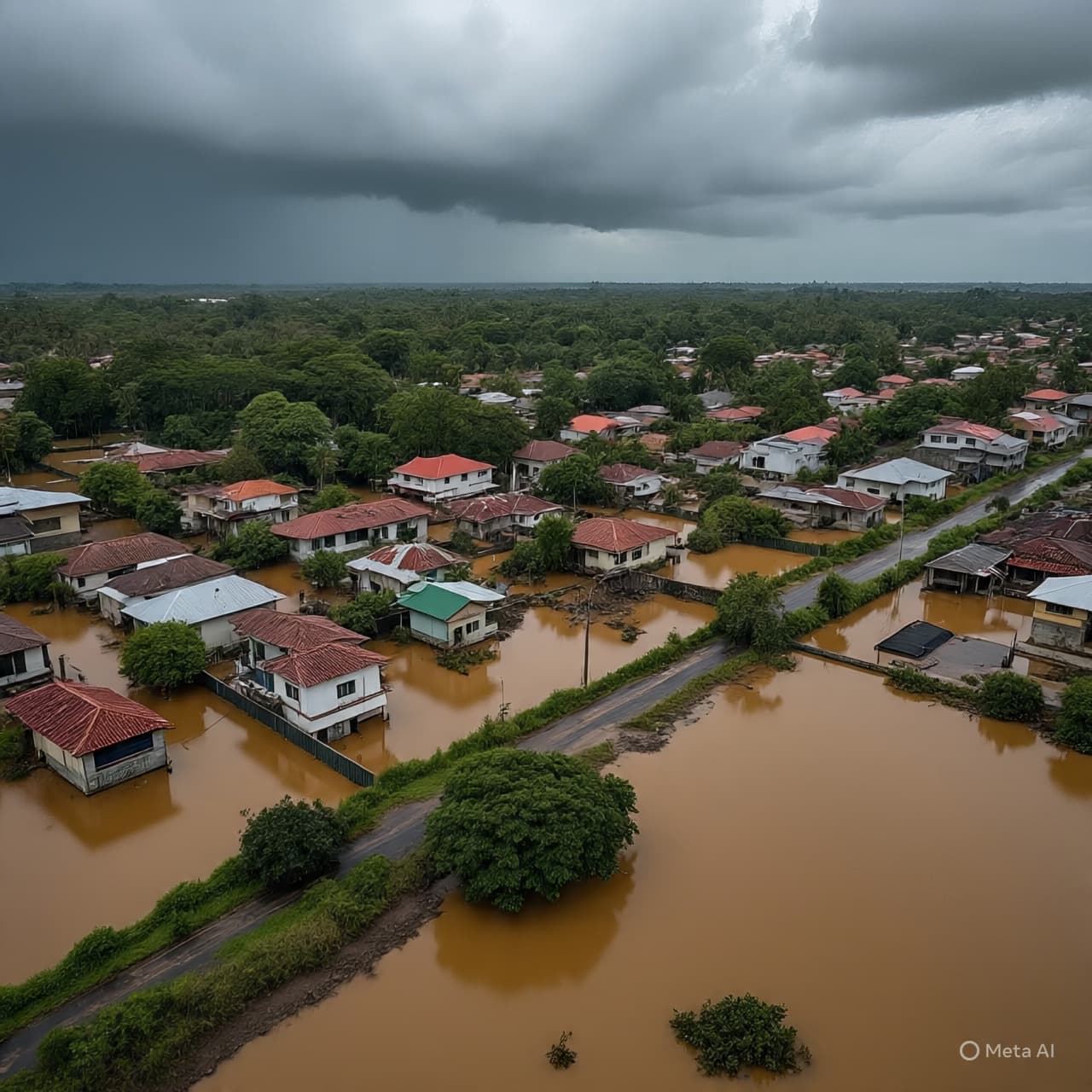
Rain in southeastern Brazil does not always arrive with drama. Sometimes it begins as a fine silver veil over tiled rooftops, a steady percussion against palm leaves, a softening of hills that usually stand sharp against the horizon. But when the clouds linger too long over valleys already familiar with water, the rhythm shifts. Rivers swell beyond their banks. Streets lose their names. The ordinary geometry of neighborhoods dissolves into reflection and current.
In recent days, torrential rains have swept across parts of southeastern Brazil, triggering floods and landslides that have claimed at least 46 lives, according to state authorities. Entire communities have found themselves caught between rising waters and unstable hillsides, as emergency teams work through mud and debris in search of those still missing. The region, which includes densely populated urban corridors and steep rural terrain, has seen roads cut off and homes swept from their foundations.
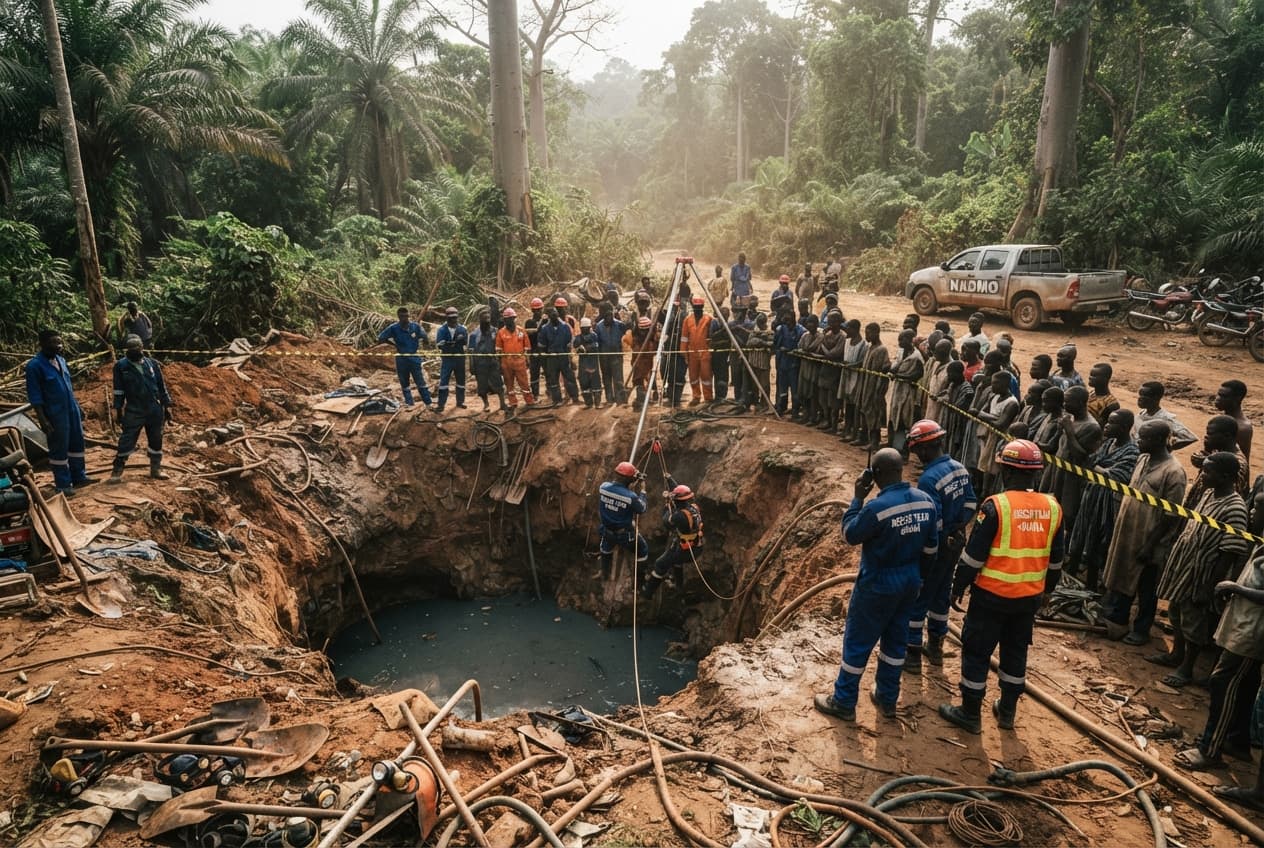
Rescue crews — firefighters, civil defense workers, volunteers — have moved by boat through submerged streets and climbed into areas where the earth has given way. Helicopters circle above neighborhoods marooned by water, lowering supplies or scanning for signs of life. In some towns, sirens echo between buildings, a sound that merges with the steady rush of runoff descending from saturated slopes.
Officials have described the rainfall as intense and persistent, overwhelming drainage systems and saturating soil to the point of collapse. Landslides have proven especially deadly, as hillsides loosened by days of precipitation gave way beneath houses built along precarious inclines. Meteorologists note that southeastern Brazil, particularly in the summer months, is prone to heavy downpours. Yet each season brings its own scale of impact, shaped by urban expansion, topography, and the uneven protections available to communities.
Temporary shelters have opened in schools and community centers, where families gather with what they were able to carry — documents wrapped in plastic, a change of clothes, photographs rescued from damp rooms. Local governments have declared states of emergency in several municipalities, mobilizing federal assistance and coordinating the distribution of food, water, and medical care.
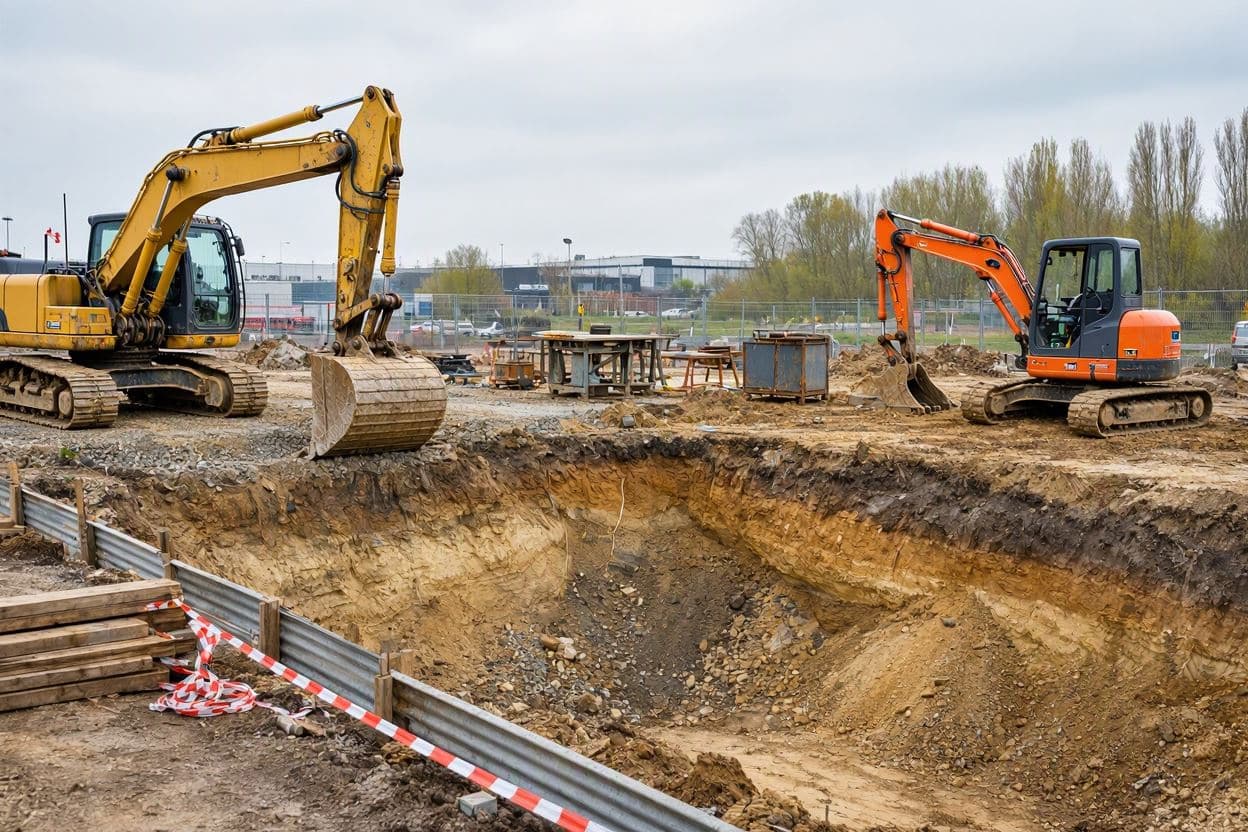
The human toll continues to rise as search operations press on. Authorities have said that dozens remain unaccounted for, and that rescue efforts are complicated by blocked roads and unstable ground. Heavy machinery works carefully in areas struck by landslides, as teams balance urgency with caution.
In cities accustomed to the pulse of commerce and coastal breeze, daily life has narrowed to essentials: safety, communication, the steady accounting of who has returned home and who has not. Social media channels fill with offers of help, lists of missing persons, and updates from officials urging residents to avoid flooded zones.
As the rains begin to ease in some areas, attention turns to recovery — to clearing debris, restoring electricity, assessing structural damage. Yet for many families, the reckoning will extend beyond the visible scars left on streets and hills. It will linger in memory, in the quiet spaces where routine once stood.
The forecast may promise clearer skies, but the work of rebuilding moves at a slower pace than weather. Southeastern Brazil has known such seasons before, when water redraws the map and communities must gather themselves again. For now, rescue teams continue their search, moving through mud and silence, guided by the hope that even amid loss, someone more might yet be found.
AI Image Disclaimer Illustrations were created using AI tools and are not real photographs.
Sources (names only) Associated Press Reuters BBC News G1 Globo
Published by Banx Network. This article is part of the Banx decentralized media programme, powered by the BXE token on the XRP Ledger.