For years, travel was defined by congestion — packed streets, overbooked landmarks, and the familiar feeling of arriving somewhere just as its magic began to fade. But as global travel patterns continue to shift, a quieter transformation is underway. Some of the world’s most visited places are rediscovering balance, offering travelers a chance to experience them as they once were: unhurried, human, and unexpectedly intimate.
Across continents, destinations once overwhelmed by numbers are breathing again. In parts of southern Europe, smaller cities that once overflowed with summer crowds now move at a gentler pace. Cafés reopen without queues spilling onto cobblestones, and local rhythms have returned to streets long shaped by tourism’s demands. The experience feels less like sightseeing and more like belonging.
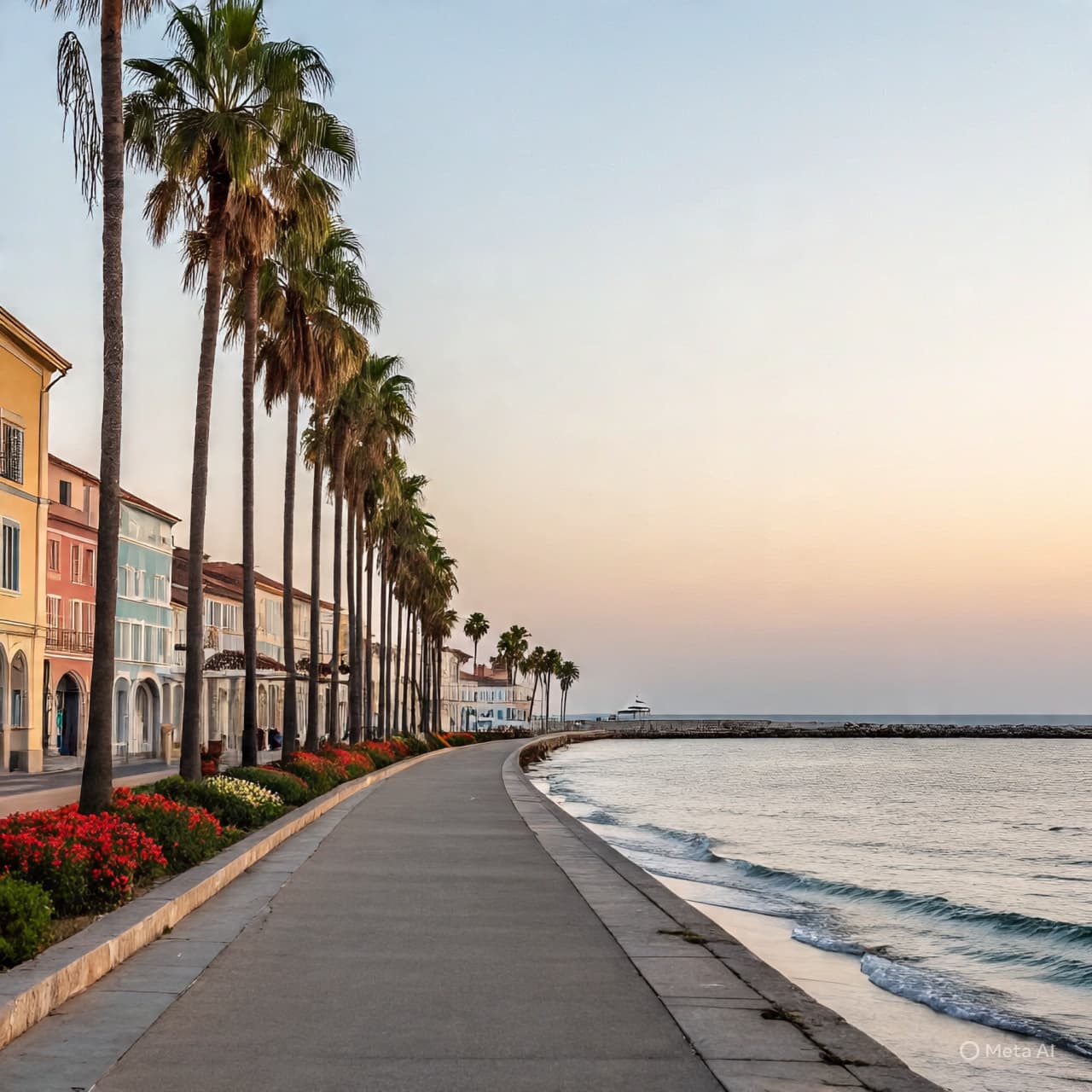
Elsewhere, nature-led destinations are quietly reemerging. Coastal towns, mountain villages, and island communities that once struggled with overtourism have reoriented toward sustainability. Visitor numbers are lower, but engagement is deeper. Trails are less worn, shorelines calmer, and the sense of place more intact.
Some of these changes stem from evolving travel habits. Remote work has softened seasonal peaks. Travelers now seek longer stays, fewer destinations, and more meaningful encounters. Others are drawn to places once overshadowed by famous neighbors, discovering that beauty often thrives just beyond the spotlight.
What unites these destinations is not a return to obscurity, but a recalibration. The absence of crowds has created space — for local culture to breathe, for infrastructure to recover, and for visitors to connect more thoughtfully with where they are. Travel, in this context, becomes less about consumption and more about presence.
As 2026 unfolds, these quieter corners offer something increasingly rare: the chance to experience a place without competing for it. In a world slowly redefining how and why it moves, the absence of crowds may prove to be the greatest luxury of all.
Published by Banx Network. This article is part of the Banx decentralized media programme, powered by the BXE token on the XRP Ledger.