
Key Highlights
- Travel Transformation:Destinations are shifting from overcrowded to tranquil.
- Sustainable Practices:Communities are embracing sustainability amid lower visitor numbers.
- Meaningful Engagement:Travelers seek deeper connections with places.
As global travel patterns evolve, a significant transformation is taking place in some of the world’s most frequented destinations. Once defined by congestion and overwhelming crowds, these places are now rediscovering their tranquility, offering travelers a chance to experience them in a more intimate and unhurried manner. This shift is not merely a return to normalcy but a recalibration of how we engage with the world around us.
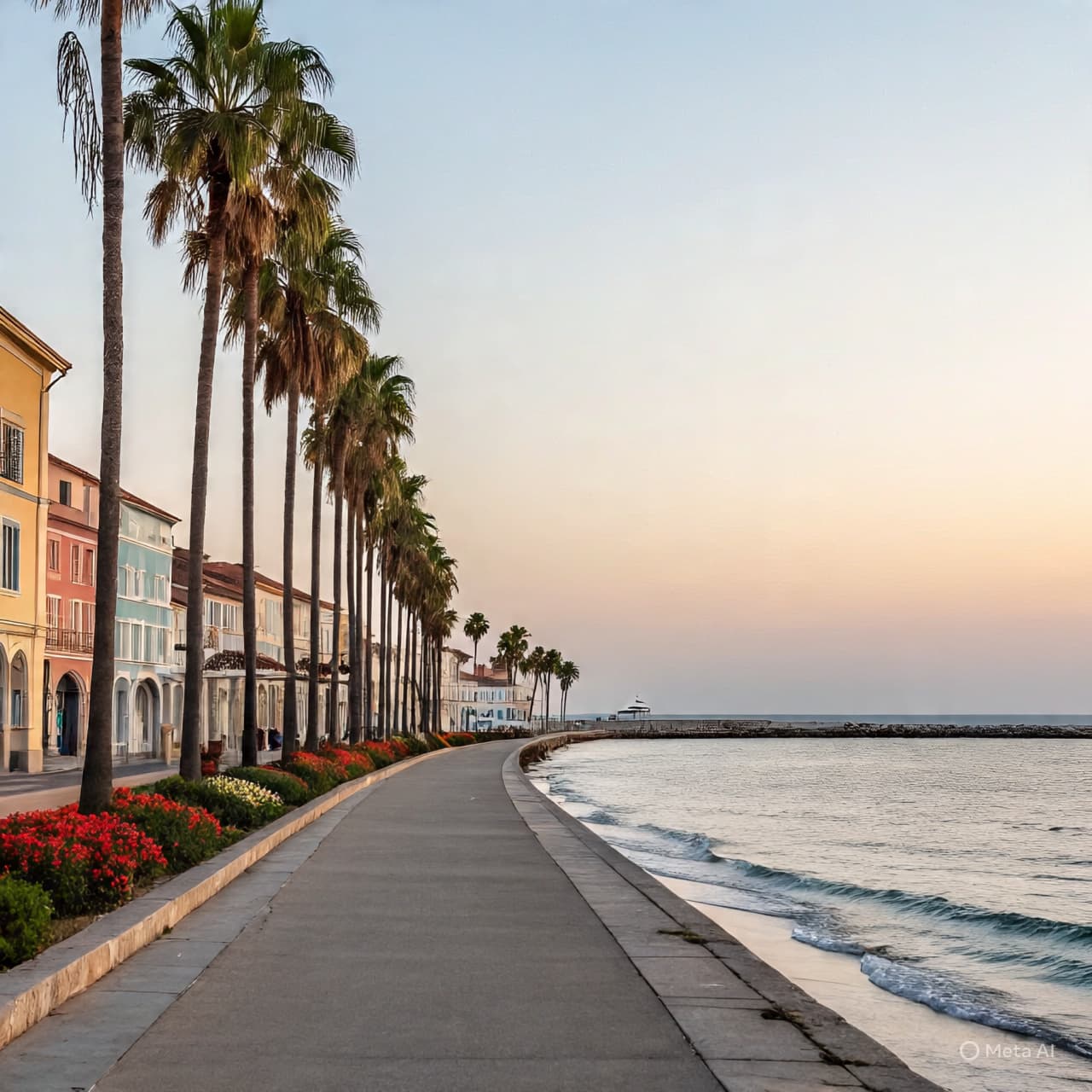
In southern Europe, for example, smaller cities that were once inundated with summer tourists are now moving at a gentler pace. Cafés that used to have lines spilling onto the streets are reopening without the usual wait, allowing locals and visitors alike to enjoy their surroundings without the pressure of tourism. This change fosters a sense of belonging rather than mere sightseeing, as travelers can immerse themselves in the local culture and rhythms.
Nature-led destinations are also experiencing a quiet resurgence. Coastal towns, mountain villages, and island communities that previously struggled with the impacts of overtourism are now focusing on sustainability. With visitor numbers reduced, these areas are seeing a return to their natural beauty. Trails are less worn, shorelines are calmer, and the essence of these places remains intact, allowing for a more authentic experience.
The evolving travel habits of individuals play a crucial role in this transformation. The rise of remote work has softened the traditional peaks of travel seasons, leading to longer stays and fewer destinations being explored. Travelers are increasingly drawn to lesser-known places that were once overshadowed by their more famous counterparts, discovering that beauty often lies just beyond the spotlight.
What connects these emerging destinations is not a retreat into obscurity but a thoughtful recalibration of tourism. The absence of large crowds has created a unique opportunity for local cultures to flourish, for infrastructure to recover, and for visitors to engage more meaningfully with their surroundings. In this context, travel becomes less about consumption and more about presence, allowing for a deeper connection with the places we visit.
As we look ahead to 2026, these quieter corners of the world offer something increasingly rare: the chance to experience a destination without the struggle of competing for space. In a time when the world is redefining how and why we travel, the absence of crowds may emerge as the greatest luxury of all, inviting us to slow down and truly appreciate the beauty around us.
Published by Banx Network. This article is part of the Banx decentralized media programme, powered by the BXE token on the XRP Ledger.



