There is something quietly intimate about checking the weather. It is rarely dramatic, rarely urgent, yet woven gently into the fabric of our mornings. A glance before stepping outside. A pause before planning the weekend. When a familiar digital companion changes or disappears, we begin searching not only for information, but for comfort — for something that feels equally steady.
As Google continues reshaping its weather experience within the broader app ecosystem, many Android users find themselves looking beyond the default option. The shift away from a distinct, easily accessible weather shortcut has opened space for alternatives — some minimalist, some richly detailed, all attempting to answer the same simple question: what does the sky have in mind today?
Among the most frequently recommended replacements is . Known for its MinuteCast feature and hyper-local precipitation updates, it offers granular detail for users who prefer precision. The interface balances forecast data with radar maps and severe weather alerts, making it particularly appealing in regions prone to sudden shifts.
For those who appreciate visual elegance paired with strong data visualization, has earned consistent praise. Its clean design and customizable widgets allow users to tailor the experience without overwhelming the screen. The app aggregates data from multiple sources, offering flexibility while maintaining clarity.
Meanwhile, stands out for its modern design language and widget variety. It provides detailed forecasts, radar access, and air quality information, wrapped in an interface that feels contemporary and restrained. Many users drawn to Google Weather’s former simplicity find Overdrop’s aesthetic a comfortable transition.
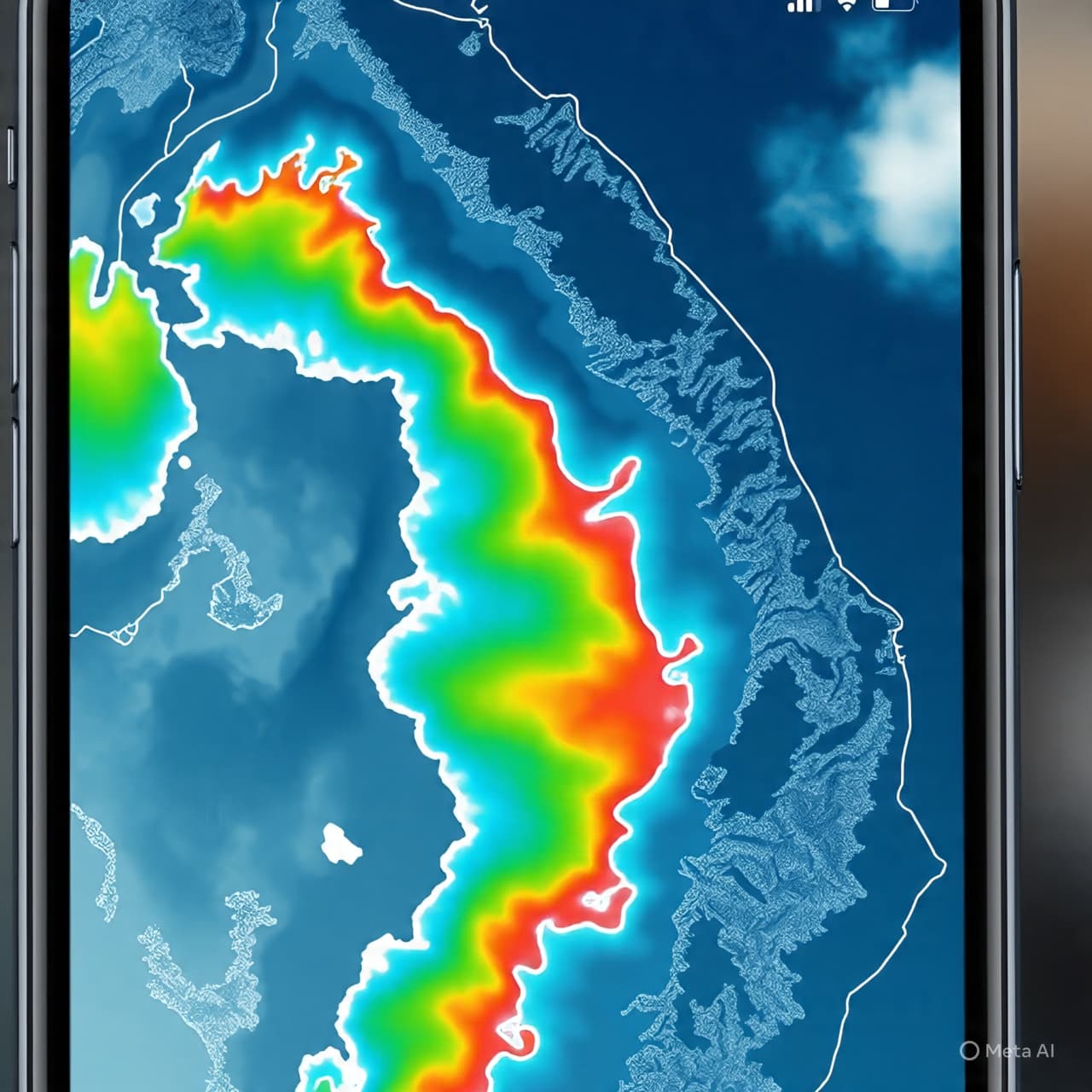
For depth and meteorological insight, emphasizes animated radar maps and storm tracking. It leans into real-time visualization, making it ideal for users who want to see weather systems unfold rather than simply read numerical forecasts. The experience feels dynamic, almost cinematic, while remaining informative.
And then there is , long respected for its community-powered weather station network. It blends hyperlocal reporting with detailed hourly and long-range forecasts. For users who value neighborhood-level nuance, this approach offers a sense of grounded specificity.
Choosing among them ultimately depends on temperament. Some users want minimal taps and calm presentation. Others prefer layered radar imagery and data-rich dashboards. In that sense, the departure of Google’s old shortcut may feel less like a loss and more like an invitation — a moment to reconsider what kind of forecast experience best suits one’s daily rhythm.
In straightforward terms, while Google Weather remains accessible through the Google app and widgets, many users are turning to third-party alternatives such as AccuWeather, Today Weather, Overdrop, MyRadar, and Weather Underground for more dedicated interfaces and expanded features.
AI Image Disclaimer
Visuals are created with AI tools and are not real photographs.
Sources
The Verge Android Authority Ars Technica CNET TechRadar
Published by Banx Network. This article is part of the Banx decentralized media programme, powered by the BXE token on the XRP Ledger.