On certain days, the streets of a city become more than routes between destinations; they turn into stages where competing visions of society meet in uneasy proximity. Voices rise, banners lift, and the presence of police lines reminds onlookers that public space can be both a forum and a fault line.
That atmosphere unfolded during a march linked to , an anti-immigration activist group whose demonstrations have long drawn controversy across the . The event drew counter-protesters, community groups, and a significant police presence, resulting in a number of arrests as authorities worked to keep rival groups apart and maintain public order.
According to police statements, officers detained several individuals for offenses including public order violations, breach of conditions imposed on the demonstration, and suspected assault. Law enforcement had established designated routes and protest zones in advance, aiming to reduce the risk of confrontation between participants and opposing demonstrators.
The march itself proceeded under close supervision, with officers forming cordons and escort lines to prevent clashes. Counter-protesters gathered nearby, voicing opposition to the group’s rhetoric and emphasizing messages of inclusivity and community solidarity. At moments, tensions rose as chants echoed across barriers, but large-scale violence was avoided.
Police emphasized that the arrests were targeted actions intended to prevent escalation. Public order policing in Britain often relies on negotiated conditions, including limits on routes, timing, and behavior, designed to balance the right to protest with the responsibility to ensure safety. When these conditions are breached, officers may intervene to prevent disorder.
The presence of Britain First continues to stir debate within British society. Critics argue that the group’s messaging fuels division and stigmatizes minority communities, while supporters frame their activism as an exercise of free speech and national identity concerns. Counter-protest movements frequently mobilize in response, asserting that public demonstrations should not become platforms for exclusionary narratives.
Civil liberties advocates note that democratic societies must navigate a delicate balance: protecting freedom of expression while preventing intimidation, hate speech, or violence. Policing such events requires rapid judgment and restraint, as authorities weigh competing rights in real time.
Local leaders called for calm and urged residents to avoid areas where demonstrations were taking place. Community organizations also appealed for dialogue and peaceful engagement, emphasizing that social cohesion depends on mutual respect even amid disagreement.
For nearby residents and business owners, the day brought road closures, transport disruptions, and heightened security measures. Yet it also served as a reminder of the enduring importance of civic participation and the responsibilities that accompany it.
As the crowds dispersed and police barriers were dismantled, the streets returned to their usual rhythm. What lingered, however, was the broader question that such demonstrations often leave behind: how societies uphold open expression while safeguarding dignity and public peace.
The arrests mark a moment in an ongoing conversation rather than a conclusion. Britain’s democratic framework continues to permit protest and counter-protest alike, while the challenge of managing tension within shared spaces remains a task renewed with each gathering.
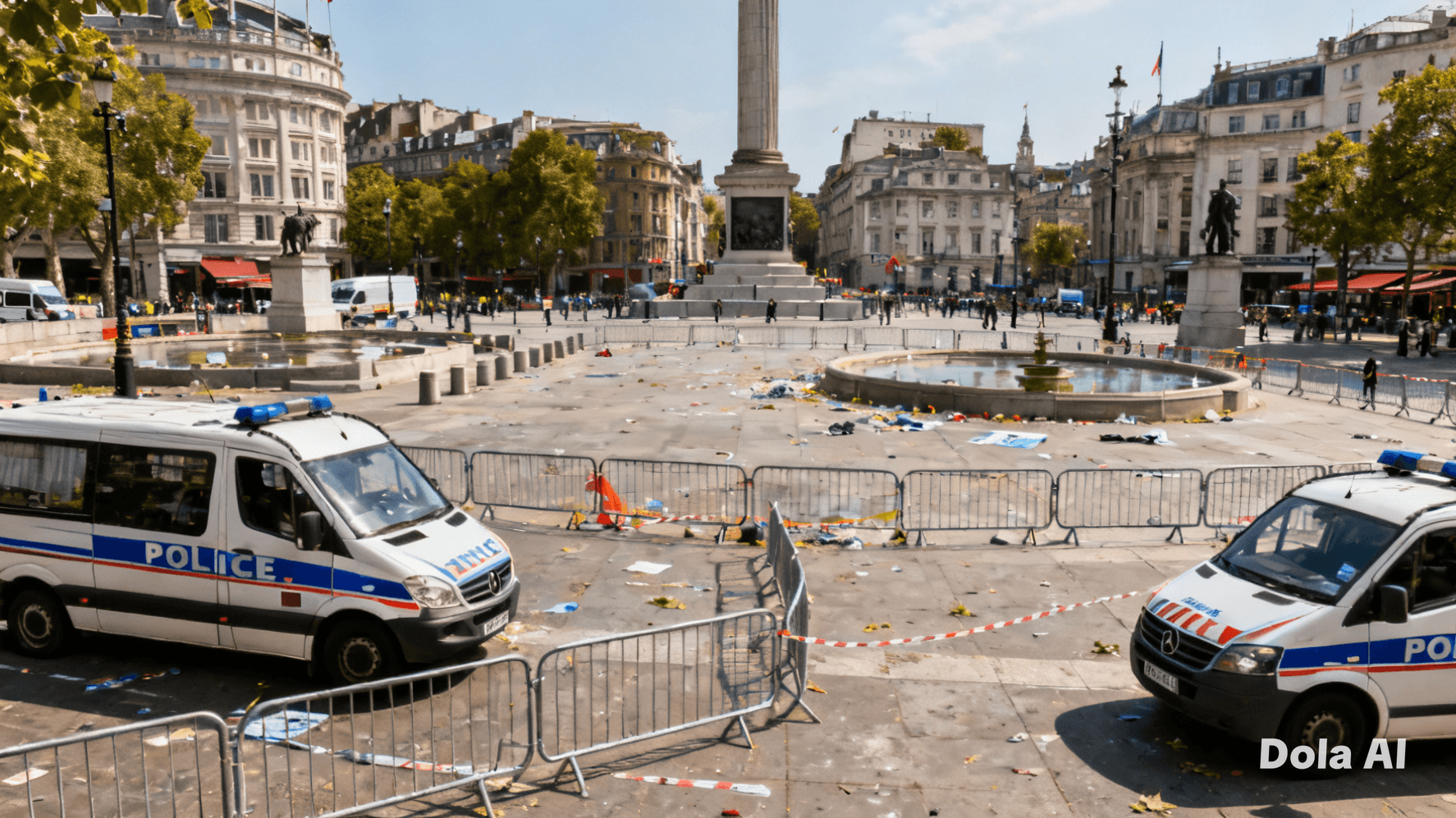
AI Image Disclaimer Images in this article are AI-generated illustrations, meant for concept only.
Sources : BBC News Reuters The Guardian Associated Press LBC News
Published by Banx Network. This article is part of the Banx decentralized media programme, powered by the BXE token on the XRP Ledger.