
Key Highlights
- Arab nations are demanding compensation for damages linked to recent regional conflicts.
- The calls for reparations reflect broader geopolitical tensions affecting infrastructure and stability.
- Diplomatic negotiations will play a crucial role in addressing these accountability claims.
In the aftermath of conflict or tension, discussions often transition from immediate actions to the pressing issue of accountability. This shift is not merely about recalling events but also about grappling with the questions of responsibility and the means for repair. Recently, several Arab nations have publicly called for compensation related to damages incurred during recent regional incidents, underscoring the significant impact of geopolitical tensions on both infrastructure and overall stability.
Claims for reparations are not a new phenomenon in international relations. They typically emerge when actions—whether direct or indirect—are perceived to have caused measurable harm. In this context, the specifics of the alleged damages vary widely, encompassing everything from disruptions to critical infrastructure to significant economic losses. Each claim adds to a larger dialogue about accountability within the region, reflecting the intricate web of relationships and responsibilities among nations.
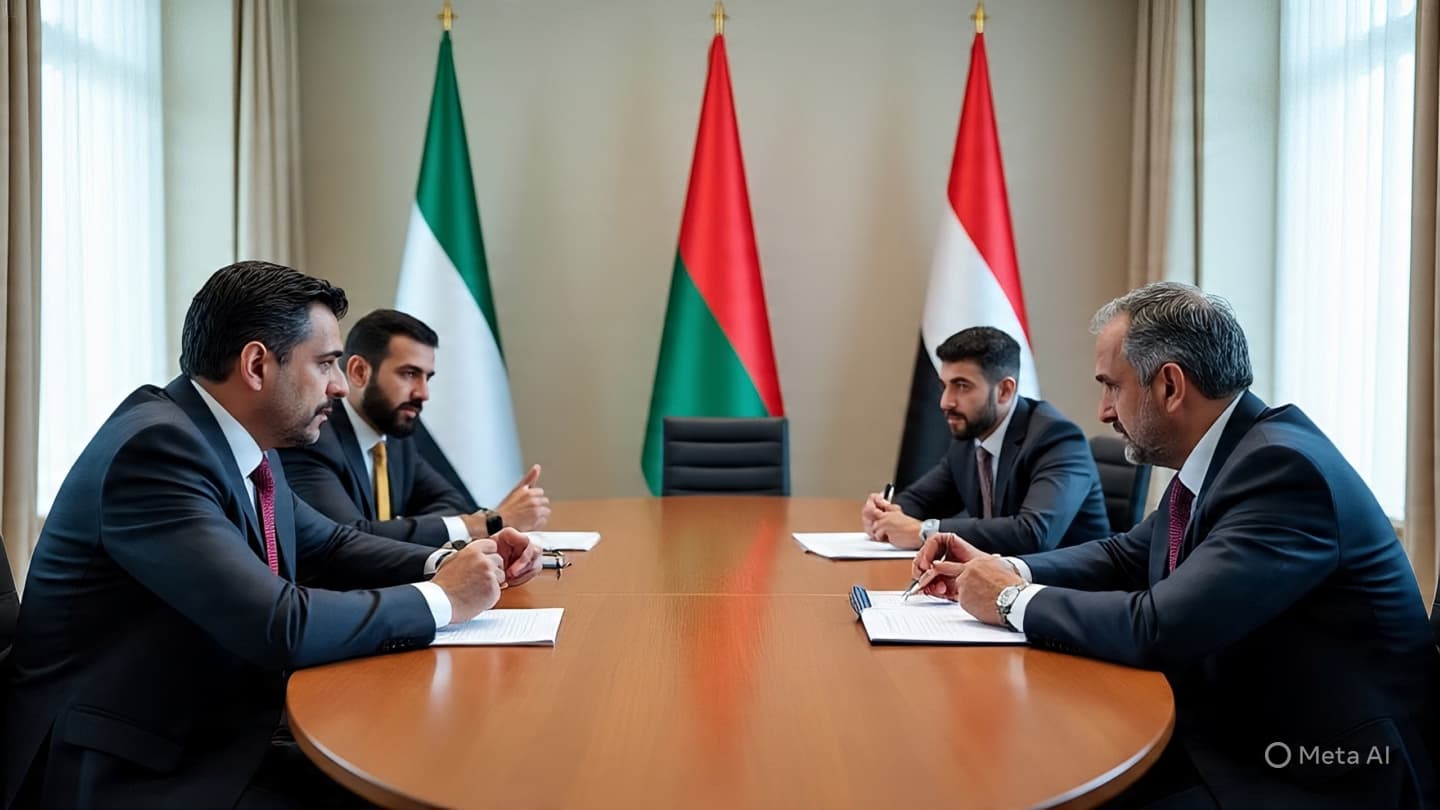
Diplomatic channels are expected to play a pivotal role in addressing these demands for compensation. Negotiations, whether they occur bilaterally or multilaterally, are essential in shaping the outcomes of such disputes. The complexity of these discussions is heightened by the interconnected nature of regional conflicts, where multiple actors and overlapping interests complicate the attribution of responsibility.
Observers note that calls for compensation serve both practical and symbolic purposes. Beyond the immediate financial recovery, these demands may also represent broader efforts to establish accountability and deter future incidents. The implications of these claims extend beyond mere reparations; they can influence diplomatic relations and regional stability.
The broader context of the region continues to shape how these discussions unfold. Factors such as stability, dialogue, and mutual understanding remain critical in navigating the challenges posed by these geopolitical tensions. As developments continue to emerge, the focus will likely remain on diplomatic engagement and the search for resolutions that address both immediate concerns and the long-term health of international relations.
As the situation evolves, the interplay between accountability and diplomatic negotiations will be closely monitored, with stakeholders keenly aware of the potential ramifications for future interactions among nations.
Published by Banx Network. This article is part of the Banx decentralized media programme, powered by the BXE token on the XRP Ledger.



